Kitchen Flooring Cost and Best Kitchen Flooring Options
Kitchen flooring cost depends on material, room size, old flooring removal, appliance moving, transitions, layout, and subfloor condition. Kitchens often require more detail work because installers need to cut around cabinets, islands, toe kicks, vents, and doorways.
Common kitchen flooring planning ranges include:
- Sheet vinyl kitchen flooring: about $2 to $7 per square foot installed
- LVP kitchen flooring: about $4 to $10 per square foot installed
- Waterproof flooring: about $4 to $12 per square foot installed
- Laminate kitchen flooring: about $3 to $9 per square foot installed, where moisture is controlled
- Tile kitchen flooring: about $8 to $20 or more per square foot installed
- Basic subfloor repair: about $2 to $7 per square foot, with higher costs for water damage or leveling
LVP for Kitchens
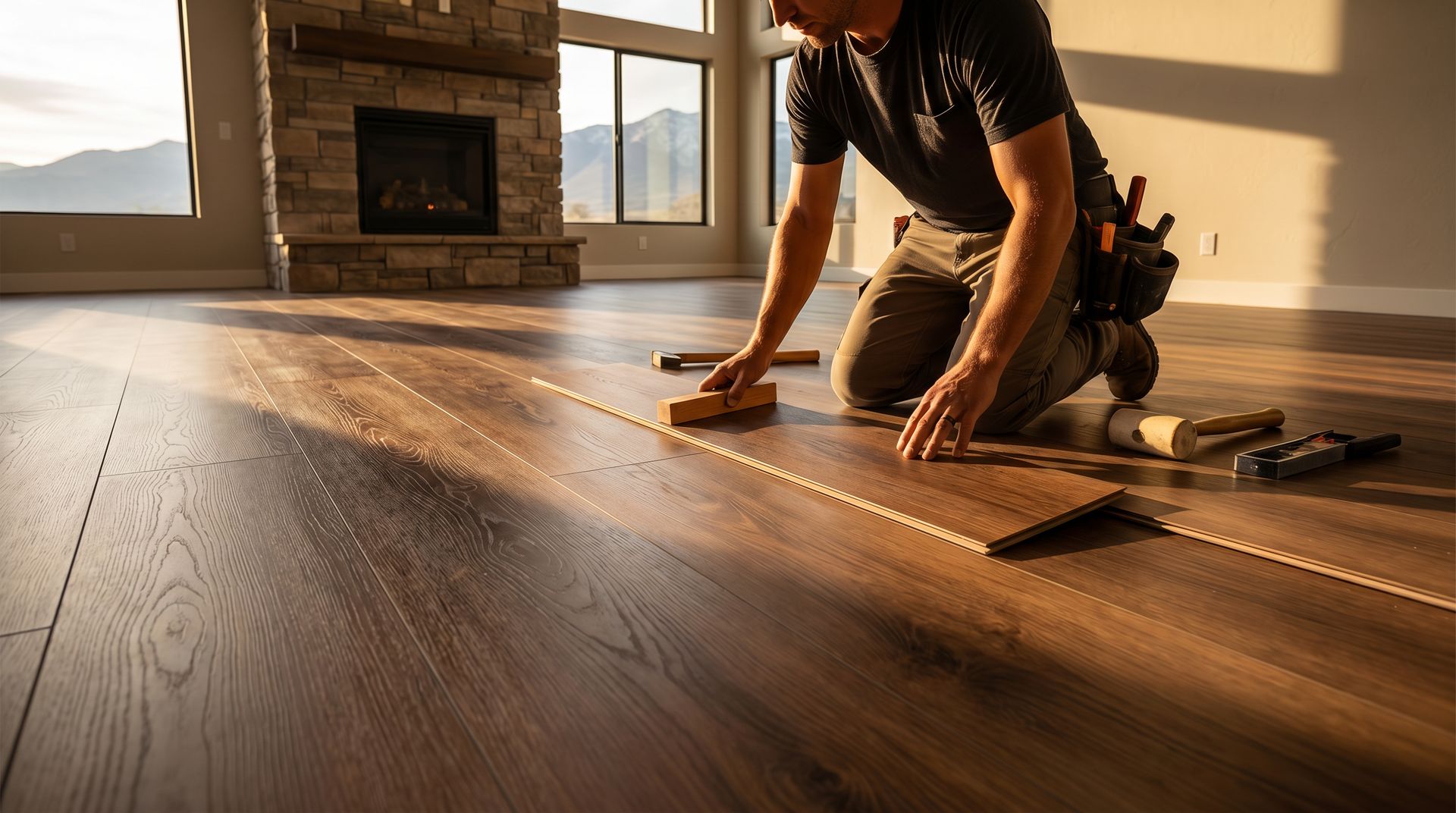
LVP is one of the most practical kitchen flooring options. It gives you a wood look, easier cleaning, good durability, and better moisture resistance than carpet or many laminate products. It is a strong fit for busy homes, rental properties, and kitchens that connect to living rooms.
Sheet Vinyl for Kitchens
Sheet vinyl is a cost conscious choice for kitchens, apartments, and rental units. It can handle moisture well and may reduce seams in smaller rooms. The subfloor needs to be smooth because bumps and old floor imperfections can show through.
Waterproof Flooring for Kitchens
Waterproof flooring can be worth the upgrade when you have pets, children, frequent spills, or a high-use kitchen. It is not a fix for active leaks, but it can make daily cleanup easier.
Laminate Flooring for Kitchens
Laminate flooring can work in dry, controlled kitchen spaces, especially if the product is moisture resistant and installed correctly. However, repeated standing water, leaks, and wet seams can cause problems. If the kitchen sees heavy moisture, LVP or waterproof flooring is usually safer.
Carpet vs Tile Cost
Carpet and tile serve different purposes.
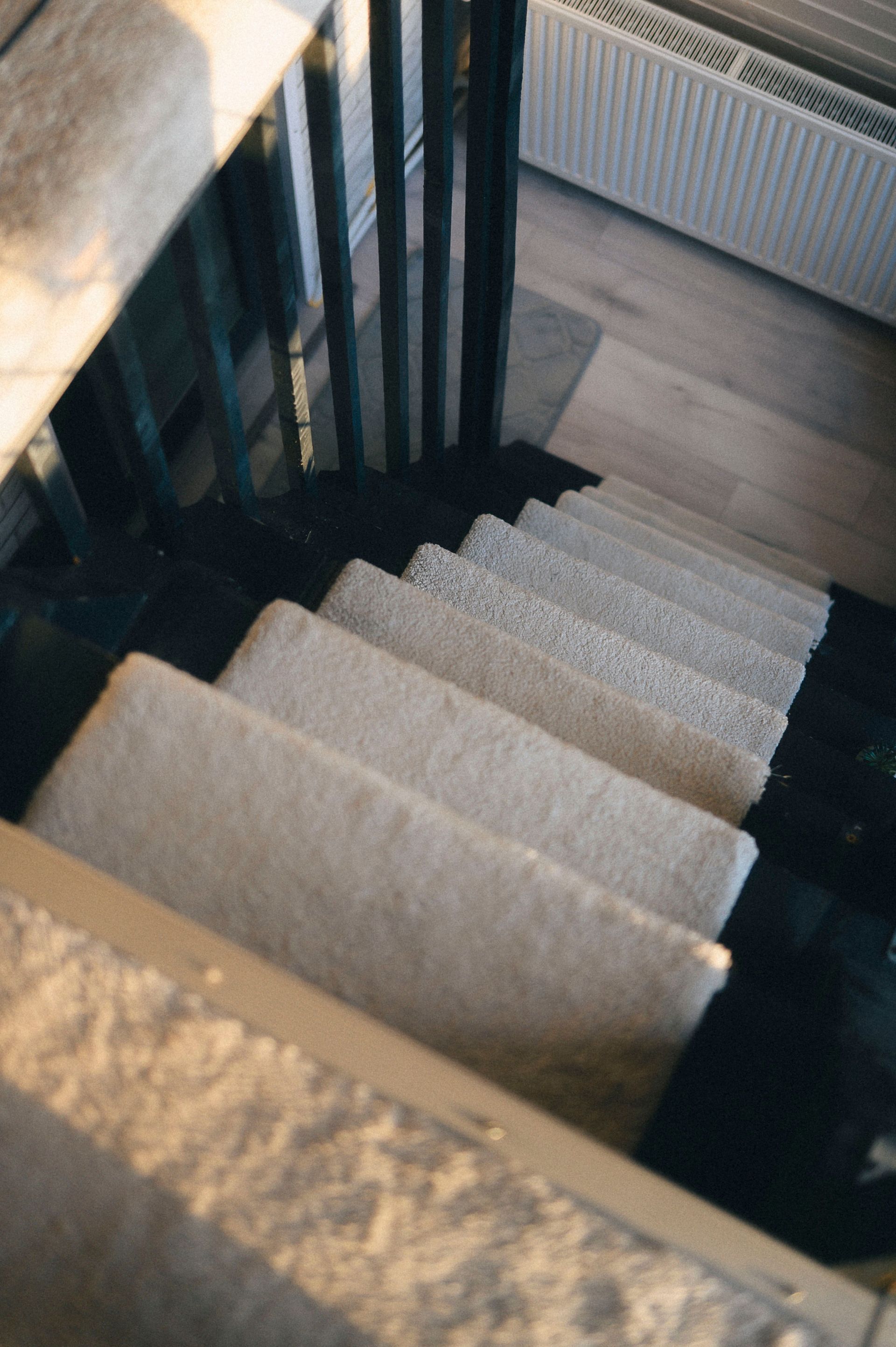
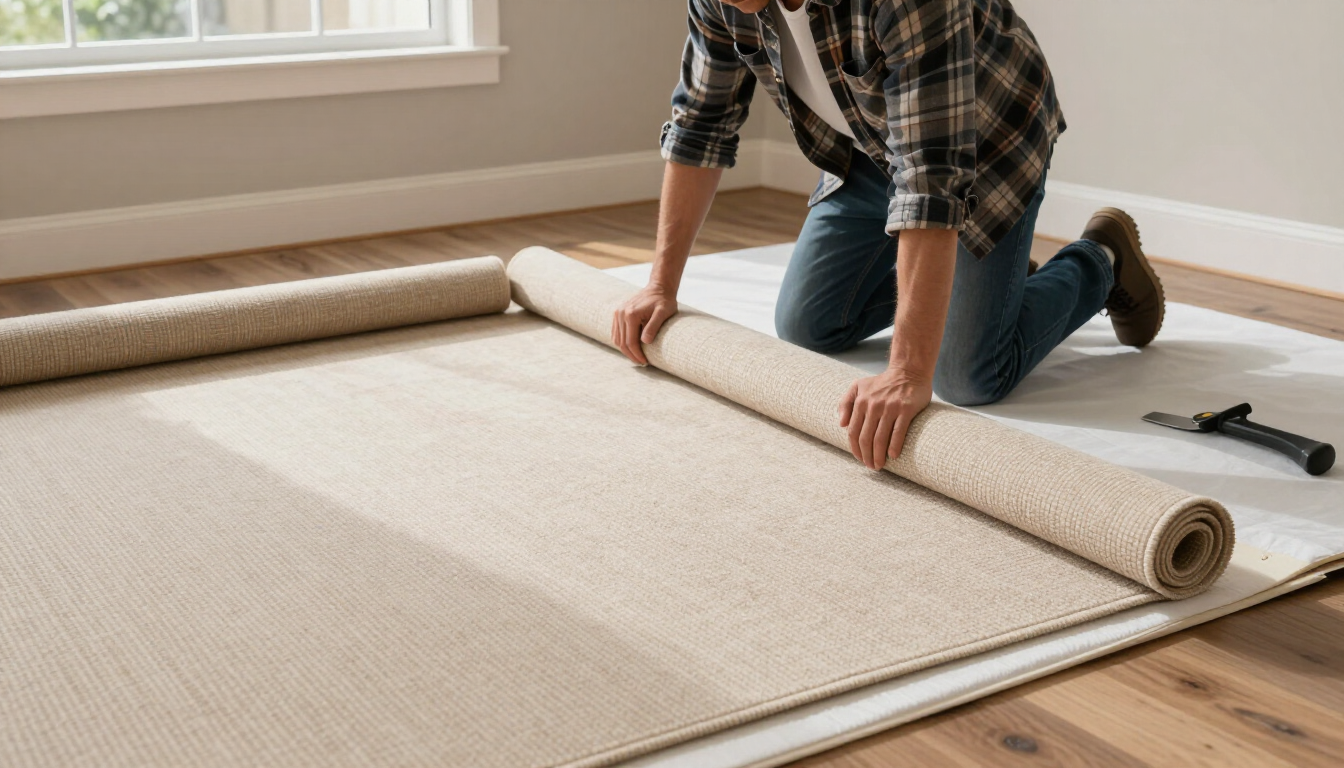
Carpet is usually lower in upfront installed cost and is best for bedrooms, stairs, upstairs rooms, and spaces where comfort matters. Carpet installation often ranges from about $3 to $12 or more per square foot installed, depending on material quality, padding, stairs, removal, and prep.
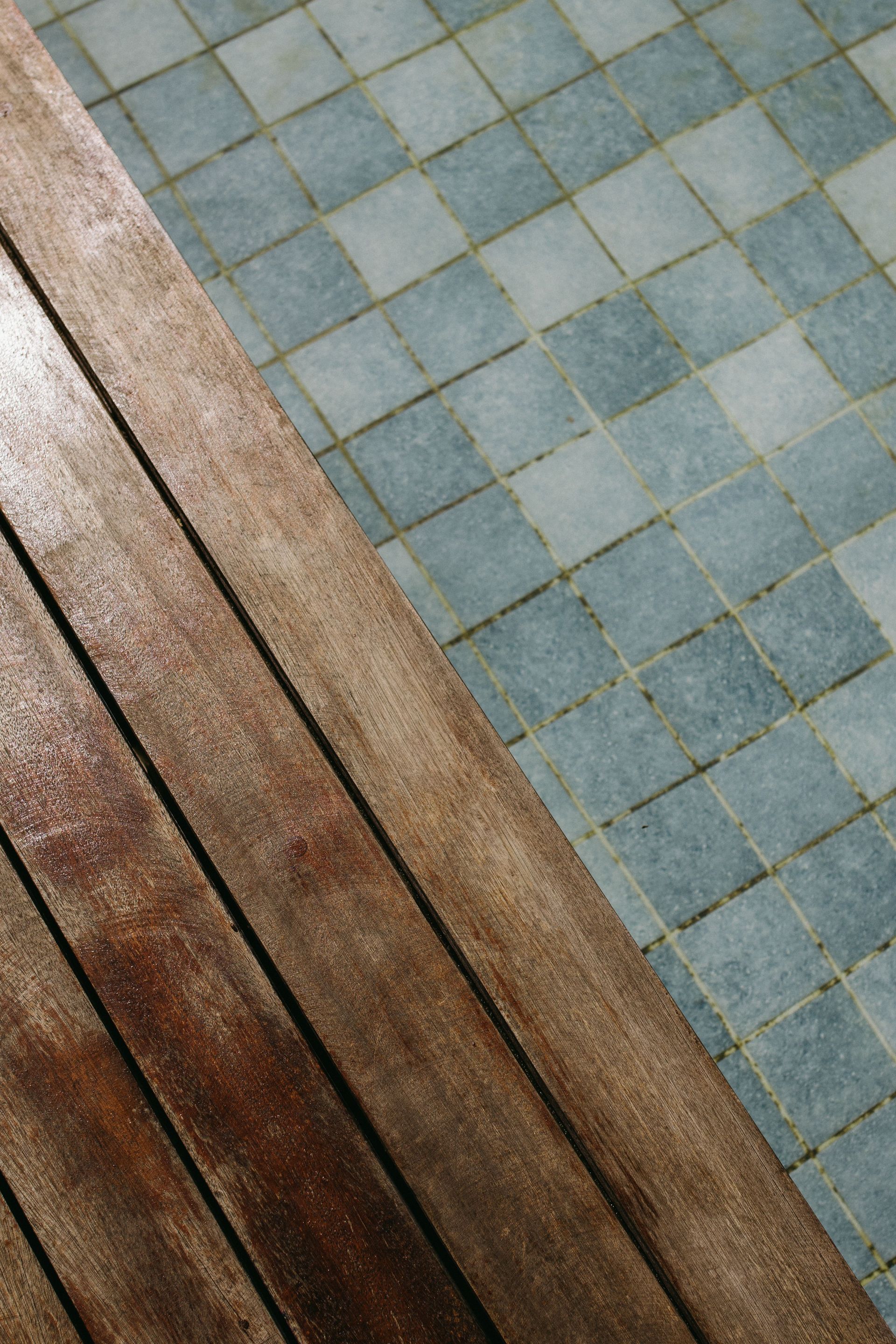
Tile is often more expensive, commonly about $8 to $20 or more per square foot installed. Tile can be very durable and moisture resistant, but it is harder underfoot, colder, and more labor intensive to install.
Choose carpet when you want:
- Comfort
- Warmth
- Sound control
- Lower upfront cost
- Bedroom or upstairs performance
Choose tile when you want:
- Strong water resistance
- Long term durability
- Kitchen or bathroom performance
- A hard surface that handles heavy use
For many Salt Lake County homes, carpet and tile both have a place. The better question is where each product belongs.
Tile vs Laminate Cost
Laminate flooring is usually more affordable than tile. Laminate often ranges from about $3 to $12 or more per square foot installed, while tile often ranges from about $8 to $20 or more per square foot installed.
Tile costs more because installation can involve backer board, mortar, grout, layout planning, cutting, leveling, and more labor. Laminate is typically faster to install in dry rooms and gives homeowners a wood look at a practical price.
Choose laminate when you want:
- Wood look
- Lower installed cost
- Faster installation
- Good performance in dry rooms
- Easier replacement than tile
Choose tile when you want:
- Moisture resistance
- High durability
- Bathroom or kitchen performance
- A harder, more permanent surface
Laminate is not usually the best choice for wet bathrooms, laundry rooms, or basement areas with moisture risk. Tile is stronger around water, but it costs more and can feel harder underfoot.
Best Flooring for Living Rooms and Family Rooms
Living rooms need flooring that fits how your household actually lives. If you have pets, kids, heavy traffic, or an open layout connected to the kitchen, LVP or waterproof flooring can be a strong choice. These products are easier to clean than carpet and often hold up well in daily use.
Laminate flooring can also work well in dry living rooms where you want a wood look at a practical price. It can feel firm underfoot, so underlayment and product quality matter.
Carpet can still make sense in lower traffic living rooms, especially where comfort and sound control are priorities. Use stain resistant carpet and quality padding if the space is used often.
Best Flooring for Bedrooms
Bedrooms are one of the best places for carpet installation. Carpet adds warmth, softness, and sound reduction. It also makes upstairs rooms feel quieter and more comfortable.
For bedrooms, consider:
- Stain resistant carpet
- Quality padding
- Neutral colors
- Medium tones that hide normal wear
- Durable carpet for rental properties
- Soft but supportive padding
LVP or laminate flooring can also work in bedrooms when easy cleaning is more important than softness. Property managers sometimes choose LVP for rental bedrooms to simplify turnover, especially in pet-friendly units.
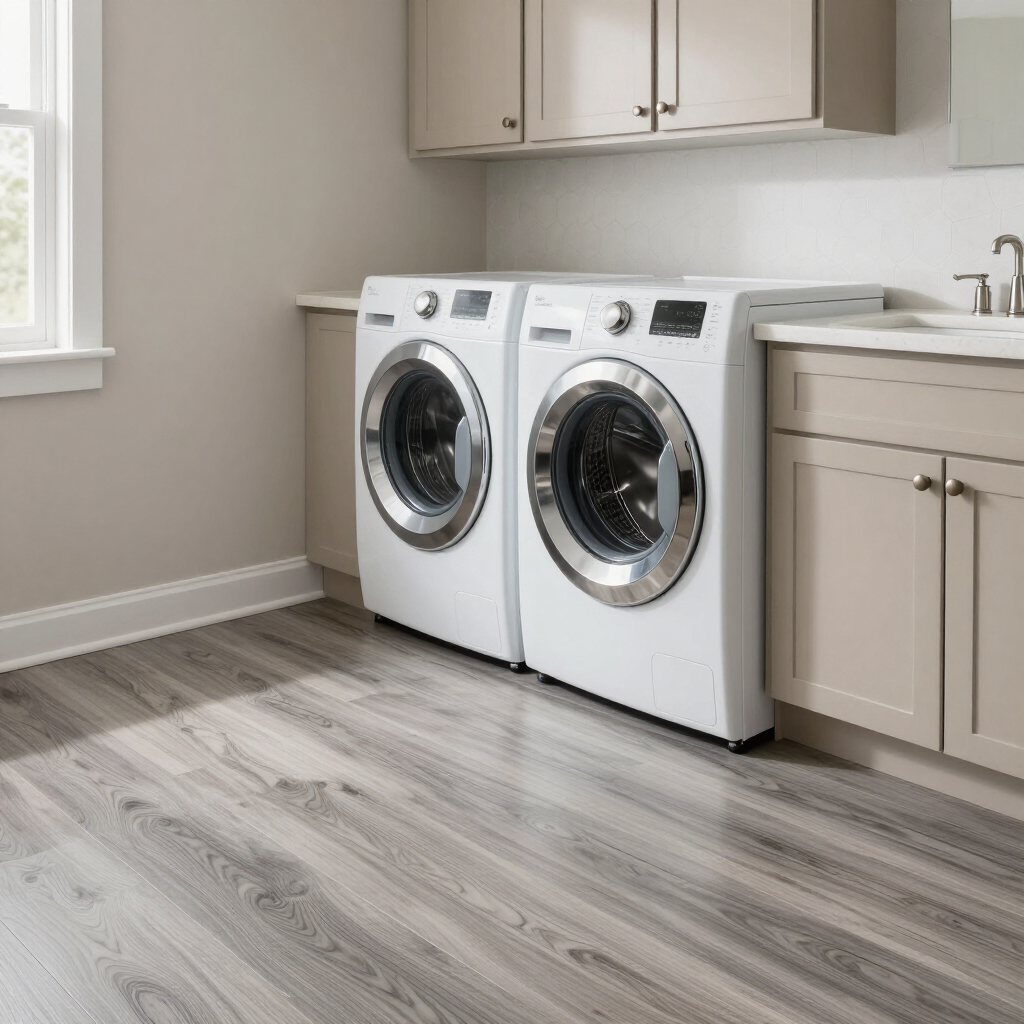
Best Flooring for Bathrooms and Laundry Rooms
Bathrooms and laundry rooms need moisture-aware flooring. Carpet should not be used in these spaces.
Strong options include:
- Waterproof flooring
- Sheet vinyl
- Tile
- Moisture rated LVP, depending on product requirements
Sheet vinyl can be a practical budget option because it offers water resistance and fewer seams in small rooms. Waterproof flooring can offer a more upgraded look and better durability for busy homes.
Before installation, the subfloor should be checked for water staining, soft spots, leaks, odor, and uneven areas. A new floor over hidden moisture damage can fail early.
Basement Floor Ideas
Basement flooring should always start with moisture. Before choosing carpet, LVP, laminate flooring, sheet vinyl, or waterproof flooring, confirm that the basement is dry and that there are no active water problems.
Good basement floor ideas include:
- LVP for finished family rooms
- Waterproof flooring for moisture-aware spaces
- Sheet vinyl for laundry and utility areas
- Carpet for dry finished basements where comfort matters
- Area rugs over hard surface flooring for warmth
- Subfloor repair or concrete leveling before installation
Avoid installing laminate flooring in basements with moisture concerns. Also avoid carpet if the space has water intrusion, musty odor, or damp concrete.
Residential Flooring Solutions often sees basement projects where the visible floor is only part of the issue. The real concern may be uneven concrete, old adhesive, moisture staining, or a soft area near a previous leak. Fixing that before installation helps protect the finished floor.
Best Flooring for Entryways, Hallways, and Mudrooms
Entryways and mudrooms in Utah deal with snow, salt, dirt, mud, and daily traffic. Carpet is usually not the best choice in these areas because it holds moisture and stains faster.
Better options include:
- LVP
- Waterproof flooring
- Sheet vinyl
- Tile
For hallways, choose flooring based on traffic. LVP works well for busy homes and rentals. Carpet can work in upstairs hallways when sound control matters, but it needs durable material and dense padding.
Best Flooring for Rental Properties
For rental properties in West Jordan, South Jordan, and greater Salt Lake County, durability and turnover speed matter.
A practical rental flooring plan may look like this:
- Carpet in bedrooms
- LVP in living rooms and hallways
- Sheet vinyl in bathrooms and laundry rooms
- Waterproof flooring in basements, entryways, and pet-friendly spaces
- Subfloor repair before any new flooring goes down
Property managers should standardize colors and products when possible. This makes future repairs, replacements, and ordering easier.
The goal is not always the cheapest flooring. The goal is the lowest long term cost with fewer complaints, faster turnover, and better performance.
Subfloor Repair Before Flooring Installation
Subfloor repair is one of the most important parts of any flooring project. Carpet, LVP, laminate flooring, sheet vinyl, waterproof flooring, and tile all need the right base.
You may need subfloor repair if you notice:
- Soft spots
- Squeaks
- Dips
- Water stains
- Pet odor
- Uneven concrete
- Loose panels
- Raised seams
- Floor movement
- Cracked concrete
Skipping prep can cause seams to show, locking systems to fail, carpet to wear unevenly, tile to crack, or odor to return. Proper prep protects the finished floor and helps reduce callbacks.
Final Thoughts
Kitchen flooring cost matters, but every room needs its own flooring strategy. Carpet is usually best for bedrooms and comfort-focused spaces. LVP works well in kitchens, living areas, hallways, and rentals. Laminate flooring is a good fit for dry rooms where you want a wood look at a practical price. Sheet vinyl and waterproof flooring are strong choices for bathrooms, laundry rooms, basements, and moisture-prone areas.
For homeowners and property managers in West Jordan, South Jordan, and greater Salt Lake County, Residential Flooring Solutions can help you compare flooring types, review costs, inspect the subfloor, and choose the right material for each room.
Request a free estimate today for carpet installation, LVP installation, laminate flooring, sheet vinyl, waterproof flooring, or subfloor repair. Get clear pricing, proper prep, quality materials, and timely installation from a local flooring contractor that understands Utah homes and rental properties.