There Is No Simple Carpet Replacement Timeline
Many renters and property managers ask the same question: how often does apartment carpet have to be replaced?
There is no one-size-fits-all answer. A landlord should not assume that every carpet must be replaced at the same age, and a tenant should not assume that worn carpet automatically creates a right to replacement. Condition matters.
A carpet may need replacement sooner when it has:
- Persistent pet odor
- Major stains that return after cleaning
- Burns, tears, or holes
- Loose seams or wrinkles
- Exposed tack strip
- Excessive matting
- Water damage
- Mold or mildew concerns
- Unsafe ripples or trip hazards
- Damage below the carpet, including padding or subfloor problems
A lightly used bedroom carpet can last longer than carpet on stairs, in hallways, or in a pet-friendly living room. That is why a practical inspection matters more than a blanket rule.
Normal Wear and Tear vs Damage
The difference between ordinary wear and tenant-caused damage is one of the most important parts of apartment carpet replacement.
Examples of Normal Wear
Normal wear may include gradual aging that happens through reasonable use of the property. Examples may include:
- General traffic matting
- Minor flattening in walk paths
- Gradual fading from sunlight
- Light wear in hallways
- Carpet that has reached the end of its useful life
- Minor changes in texture over time
This type of wear is different from damage caused by neglect, misuse, or an unaddressed issue.
Examples That May Go Beyond Normal Wear
The facts matter, but more serious issues can include:
- Burn marks
- Paint spills
- Large stains
- Torn carpet
- Holes
- Severe pet urine contamination
- Strong odor that remains after treatment
- Water damage caused by an unreported leak
- Excessive soil that cannot be corrected through standard cleaning
- Loose or torn carpet creating a safety issue
For both landlords and tenants, the goal should be a fair condition assessment. Carpet age, original condition, documented maintenance, and remaining useful life all matter when discussing any replacement cost.
Why Documentation Matters
Good records make flooring decisions easier and more defensible.
For landlords and property managers, document the unit before move-in and again at move-out. Keep clear photos, inspection notes, cleaning records, and invoices. Note the carpet age when it is known, along with the product type, color, padding, and prior repairs.
For tenants, take dated photos or video at move-in. Report existing stains, odors, loose carpet, soft spots, leaks, or damaged transitions in writing. Keep copies of maintenance requests and any communication about flooring problems.
This documentation does not decide every dispute by itself, but it creates a clearer record of condition and timing.
When Carpet Cleaning Is Enough
Carpet cleaning can be the right choice when the carpet still has life left.
Cleaning may make sense when:
- The carpet is still relatively new
- Stains are surface level
- The carpet fibers still have resilience
- The padding is dry and supportive
- There is no lasting odor
- The carpet lies flat
- The room has low to moderate traffic
- The unit needs a quick turnover refresh
Professional carpet cleaning often costs less than replacement. A typical planning range is about
$0.20 to $0.40 per square foot, or roughly
$40 to $90 per room, depending on room size, soil level, stains, stairs, and odor treatment.
However, repeated cleaning is not always the best value. If stains return, odor remains, or the carpet still looks worn after cleaning, replacement may be the more practical decision.
When Apartment Carpet Should Be Replaced
Persistent Odor and Pet Damage
Pet urine can soak through carpet and padding into the subfloor. Surface cleaning may improve the smell for a short time, but the odor can return as the carpet dries.
Residential Flooring Solutions often finds this during rental turnover projects. Old carpet may appear worn but manageable until it is removed. Then pet stains, odor, or damaged padding become visible underneath. Replacing the carpet without addressing the padding or subfloor can lead to the same problem returning through the new flooring.
Loose, Torn, or Unsafe Carpet
Loose carpet is not only an appearance issue. Ripples, wrinkles, torn edges, exposed tack strips, and loose transitions can create a trip risk. Some newer carpet can be re-stretched, but old or damaged carpet may need full replacement.
Carpet at the End of Its Useful Life
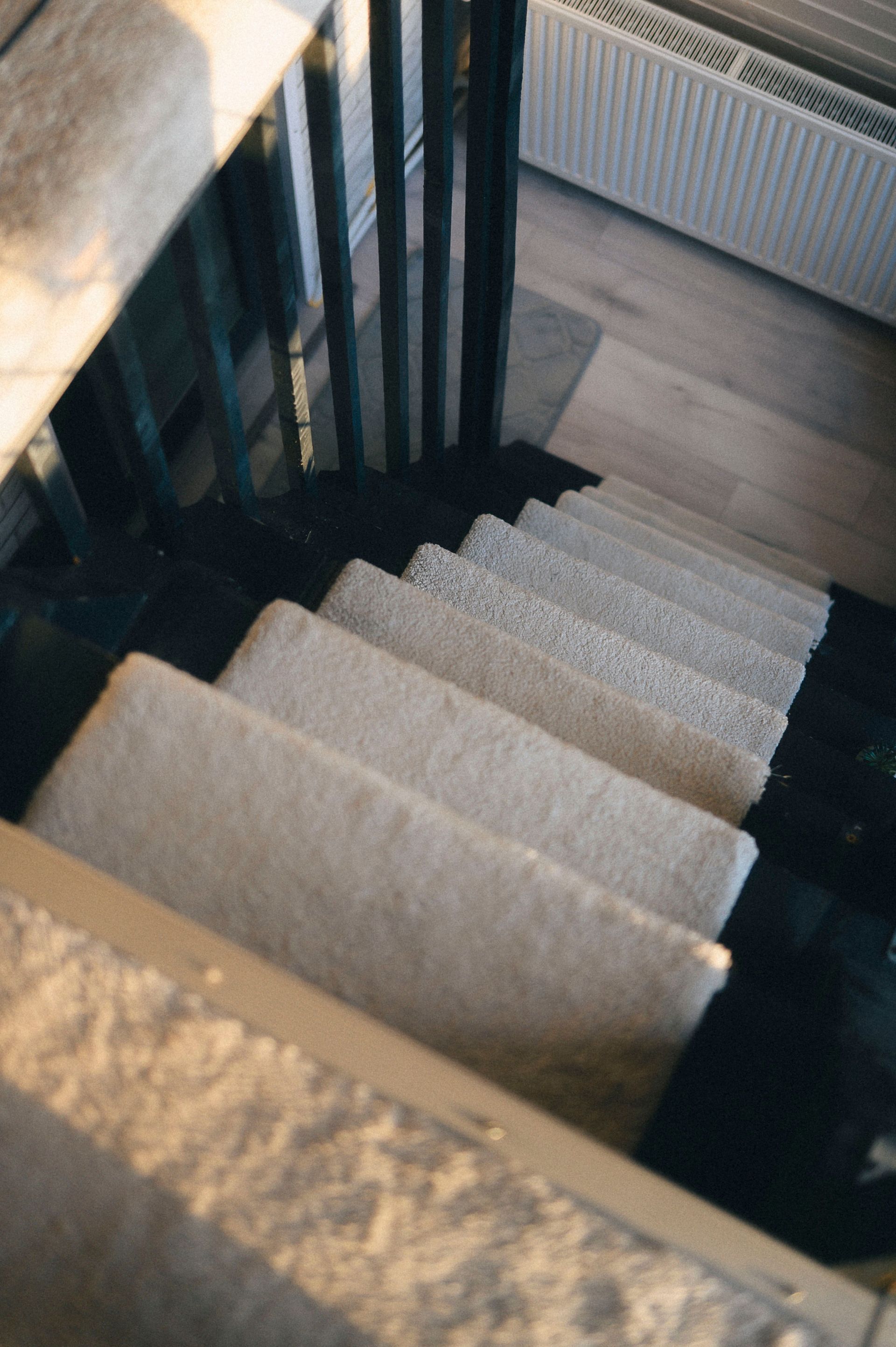
Carpet naturally wears down. If it is heavily matted, permanently stained, thin, or visibly worn in traffic lanes, replacement may be the most cost-effective choice. This is especially true in rental stairs, hallways, and living areas.
Carpet Padding Is Part of the Decision
Carpet padding is easy to overlook because you do not see it after installation. But old padding can hold odor, moisture, stains, and years of compressed traffic.
New carpet should usually be installed with new padding when the old pad is:
- Stained
- Wet
- Compressed
- Lumpy
- Holding odor
- Damaged by pets
- Too thin for the new carpet
- No longer suitable for the room
Basic carpet padding often ranges from about
$0.56 to $0.92 per square foot. Mid-range padding commonly ranges from about
$0.70 to $1.35 per square foot, while premium or moisture barrier padding may cost
$1.43 to $2.13 or more per square foot.
Moisture barrier padding can be useful in pet-friendly units and bedrooms, but it does not solve an active leak, flooding issue, or damaged subfloor.
Subfloor Repair Before Carpet Installation
New carpet is only as good as the surface underneath it. Carpet and padding can soften the feel of a floor, but they cannot repair structural weakness.
You may need
subfloor repair if you notice:
- Soft spots
- Squeaks
- Dips
- Loose panels
- Musty odor
- Pet stains below old carpet
- Water damage
- Uneven flooring
- Spongy areas underfoot
- Cracked or uneven concrete
Turnover is the best time to identify these problems because the old carpet and padding are already being removed. Fixing the base before new flooring goes down helps prevent odor, uneven wear, early carpet failure, and tenant complaints.
Common subfloor repair may range from about
$2 to $7 per square foot for basic work. More serious water damage, odor treatment, panel replacement, or concrete correction can add cost.
Carpet vs LVP Installation for Apartments
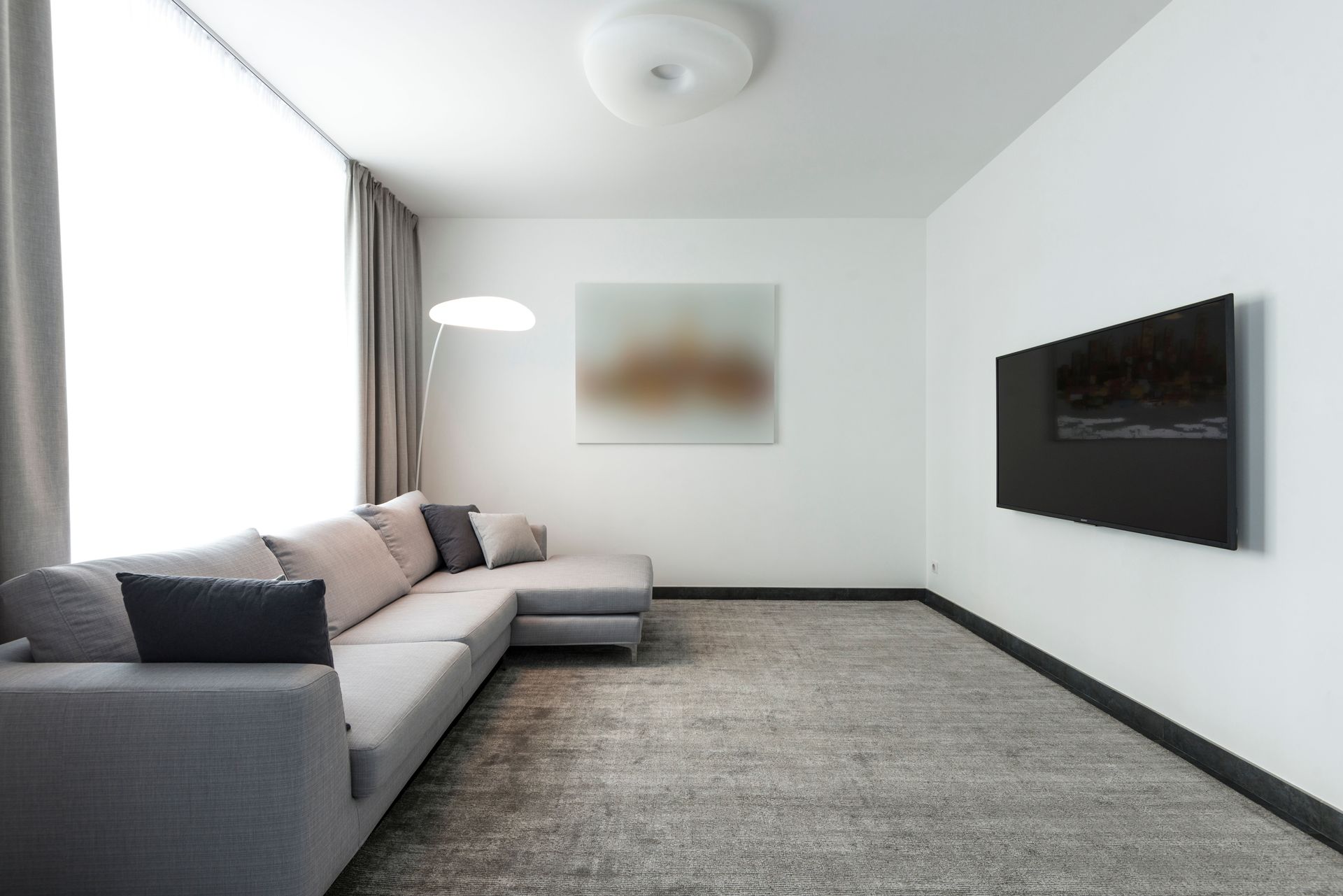
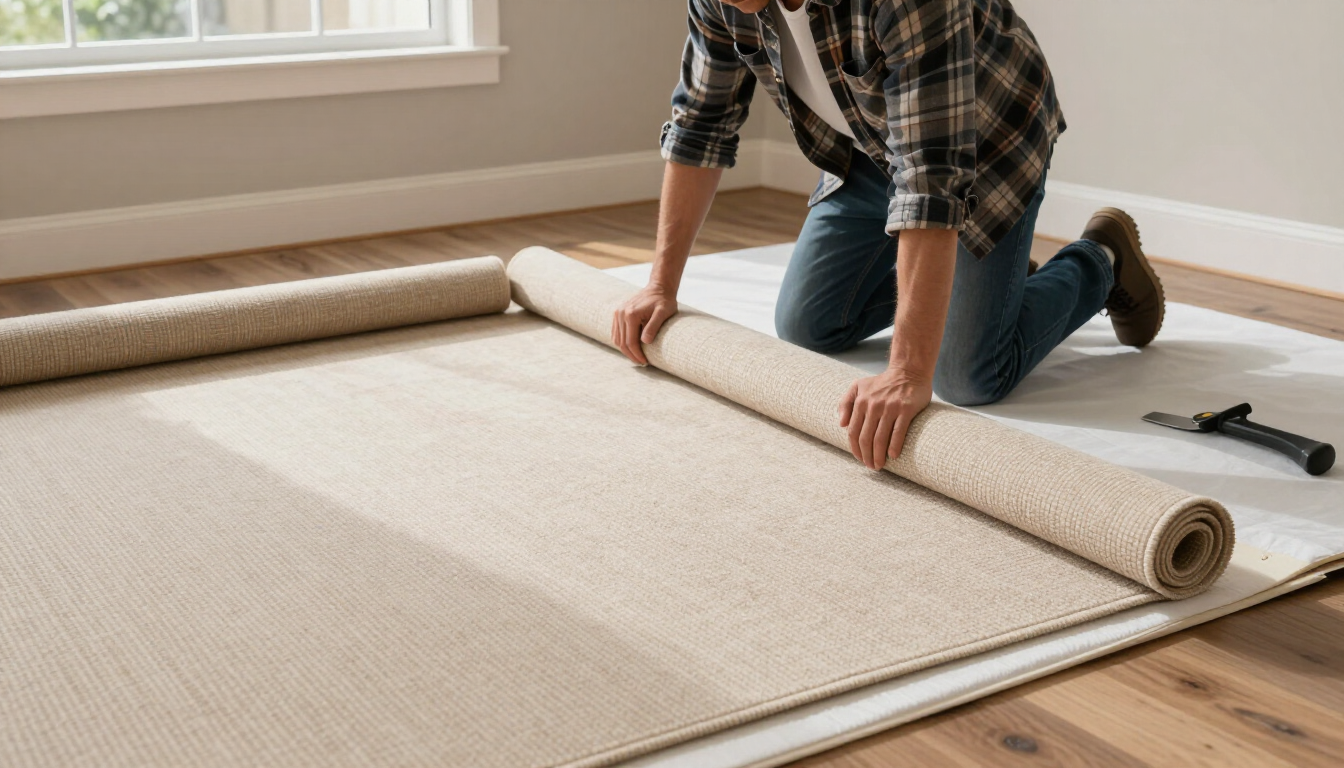
Carpet remains a strong option for bedrooms, upstairs units, and spaces where comfort and sound control matter.
Carpet installation can make a bedroom feel warmer, quieter, and more move-in ready.
However,
LVP and laminate flooring may be a better choice in certain areas.
Choose Carpet for:
- Bedrooms
- Upstairs living spaces
- Stairs
- Comfort-focused rooms
- Lower-traffic units
- Areas where sound control matters
Choose LVP Installation for:
- Entryways
- Living rooms
- Hallways
- Pet-friendly units
- High-turnover rentals
- Basements
- High-traffic areas
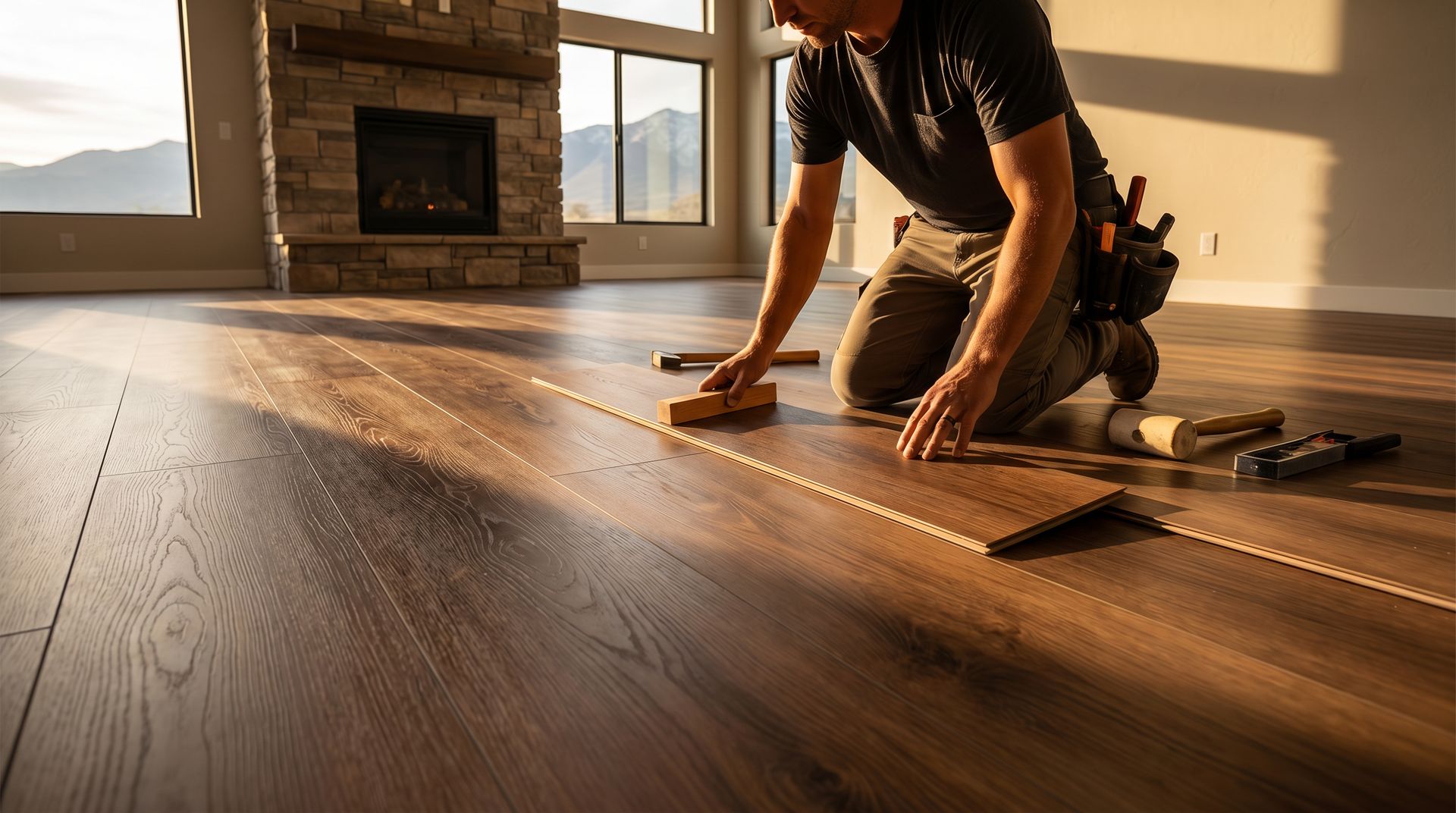
LVP installation often ranges from about
$3.45 to $10.50 per square foot installed, depending on product quality, layout, transitions, and floor prep. While the upfront cost may be higher than budget carpet, LVP can reduce repeated cleaning and replacement costs in common areas.
When Sheet Vinyl and Waterproof Flooring Make More Sense
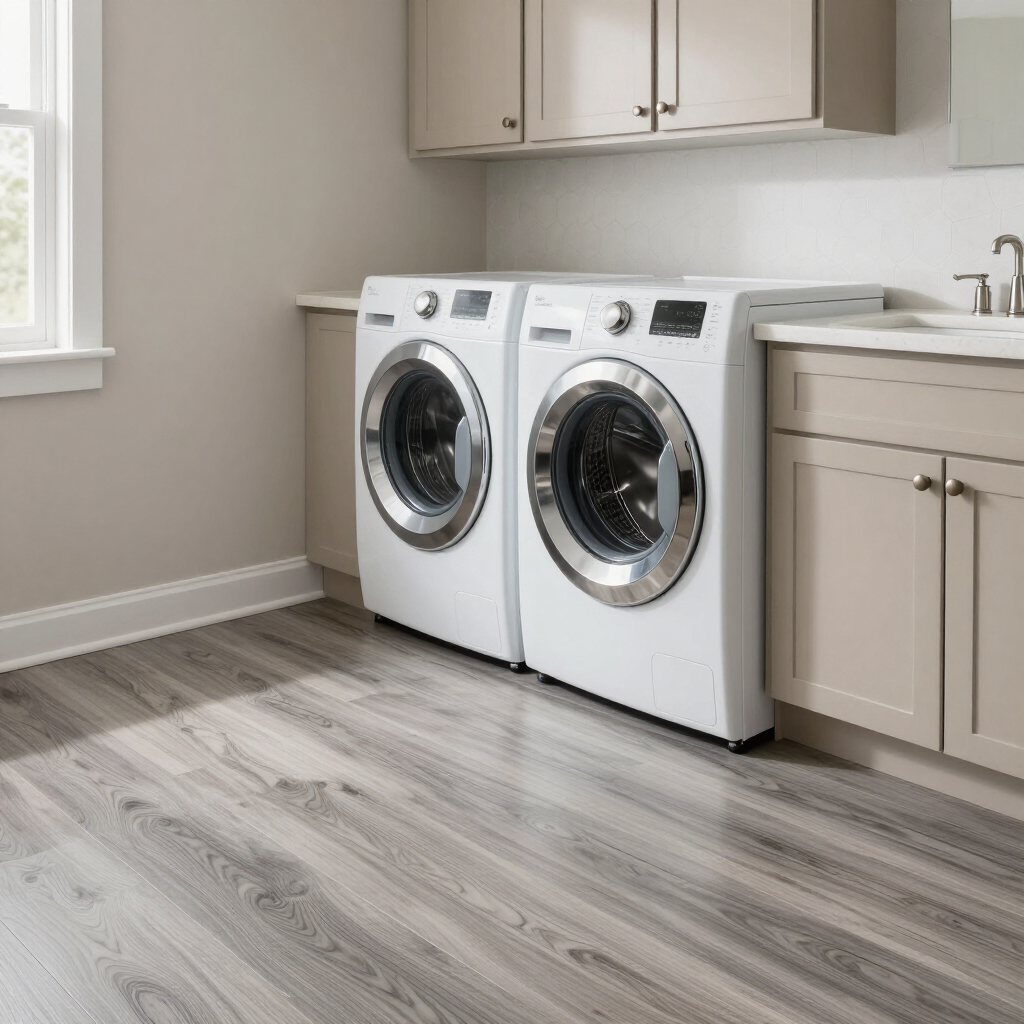
Sheet vinyl is a practical option for bathrooms, laundry rooms, kitchens, and utility spaces. It offers water resistance at a cost-conscious price point, but it needs a smooth subfloor because bumps and seams can show through.
Waterproof flooring is a strong option for pet-friendly units, basements, bathrooms, laundry rooms, entryways, and spill-prone spaces. It is easier to clean than carpet, but it still needs a dry, stable, properly prepared base.
Laminate flooring can work well in dry bedrooms, offices, and low-moisture living spaces. It is less suited for wet rooms, repeated spills, or active moisture concerns.
Apartment Flooring Cost Planning
A complete flooring estimate should show what is included. Material-only pricing is not the same as installed pricing.
Typical planning ranges include:
- Budget carpet installed:
$3 to $5 per square foot
- Mid-range carpet installed:
$5 to $8 per square foot
- Premium carpet installed:
$8 to $12 or more per square foot
- Laminate flooring installation:
$3 to $9 per square foot
- Sheet vinyl installation:
$2 to $7 per square foot
- Waterproof flooring installation:
$4 to $12 per square foot
- Old flooring removal and disposal:
$1 to $2.50 per square foot
Stairs, transitions, furniture moving, occupied units, subfloor repair, and timeline requirements can affect the final estimate. A reliable flooring contractor should explain those variables before the work starts.
Practical Best Practices for Property Managers
To control cost without sacrificing quality:
- Use carpet in bedrooms and sound-sensitive areas
- Use LVP in high-traffic living spaces
- Use sheet vinyl or waterproof flooring in wet rooms
- Standardize colors and products across units when possible
- Keep flooring records for each unit
- Replace damaged padding during carpet replacement
- Inspect the subfloor during turnover
- Address leaks and pet damage early
- Compare full installed estimates, not just material prices
This approach helps reduce avoidable callbacks and makes future replacements easier to plan.
Final Thoughts
Apartment carpet replacement is not just a cosmetic decision. It involves property condition, cleaning, odor, padding, subfloor support, tenant comfort, and long-term cost.
For property managers and homeowners in West Jordan, South Jordan, and the greater Salt Lake County area, the right flooring plan often combines carpet where comfort matters and durable hard-surface flooring where traffic, pets, and moisture create more risk.
Residential Flooring Solutions can help you evaluate carpet condition, choose the right replacement product, address hidden subfloor concerns, and complete the work on schedule.
Request a
free estimate today for carpet installation, LVP installation, laminate flooring, sheet vinyl, waterproof flooring, or subfloor repair. Get clear pricing, proper prep, durable materials, and timely installation for your rental property or home.