What Is a Good Carpet Density? | Why Is Carpet Density Important?
TL;DR
- What is a good carpet density? A good carpet density depends on the room, but many residential carpets fall around 3,000 to 5,000 density rating for general use. Higher traffic areas often need a denser carpet or a different flooring option.
- Why is carpet density important? Carpet density helps show how tightly the carpet fibers are packed together. Tighter construction can help carpet resist crushing, matting, and traffic wear.
- Is carpet density the same as face weight? No. Face weight measures how much fiber is in the carpet surface. Density shows how tightly that fiber is packed based on face weight and pile height.
- Is higher carpet density always better? Not always. Higher density can improve durability, but fiber type, twist, pile height, carpet padding, subfloor prep, and installation quality also matter.
- What carpet density is best for stairs? Stairs need durable carpet with tighter construction, lower pile height, strong twist, firm padding, and professional installation.
- What carpet density is best for rental properties? Rental bedrooms may use durable carpet, but LVP installation is often better for living rooms, hallways, entryways, pet areas, and high-turnover spaces.
- What matters besides carpet density? Carpet fiber, face weight, pile height, twist, padding, moisture exposure, subfloor condition, and professional carpet installation all affect performance.
- When should you choose LVP instead of carpet? Choose LVP, sheet vinyl, or waterproof flooring when moisture, pets, spills, traffic, rental turnover, or easier cleaning matter more than softness.
- Can dense carpet still fail? Yes. Dense carpet can still fail if it is installed over bad padding, an uneven subfloor, moisture damage, pet odor, weak seams, or poor stretch.
If you are asking what is a good carpet density, you are already asking one of the better questions before buying new carpet. In West Jordan, South Jordan, and greater Salt Lake County, carpet has to deal with daily foot traffic, kids, pets, stairs, rental turnover, snow, grit, and Utah weather being tracked in from outside. Carpet density helps you understand how tightly the carpet fibers are packed together, but it should never be the only number you use to choose flooring.
Residential Flooring Solutions helps homeowners and property managers compare carpet installation, LVP and laminate flooring, and subfloor repair before installation begins. The right choice depends on the room, the traffic level, the flooring material, the padding, the base underneath, and the long-term goal for the property.
What Does Carpet Density Mean?
Carpet density refers to how closely the carpet fibers are packed together in the carpet backing. A denser carpet has more fiber packed into the same amount of space. That tighter construction can help the carpet resist crushing and wear, especially in busy rooms.
A simple way to understand density is to bend a carpet sample backward. If you can easily see the backing, the carpet is likely less dense. If the fibers stay packed together and the backing is harder to see, the carpet is usually denser.
This does not mean every dense carpet is automatically the best carpet. It means density gives you useful information. You still need to compare fiber type, twist, pile height, carpet padding, room use, and installation quality.
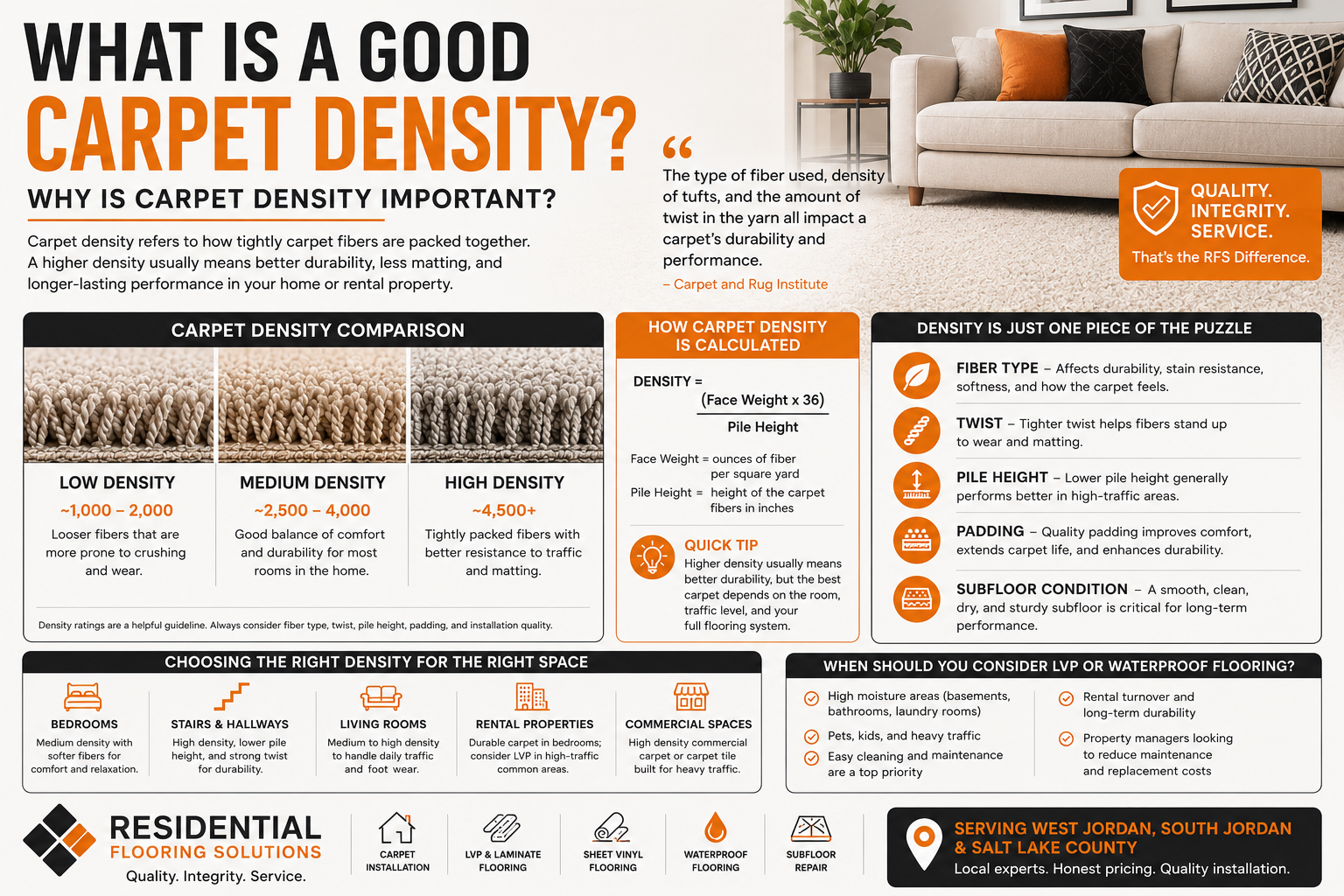
The Carpet and Rug Institute explains that cut pile carpet gets durability from multiple factors: “the type of fiber used, density of tufts, and the amount of twist in the yarn.” That is the right way to think about carpet. Density matters, but it is part of a full flooring system.
Why Is Carpet Density Important?
Carpet density is important because it affects how the carpet handles pressure. Every step pushes down on the carpet fibers. Over time, low-density carpet can flatten, mat down, and show traffic lanes faster than a tighter carpet.
This matters most in spaces that get repeated use. Stairs, hallways, living rooms, rental bedrooms, apartment units, and commercial offices all put more stress on carpet than a guest bedroom. If you choose a soft, loose, tall carpet for a high-traffic area, it may feel nice at first but wear poorly over time.
For a homeowner, that can mean the carpet looks older than it is. For a property manager, that can mean faster replacement cycles and more turnover cost. For a commercial space, that can mean a floor that looks worn in walk paths while the rest of the room still looks fine.
How Is Carpet Density Calculated?
The common carpet density formula is:
Carpet density = face weight x 36 divided by pile height
Face weight is the amount of carpet fiber in the surface, usually measured in ounces per square yard. Pile height is the height of the carpet fibers, usually measured in inches. Flooring guides commonly use this formula to compare density between carpets with different face weights and pile heights.
Here is the practical meaning. A 50-ounce carpet with a tall, loose pile may not be as dense as a 40-ounce carpet with a shorter, tighter pile. That is why face weight alone can be misleading.
If two carpets have the same face weight, the shorter pile will usually have the higher density. That tighter build often performs better in high-traffic rooms.
What Is a Good Carpet Density?
A good carpet density depends on where the carpet is being installed. Many general residential carpets fall around a 3,000 to 5,000 density rating for normal use. Lower-traffic bedrooms may not need the same density as stairs, hallways, rental units, or commercial spaces.
As a practical guide:
A lower-density carpet may be acceptable in a guest bedroom, light-use office, or budget-focused room where traffic is limited.
A mid-density carpet can work well in bedrooms, family spaces, and many standard residential carpet installation projects.
A higher-density carpet is usually better for stairs, hallways, busy living rooms, rental bedrooms, and rooms where durability matters more than maximum softness.
The mistake is buying carpet by feel alone. A carpet can feel soft in the showroom and still be a poor choice for a busy home. Softness sells quickly, but density, twist, fiber, padding, and installation decide how the carpet performs.
Carpet Density vs Face Weight
Face weight tells you how much fiber is in the carpet surface. It is useful, but it does not tell the whole story.
For example, two carpets can both have a 50-ounce face weight. One may have a short, tight pile. The other may have a taller, looser pile. The shorter carpet may be denser and better for traffic, while the taller carpet may feel softer but crush faster.
That is why you should ask more than one question. Ask about face weight, density, pile height, fiber, twist, padding, warranty, and whether the carpet is appropriate for the room.
A good flooring contractor should explain those specs clearly instead of pushing the most expensive or softest sample.
Carpet Density vs Twist
Twist refers to how tightly the yarn strands are twisted together. In cut pile carpet, twist is important because it helps the fiber hold its shape. The Carpet and Rug Institute notes that a tighter twist is more durable than a looser twist for cut pile carpet.
Density and twist work together. High density with weak twist may not perform as well as expected. Strong twist with low density may still crush in traffic. The best carpet balances both.
For stairs, halls, family rooms, and rentals, tighter twist is usually worth paying attention to. For bedrooms, you may be able to prioritize softness a little more, as long as the carpet still fits the room use.
Carpet Density vs Pile Height
Pile height is how tall the carpet fibers are. Taller carpet often feels softer and more plush, but it can move and crush more easily under repeated traffic. Shorter pile carpet often performs better in busy spaces because there is less fiber height to bend and mat.
For high-traffic areas, the Carpet and Rug Institute says that, for a given carpet weight, lower pile height and higher pile yarn density provide more performance for the money.
That does not mean every room needs short carpet. A bedroom or guest room may benefit from a softer, taller feel. But stairs, halls, rental living rooms, and commercial spaces usually need practical performance first.
What Carpet Density Is Best by Room?
Bedrooms
Bedrooms are one of the most forgiving places for carpet. Traffic is usually lower, and comfort matters more. A moderate-density carpet with quality padding can work well here, especially if the room is not used as a main walkway.
For primary bedrooms, you may choose a softer carpet with a comfortable pad. For rental bedrooms, choose a more durable product that can handle turnover, cleaning, and different tenant habits.
Stairs
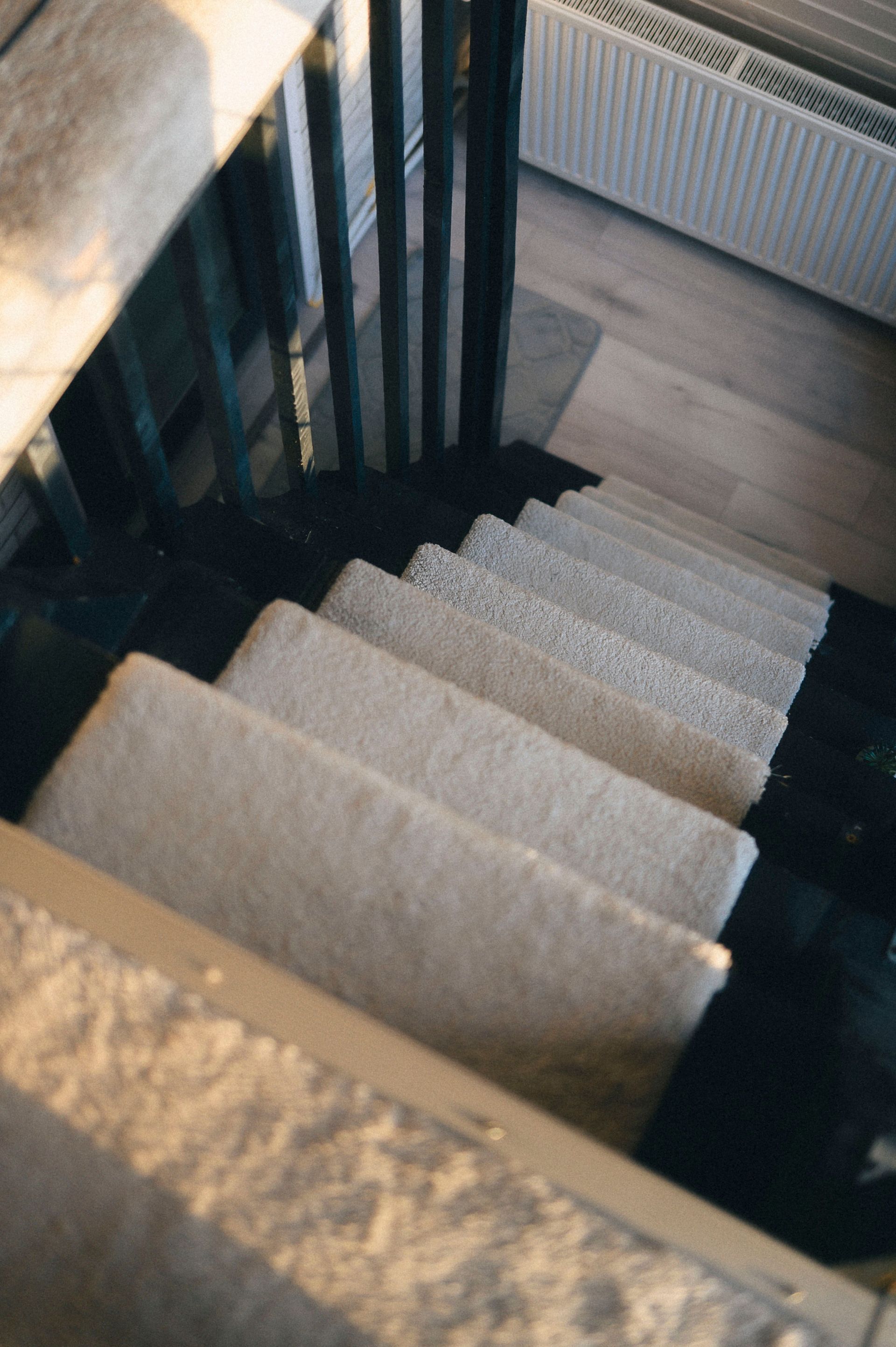
Stairs need one of the strongest carpet decisions in the home. They get concentrated wear, foot pressure, and bending over stair edges. Overly thick or soft carpet can be harder to secure and may wear poorly.
For stairs, look for dense carpet, lower pile height, strong twist, durable fiber, firm padding, and professional carpet installation. This is not a good place to choose the cheapest carpet.
Hallways and Living Rooms
Hallways and living rooms need better durability than bedrooms. If you want carpet in these spaces, choose higher density, stain resistance, practical color, quality padding, and lower pile height.
If the room has pets, kids, heavy traffic, spills, or frequent cleaning needs, LVP installation may be the better long-term option. Carpet can feel better, but LVP can be easier to maintain.
Rental Properties
Rental property flooring should be chosen by lifecycle cost, not just upfront price. Carpet may work well in bedrooms because it adds comfort and sound control. Living rooms, hallways, entryways, basements, and pet-friendly units often perform better with LVP, waterproof flooring, or sheet vinyl.
A cheap carpet that fails quickly can cost more than a better carpet, better padding, or a switch to LVP in the right room.
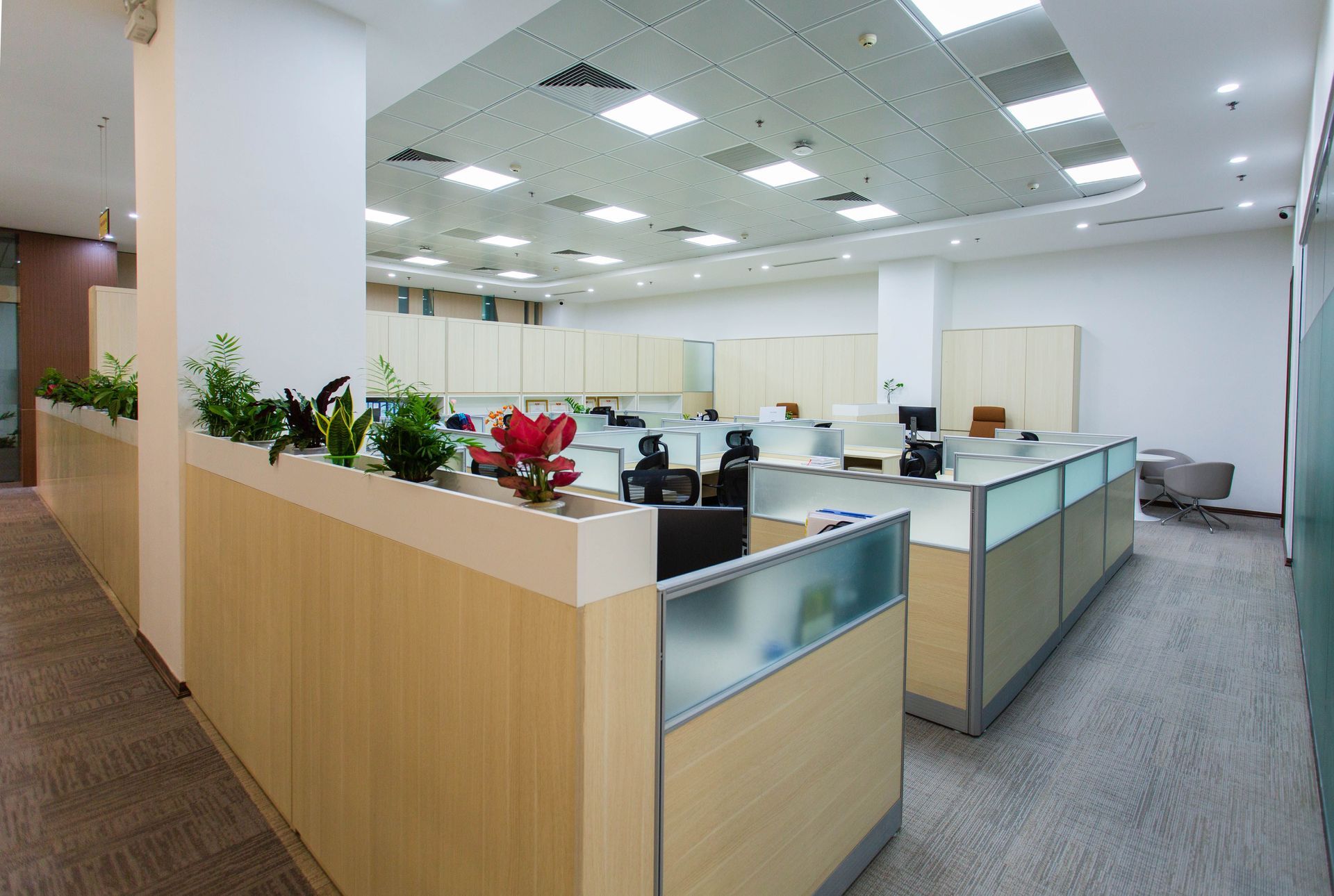
Commercial Flooring
Commercial spaces need flooring that matches traffic, cleaning needs, and downtime. Standard residential carpet may not be the right fit.
Commercial carpet, carpet tile, LVP, or sheet vinyl may perform better depending on the space.
For offices, carpet can help with sound control. For high-traffic public areas, hard-surface commercial flooring may be easier to clean and maintain.
Fiber Type Still Matters
Carpet density is important, but the fiber still matters.
Nylon is often chosen for durability and resilience. It can be a strong choice for stairs, halls, busy homes, and rental properties.
Polyester can be soft and budget-friendly. It may work well in bedrooms and lower-traffic areas, but it may not be the best fit for stairs or heavy-use rental spaces.
Triexta is often valued for stain resistance and softness. It can be a practical choice for families and pets when paired with the right density and padding.
Wool is a premium natural option, but it is often less practical for budget-focused projects or high-turnover rentals.
The point is simple. Do not pick carpet based on density alone. A dense carpet made from the wrong fiber for the room may still disappoint you.
Carpet Padding and Density Work Together
Carpet density is the surface story. Padding is the support story.
Good padding helps the carpet absorb impact, feel better, reduce noise, and maintain support. Bad padding can make a good carpet perform poorly. Old padding can be compressed, stained, uneven, or contaminated by pet odor.
As a planning range, carpet padding commonly costs about $0.75 to $3.75 per square foot installed, depending on pad type, density, room size, stairs, and project conditions.
Do not reuse old padding unless a flooring professional has inspected it and confirmed it is still appropriate. In most carpet replacement projects, replacing the pad is the better choice.
When Carpet Density Is Not Enough
A dense carpet cannot solve every flooring problem.
It cannot fix pet odor in the subfloor. It cannot make a damp basement safe for carpet. It cannot correct squeaks, dips, soft spots, loose panels, or uneven concrete. It cannot make carpet the right product for bathrooms, laundry rooms, or muddy entryways.
Subfloor repair should happen before installation if there are soft spots, squeaks, pet stains, moisture damage, cracked concrete, or movement underfoot. Skipping prep can cause early wear, odor, poor feel, and future repair costs.
Residential Flooring Solutions often sees this during carpet replacement. Once old carpet and padding are removed, hidden problems become easier to spot. That is the right time to fix the base, not after new carpet has already been installed.
Carpet vs LVP, Laminate, Sheet Vinyl, and Waterproof Flooring
Carpet is still a strong choice for bedrooms, stairs, upstairs rooms, and spaces where comfort and sound control matter. With the right density, fiber, padding, and installation, carpet can be a smart and comfortable flooring choice.
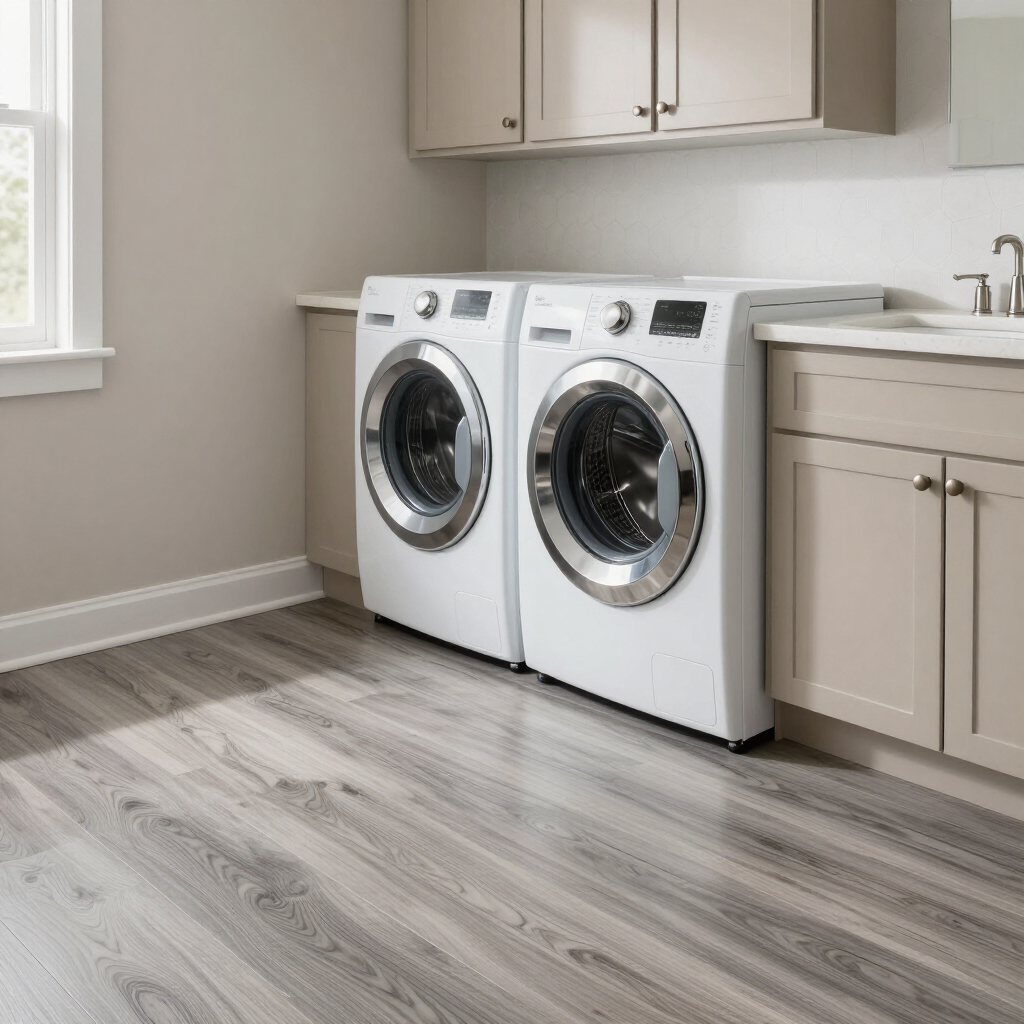
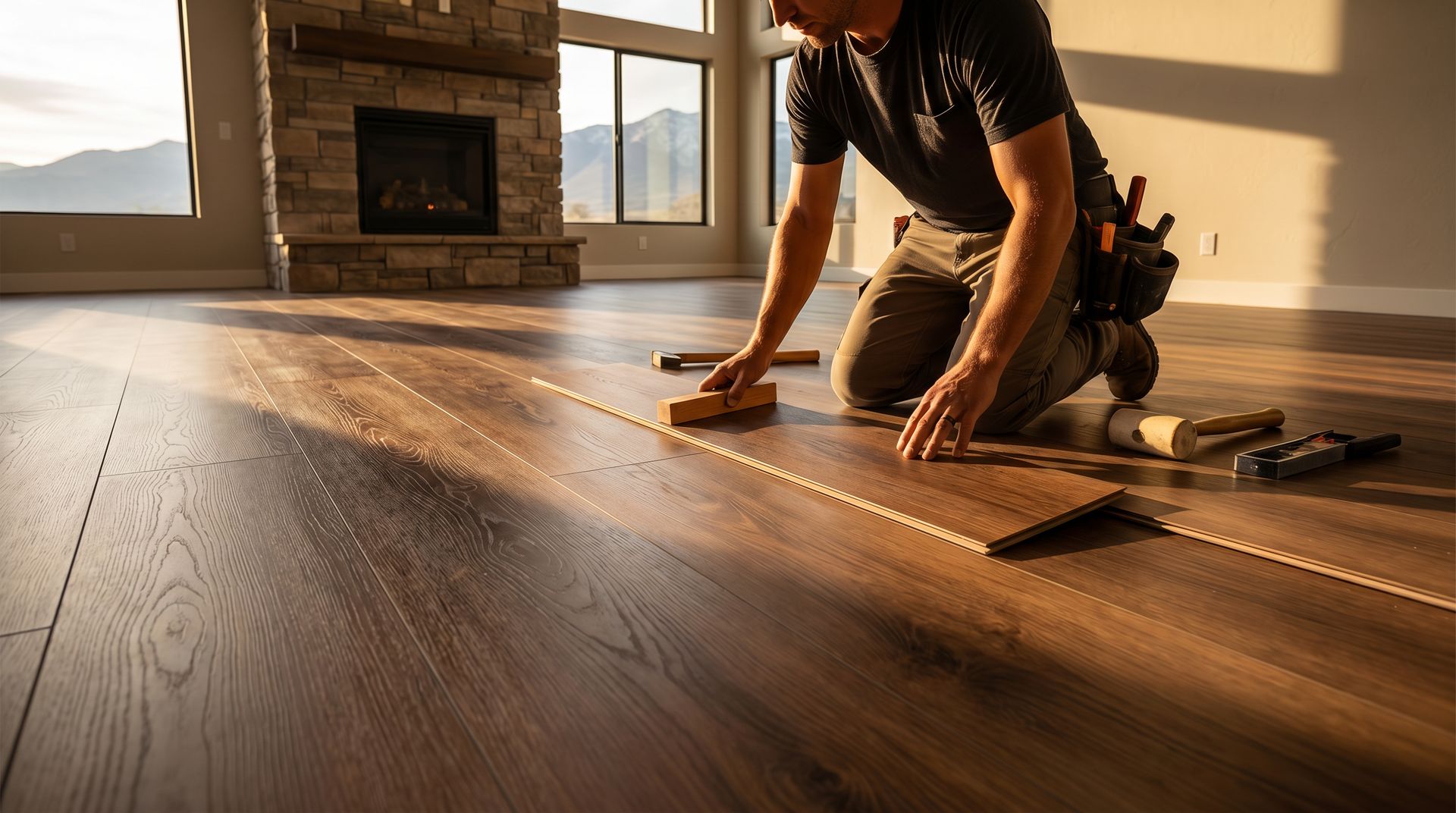
LVP installation is often better for living rooms, hallways, entryways, basements, rental properties, pet-heavy spaces, and commercial areas. It is easier to clean and usually handles moisture and traffic better than carpet.
Laminate flooring can work well in dry rooms where you want a wood-look surface at a practical cost. It needs a flat, stable base and should be used carefully around moisture.
Sheet vinyl can be useful in bathrooms, laundry rooms, utility areas, and budget rental spaces. Waterproof flooring may be better for basements, bathrooms, kitchens, laundry rooms, and spill-prone areas.
The strongest flooring plan often uses different products in different rooms.
What to Ask Before Buying Carpet
Before you choose carpet, ask the flooring contractor:
What is the carpet density rating?
What is the face weight?
What is the pile height?
What fiber is used?
What is the twist level?
Is this carpet rated for stairs?
What padding do you recommend?
Is the old padding being removed?
Will the subfloor be inspected?
Would LVP or waterproof flooring be better in this room?
These questions help you avoid buying carpet based on color and softness alone. They also help you compare estimates fairly.
Choose Carpet Density Based on the Room
Carpet density matters because it helps you understand durability, traffic performance, and long-term value. But density is only one part of the decision. A good carpet choice also depends on fiber, twist, pile height, padding, installation quality, subfloor condition, moisture exposure, pets, and room use.
For homeowners and property managers in West Jordan, South Jordan, and greater Salt Lake County, the best flooring decision starts with how the room is actually used. Bedrooms may need comfort. Stairs need durability. Rentals need lifecycle value. Commercial spaces need performance.
Moisture-prone rooms may need LVP, sheet vinyl, or waterproof flooring instead of carpet.
Request a free estimate from Residential Flooring Solutions for carpet installation, carpet replacement, LVP installation, laminate flooring, sheet vinyl, waterproof flooring, commercial flooring, or subfloor repair. Get honest pricing, proper prep, quality materials, and timely installation from a local flooring contractor that helps you choose the right carpet density, not just the right color.
Recent Posts