How are different carpet types manufactured | carpet basics
TL;DR
- Carpet basics start with construction. Carpet is made from fiber, yarn, pile, backing, padding, subfloor prep, and professional installation.
- How is carpet made? Most carpet is made by inserting yarn into a backing, securing it with a secondary backing, then finishing it into cut pile, loop pile, cut and loop, broadloom, or carpet tile.
- What is tufted carpet? Tufted carpet is made by pushing yarn through backing to create loops. Those loops can stay looped or be cut open. The Carpet and Rug Institute says tufted carpet accounts for most carpet construction.
- What is the difference between low ply carpet and high ply carpet? Most homeowners are usually asking about low pile and high pile carpet. Low pile carpet has shorter fibers and often handles traffic better. High pile carpet has taller fibers and usually feels softer, but it can crush faster in busy rooms.
- What is cut pile carpet? Cut pile carpet has yarn loops cut open for a softer surface. It is common in bedrooms, living rooms, and comfort-focused areas.
- What is loop pile carpet? Loop pile carpet keeps the loops intact, creating a firmer surface that can work well in offices, hallways, and selected high-traffic areas.
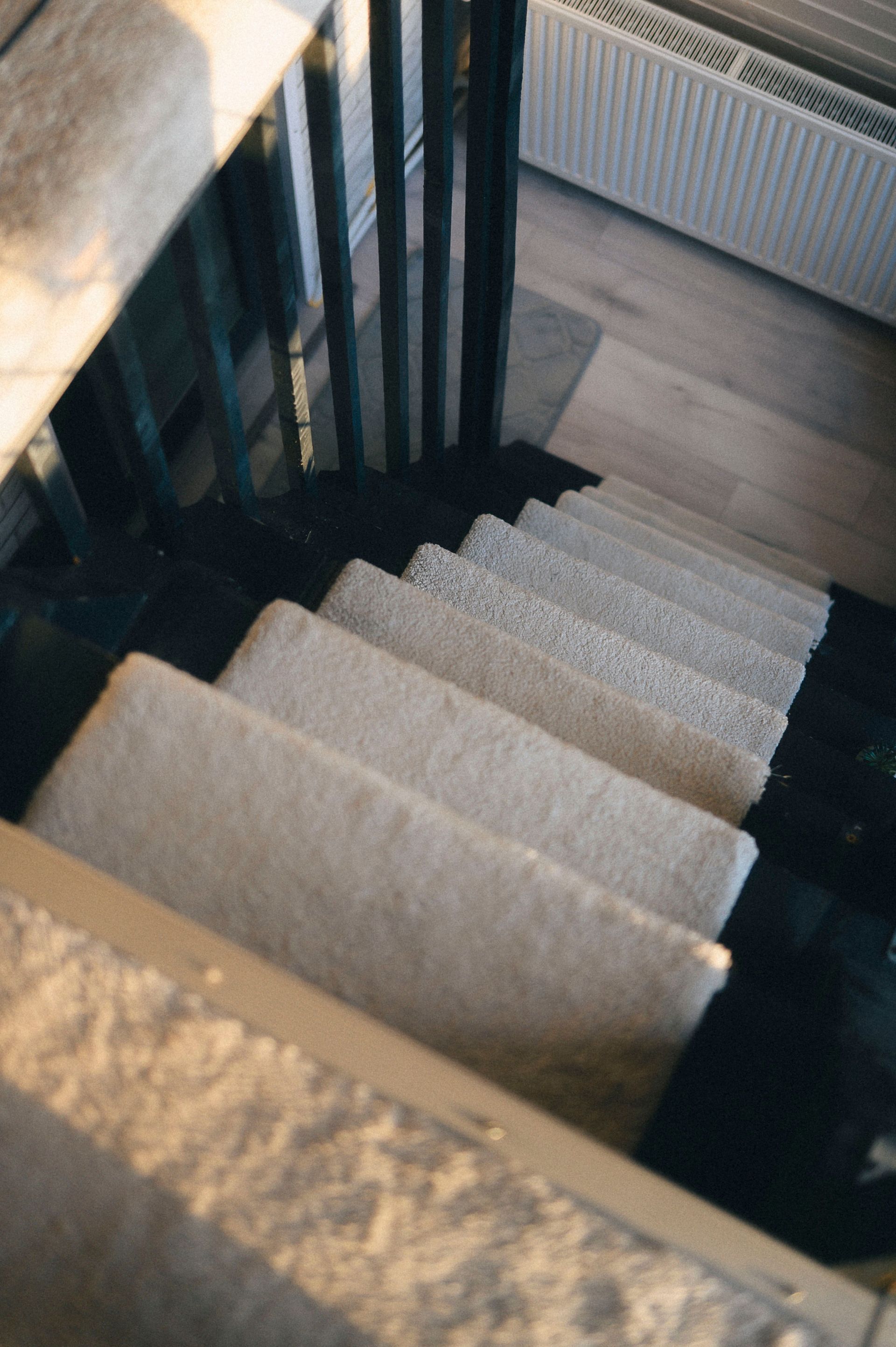
- What carpet is best for stairs? Stairs need durable fiber, lower pile height, tighter twist, good density, quality padding, and professional carpet installation.
- What carpet is best for rentals? Carpet can work well in bedrooms, but LVP installation is often better for rental living rooms, hallways, entryways, pet-heavy spaces, and high-turnover areas.
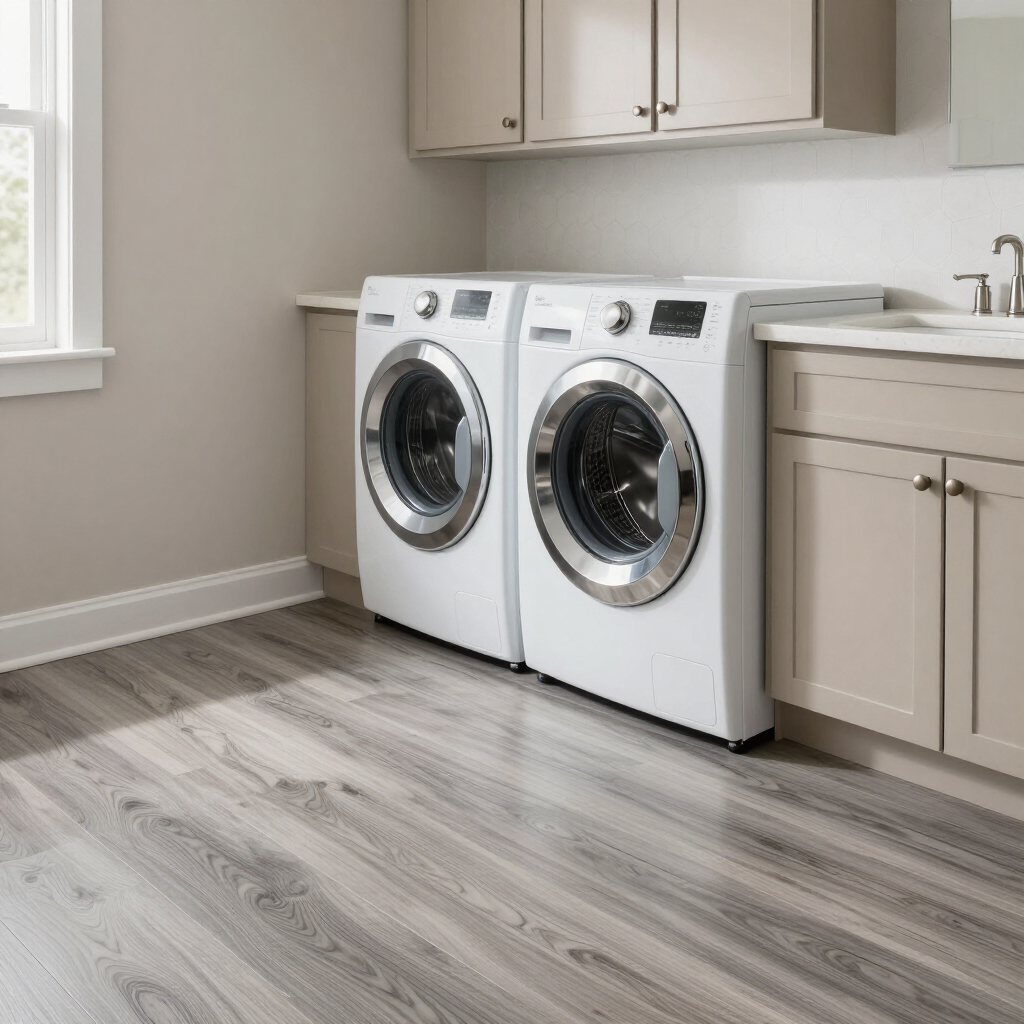
- When should you avoid carpet? Bathrooms, laundry rooms, damp basements, muddy entryways, and repeated spill areas usually call for LVP, sheet vinyl, or waterproof flooring instead.
- Why does subfloor prep matter? Even well-made carpet can fail early if it is installed over old padding, soft spots, pet odor, moisture damage, uneven concrete, or loose subfloor panels.
Understanding carpet basics starts with knowing how different carpet types are manufactured. If you are comparing carpet installation in West Jordan, South Jordan, or greater Salt Lake County, the way carpet is made affects how it feels, how it wears, how it handles traffic, how it cleans, and how long it should last.
Carpet is not just color and softness. It is a flooring system made from fiber, yarn, pile construction, backing, padding, subfloor condition, and installation quality. Residential Flooring Solutions helps homeowners and property managers compare carpet installation, LVP and laminate flooring, and subfloor repair before the work begins, so the final floor fits the room and the way the property is used.
Why Carpet Manufacturing Matters Before You Buy
Many homeowners choose carpet by touch first. That makes sense. Carpet is supposed to feel comfortable. But softness alone does not tell you whether a carpet will hold up on stairs, survive rental turnover, handle pets, or look good after years of traffic.
The Carpet and Rug Institute explains that “cut pile achieves its durability through the type of fiber used, density of tufts, and the amount of twist in the yarn.” That is the right way to think about carpet quality. It is not one feature. It is the full construction.
For Utah homes, that matters. Snow, salt, grit, pets, kids, furniture, rental move-ins, and daily foot traffic all affect carpet performance. A soft carpet that works well in a guest bedroom may fail quickly in a hallway. A strong carpet for stairs may feel too firm for a primary bedroom. The right choice starts with understanding how the carpet is made and where it should be used.
How Is Carpet Made?
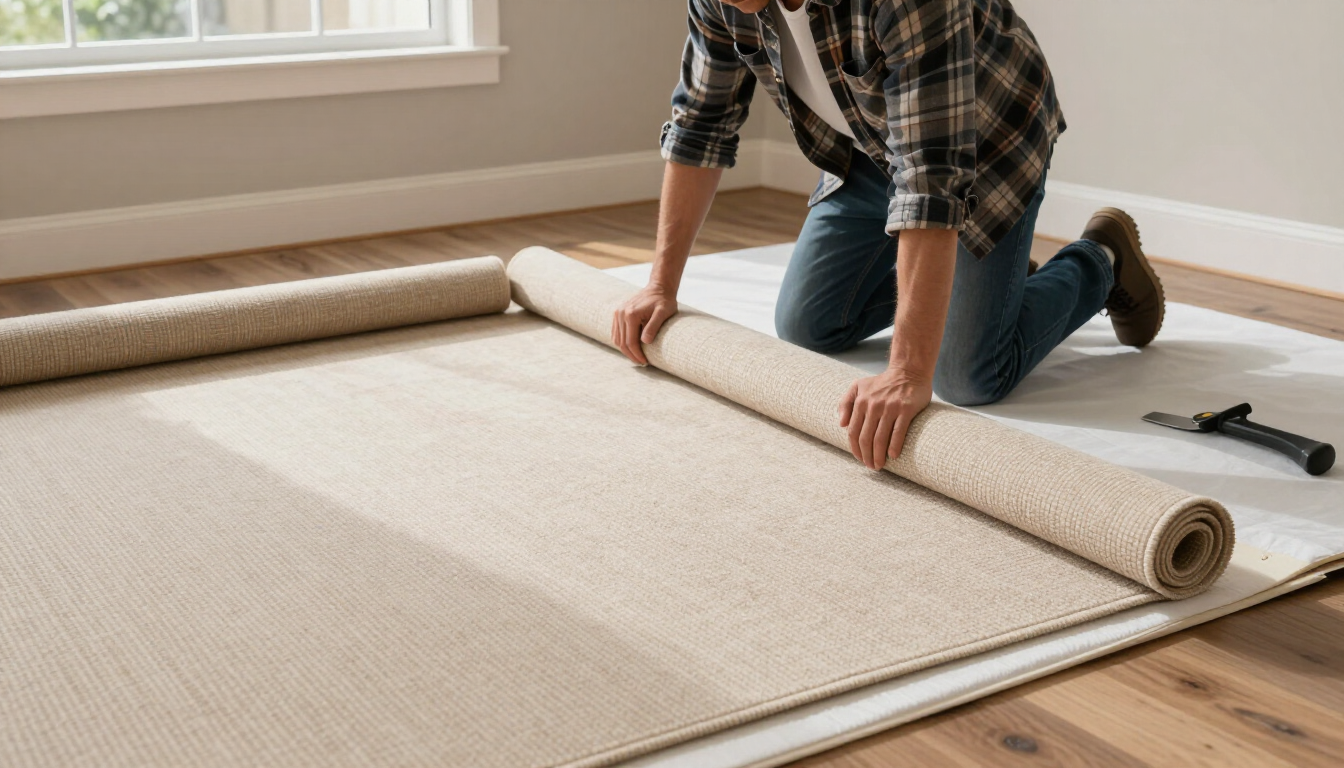
Most carpet begins with fiber. That fiber is turned into yarn. The yarn is then inserted, woven, bonded, or needled into a backing system. After that, the carpet is dyed, finished, inspected, and prepared as broadloom carpet, carpet tile, or another format.
In a typical residential carpet, the visible surface is called the pile. That pile may be cut open, left looped, or made with a combination of both. The carpet also has backing that helps hold the yarn in place. During installation, padding goes underneath most residential carpet, and the subfloor below that needs to be clean, dry, flat, and stable.
A good carpet can still perform poorly if the installation is rushed, the padding is wrong, or the subfloor is damaged. That is why carpet basics need to include both manufacturing and installation.
Tufted Carpet: The Most Common Carpet Construction
Tufted carpet is the most common modern carpet construction. It is made by pushing yarn through a primary backing with a tufting machine. The yarn forms loops. Those loops can stay intact for loop pile carpet or be cut open for cut pile carpet.
Tufted carpet is popular because it can be made efficiently in many styles, colors, textures, pile heights, and price points. It can be used for bedrooms, stairs, family rooms, rentals, offices, and commercial flooring depending on the construction.
Not all tufted carpet is the same. You still need to compare fiber type, density, twist, pile height, backing, padding, and warranty. A budget tufted carpet for a spare bedroom is not the same as a durable carpet meant for stairs or rental use.
Woven Carpet: Traditional Construction With a Different Feel
Woven carpet is made by interlacing the face yarn and backing materials together. This method can create strong construction and detailed patterns. Woven carpet is often associated with higher-end or design-focused projects.
Woven carpet can be a strong choice for formal rooms, higher-end residential spaces, or certain commercial settings. The tradeoff is that it may cost more and may require more careful installation planning.
For most homeowners and property managers, woven carpet is not usually the default choice. It can be valuable in the right space, but it should be selected based on room use, budget, traffic, maintenance expectations, and installation needs.
Cut Pile Carpet: Soft, Common, and Comfortable
Cut pile carpet starts as loops that are cut open. This creates individual yarn ends on the surface. The result is usually softer than loop pile carpet.
Common cut pile styles include plush, Saxony, textured carpet, frieze, and cable carpet. These products are often chosen for bedrooms, primary suites, guest rooms, upstairs spaces, and living rooms where comfort matters.
Cut pile carpet can be durable, but the details matter. Strong fiber, good density, tighter yarn twist, correct padding, and professional installation all affect how it performs. For stairs, halls, and busy family rooms, you usually want a tighter, lower-profile cut pile rather than a tall, loose, overly soft carpet.
Loop Pile Carpet: Firm, Durable, and Practical
Loop pile carpet keeps the yarn loops intact. This can create a firmer surface and often helps with traffic resistance. Loop pile carpet may include Berber, level loop, multi-level loop, and commercial loop styles.
Loop pile can work well in offices, hallways, selected stairs, commercial spaces, and some rental properties. It can also hide some traffic better than certain soft cut pile carpets.
There is one caution. Loop pile can snag if pet claws, sharp furniture, or rough use catch the loops. If you have pets or heavy tenant turnover, LVP installation may be a better choice in the busiest rooms.
Cut and Loop Carpet: Pattern and Texture
Cut and loop carpet combines cut yarn and looped yarn. This creates texture, pattern, and visual depth. Homeowners often like cut and loop carpet because it can help hide footprints and traffic patterns better than some smooth carpet styles.
This type of carpet can work in bedrooms, living rooms, and selected design-focused spaces. It still needs the right fiber, density, padding, and installation. If the construction is weak or the room sees heavy traffic, uneven wear can show over time.
Pattern layout also matters. A professional carpet installer should plan seams, direction, and room layout before cutting the material.
Low Pile vs High Pile Carpet
When someone asks about low ply carpet and high ply carpet, they usually mean low pile and high pile carpet.
Low pile carpet has shorter fibers. It is often easier to vacuum, less likely to crush, and better suited for stairs, hallways, offices, rentals, and high-traffic rooms. It may feel firmer, but that firmness can be an advantage where durability matters.
High pile carpet has taller fibers. It often feels softer and more plush. It can work well in bedrooms, guest rooms, and comfort-focused spaces. The downside is that taller pile can show traffic, mat down, and be harder to clean in active spaces.
The best answer depends on the room. Choose low pile when traffic, maintenance, and durability matter most. Choose higher pile when softness and comfort matter more than heavy wear resistance.
Carpet Tile and Needle Punched Carpet
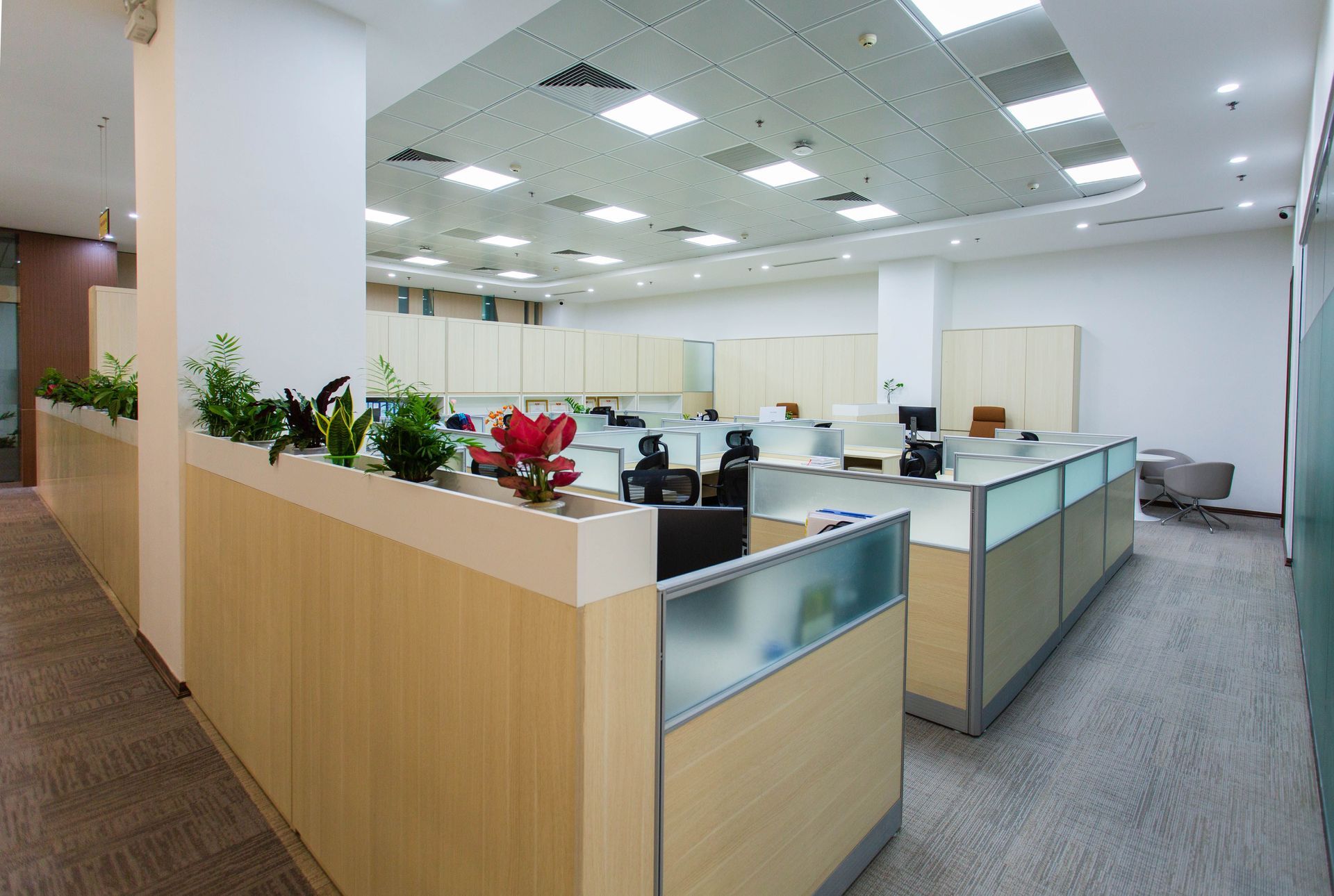
Carpet tile is modular carpet made in squares or planks. It is common in commercial flooring because individual sections can often be replaced if damaged. Carpet tile can be a good choice for offices, property management settings, basements with controlled moisture, and spaces where maintenance flexibility matters.
Needle punched carpet is made by mechanically bonding fibers with barbed needles. It is often used for practical commercial, utility, indoor-outdoor, or specialty applications rather than plush bedrooms.
For homes, broadloom carpet is still common because it creates a wall-to-wall look with fewer visible breaks. For commercial spaces, carpet tile often gives better flexibility.
Carpet Fiber Types and Why They Matter
Nylon Carpet
Nylon is often selected for durability and resilience. It can be a strong choice for stairs, hallways, living rooms, rental bedrooms, and some commercial spaces. If the room gets heavy use, nylon is usually worth considering.
Polyester Carpet
Polyester can be soft and cost effective. It may work well in bedrooms, guest rooms, and lower-traffic areas. It is often chosen for comfort and budget, but it may not be the strongest choice for stairs or heavy rental use.
Triexta Carpet
Triexta is often valued for stain resistance and softness. It can work well for families, kids, and pet-aware rooms when paired with the right construction and padding.
Wool Carpet
Wool is a premium natural fiber. It can feel high-end and perform well in selected spaces, but it is often less practical for budget-focused installs, rentals, and high-turnover properties.
Olefin Carpet
Olefin, also called polypropylene, is often used in loop styles and certain commercial or indoor-outdoor applications. It can resist some moisture and staining, but it may crush or wear differently than nylon.
Carpet Manufacturing Terms You Should Know
Face weight tells you how much fiber is in the carpet surface. Density tells you how tightly the fibers are packed. Twist tells you how tightly yarn strands are twisted together. Pile height tells you how tall the fibers are. Backing helps stabilize the carpet. Padding supports the carpet from underneath.
These terms matter because two carpets can look similar but perform very differently. A tall, soft carpet may feel great in a showroom but wear quickly in a hallway. A lower pile carpet with stronger twist and better density may feel firmer but last longer in traffic.
Residential Flooring Solutions focuses on matching those specs to the space, not just selling the softest sample.
How Carpet Construction Affects Installation
Carpet construction affects seam planning, stretching, pad choice, transitions, and installation time. Patterned carpet, cut and loop products, stairs, large rooms, and open layouts all require more careful planning.
Broadloom carpet needs proper stretch to prevent ripples and loose areas. Carpet on stairs needs tight installation and secure finishing. Carpet over damaged padding or a poor subfloor can fail early even if the product itself is good.
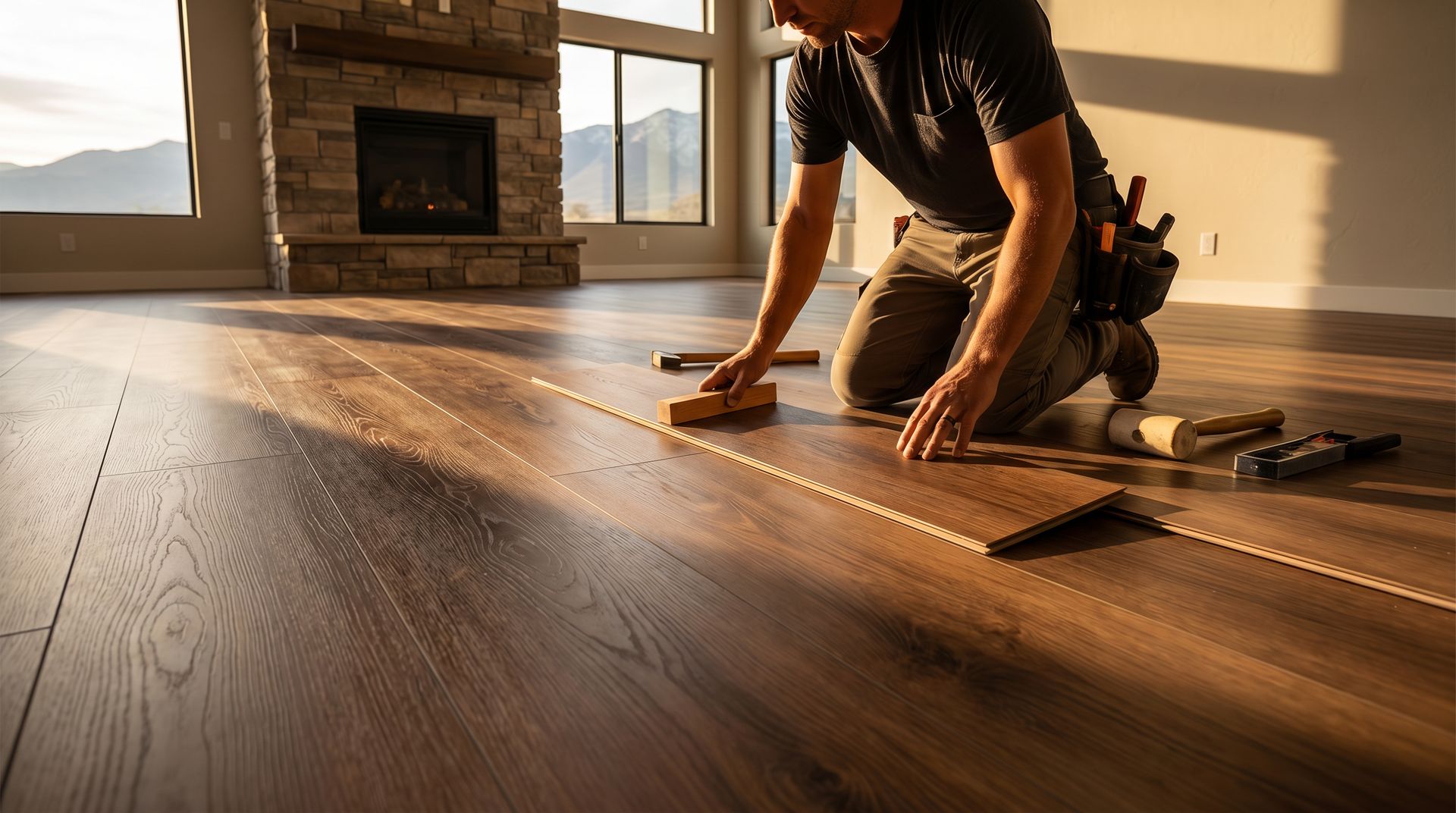
This is where professional carpet installation matters. A flooring contractor should inspect the old flooring, remove old pad when needed, review the subfloor, address damage, install the right padding, plan seams, stretch the carpet correctly, and finish transitions cleanly.
Carpet vs LVP, Laminate, Sheet Vinyl, and Waterproof
Flooring
Carpet is still a strong choice for bedrooms, stairs, upstairs rooms, and comfort-focused spaces. It adds warmth, softness, and sound control.
LVP installation is often better for living rooms, hallways, entryways, basements, pet-heavy homes, rental properties, and commercial spaces. It is easier to clean and often handles daily wear better in high-use rooms.
Laminate flooring can work well in dry rooms where you want a wood-look surface at a practical price. It needs a stable, flat base and should be used carefully around moisture.
Sheet vinyl can be useful for bathrooms, laundry rooms, utility rooms, and budget-focused rentals. Waterproof flooring is often a better option for basements, bathrooms, kitchens, laundry spaces, and spill-prone areas.
The best flooring plan may use more than one product. Carpet in bedrooms, LVP in living rooms, sheet vinyl in laundry rooms, and waterproof flooring in basements may give better long-term value than using the same flooring everywhere.
Carpet Installation Cost and What Changes the Price
Carpet installation cost depends on the product, padding, room size, stairs, removal, disposal, transitions, furniture moving, and subfloor condition.
As planning ranges, budget carpet installed may run about $3 to $5 per square foot, mid-range carpet about $5 to $8 per square foot, and premium carpet about $8 to $12 or more per square foot.
Padding, removal, disposal, stairs, odor treatment, concrete leveling, and subfloor repair can change the final estimate. A low quote that skips prep or uses weak padding may not be the best long-term value.
Honest pricing should explain what is included before installation begins. That means material, labor, padding, removal, disposal, transitions, stair work, subfloor prep, and timeline.
How Residential Flooring Solutions Helps You Choose
A good flooring decision starts with the room, not the sample. Residential Flooring Solutions looks at traffic, pets, kids, rental turnover, commercial use, moisture, cleaning needs, comfort, and budget.
From there, the team can explain carpet construction, compare fiber types, review density and pile height, recommend padding, inspect the subfloor, and install the product correctly. If carpet is not the best answer, the team can explain whether LVP, laminate flooring, sheet vinyl, or waterproof flooring would be a better fit.
That direct approach matters for homeowners and property managers in West Jordan, South Jordan, and greater Salt Lake County because flooring has to perform in real life, not just look good on day one.
Carpet Basics Come Down to Construction, Prep, and Fit
Carpet basics start with how the carpet is made. Tufted carpet, woven carpet, cut pile, loop pile, cut and loop, broadloom, and carpet tile all perform differently. Fiber, density, twist, pile height, backing, padding, and installation quality all affect the final result.
For bedrooms, carpet may be the right answer. For stairs, choose durable construction. For rentals, consider lifecycle cost. For commercial spaces, choose products around traffic and maintenance. For moisture-prone rooms, LVP, sheet vinyl, or waterproof flooring may be smarter.
For carpet installation, carpet replacement, LVP installation, laminate flooring, sheet vinyl, waterproof flooring, commercial flooring, or subfloor repair in West Jordan, South Jordan, and greater Salt Lake County, request a free estimate from Residential Flooring Solutions. Get honest pricing, proper prep, quality materials, and timely installation from a local flooring contractor that understands carpet basics before the finished floor goes down.
Recent Posts