Why Do Carpet Stores Put Carpet on Sale? What you Need to Know
TL;DR
- Why do carpet stores put carpet on sale? Carpet stores may discount carpet because of overstock, discontinued styles, manufacturer promotions, showroom updates, seasonal demand, limited remnants, or warehouse inventory.
- Is carpet on sale always a good deal? No. A sale is only valuable if the carpet fits the room, has enough available material, uses the right padding, and includes proper installation prep.
- Does sale carpet include installation? Not always. Some ads only include material. Others may include basic installation but exclude padding, removal, disposal, stairs, transitions, furniture moving, or subfloor repair.
- Are carpet remnants worth buying? Remnants can be a smart buy for small bedrooms, closets, offices, and budget-focused rental updates. They are less ideal for large rooms or properties where future color matching matters.
- Is cheap carpet lower quality? Sometimes, but not always. Some sale carpet is quality inventory being cleared out. Other sale carpet may be lower-density, discontinued, limited quantity, or wrong for high-traffic spaces.
- Should you buy carpet based only on sale price? No. Buy based on room use, fiber, density, twist, padding, subfloor condition, installation scope, and total installed cost.
- What hidden costs should you watch for? Padding, old carpet removal, disposal, stairs, transitions, tack strip replacement, furniture moving, odor treatment, concrete leveling, and subfloor repair can all change the final price.
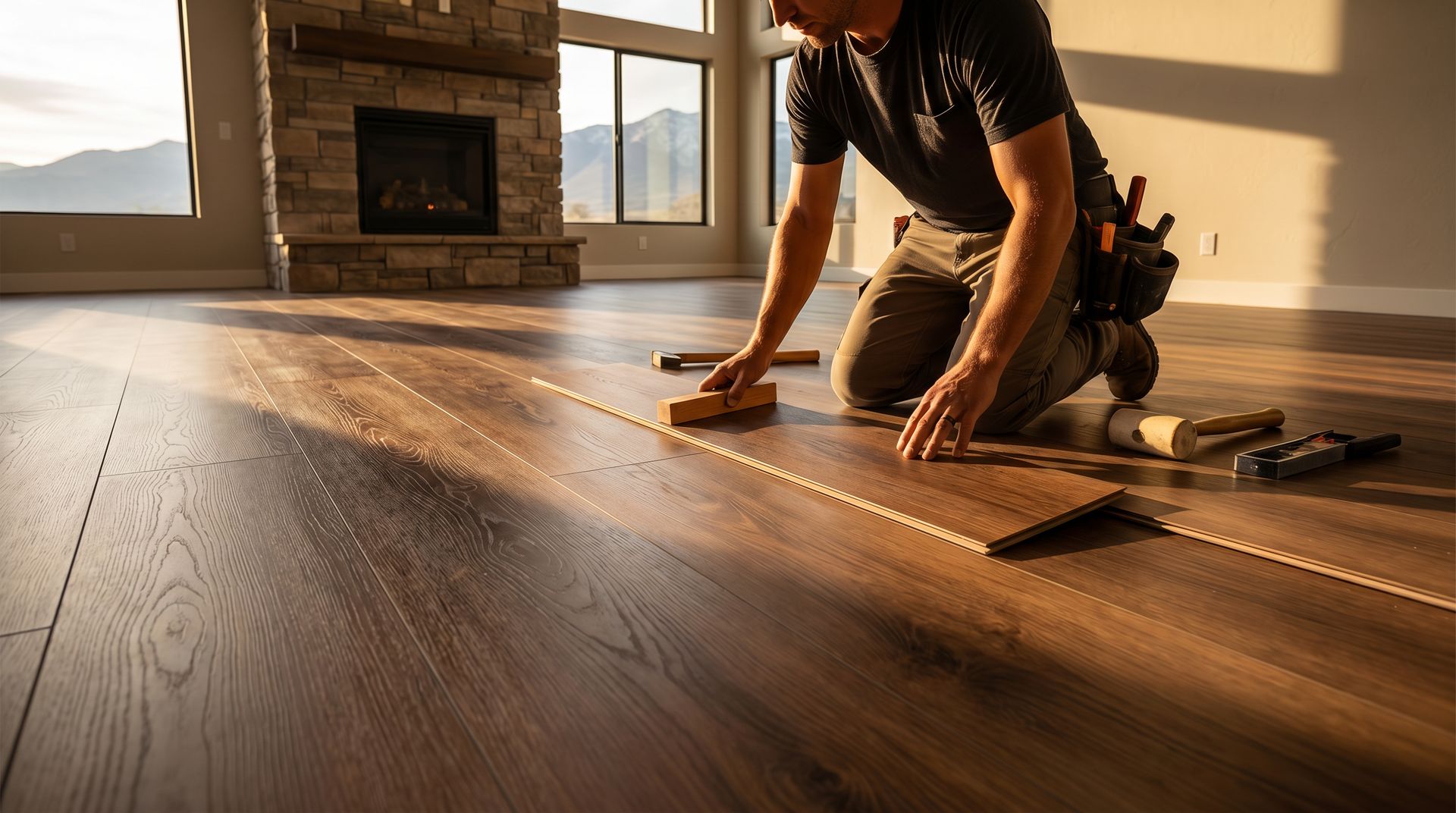
- When is LVP better than sale carpet? LVP installation is often better for entryways, rental living rooms, basements, pet-heavy areas, hallways, and high-traffic rooms.
- What should a reliable flooring contractor do? A good flooring contractor should help you compare carpet, LVP, laminate flooring, sheet vinyl, waterproof flooring, padding, prep, and total installed cost before you approve the project.
If you have searched carpet on sale? or wondered why Carpet Stores in West Jordan, South Jordan, and greater Salt Lake County seem to run flooring promotions so often, you are asking a smart question. Carpet sales can be legitimate, but the sale price is only one part of the decision. Before you buy discount carpet, you need to know why it is marked down, what is included, what is excluded, and whether carpet is actually the right flooring choice for the room.
Residential Flooring Solutions helps you compare carpet installation, LVP and laminate flooring, and subfloor repair before the work begins. That matters because a good flooring decision is not just about finding a lower material price. It is about choosing the right product, installing it correctly, and making sure the floor underneath is ready.
Why Do Carpet Stores Sometimes Put Their Carpet on Sale?
Carpet stores put carpet on sale for several normal business reasons. Sometimes a store has too much inventory and needs warehouse space.
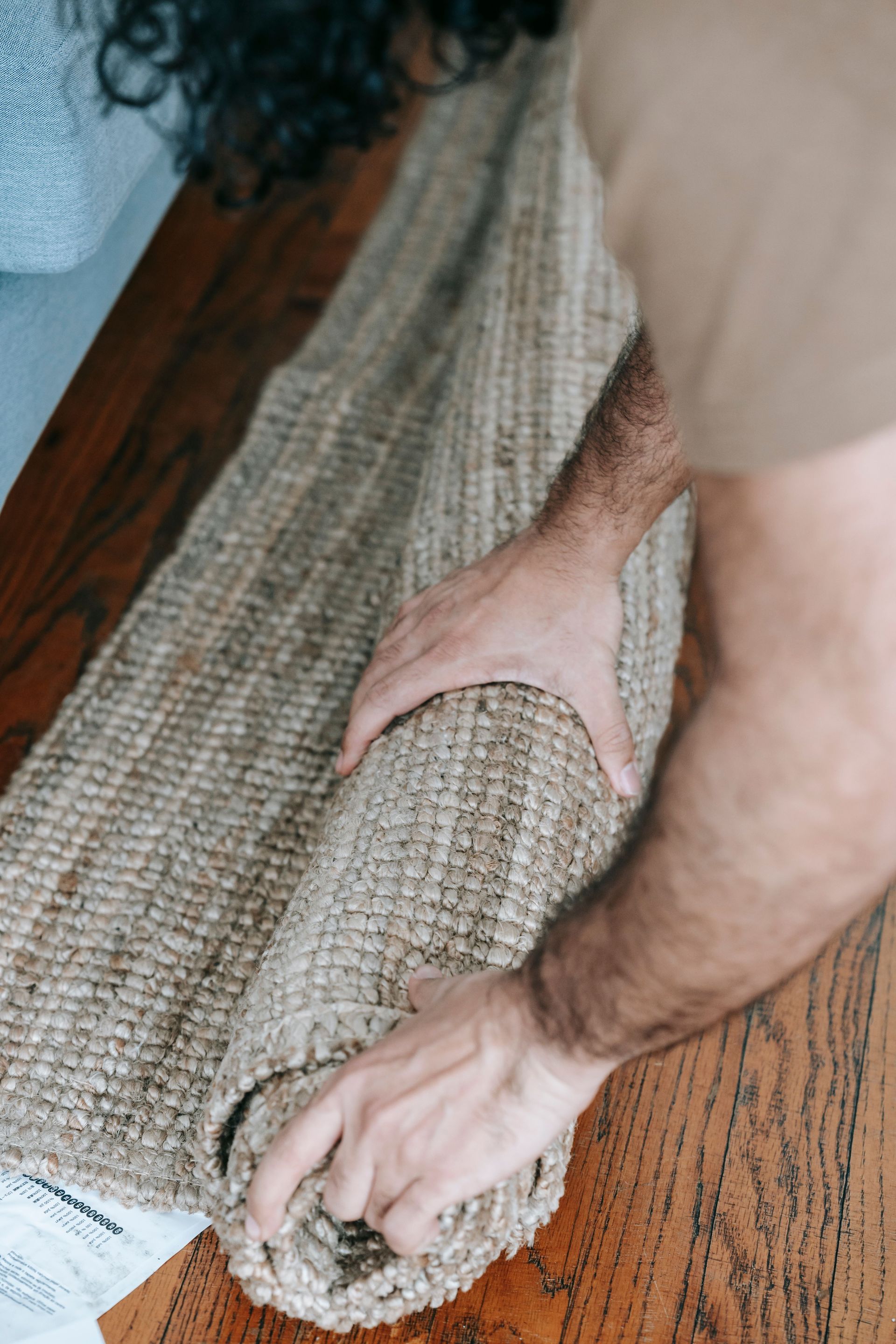
Sometimes a color, texture, or product line is being discontinued. Sometimes the manufacturer offers a promotion to move a specific carpet line. Sometimes the store has remnants from larger rolls that are too small for big projects but useful for smaller rooms.
A sale does not automatically mean the carpet is bad. It also does not automatically mean it is a smart buy. The reason for the sale matters.
If carpet is on sale because it is overstock, it may be a good opportunity. If it is discontinued, it may still be a good product, but you may not be able to order more later. If it is a remnant, it may work well for a bedroom or closet, but not for an open layout. If it is a promotion with installation advertised, the details of that installation package need to be reviewed carefully.
Why the Sale Price Is Not the Real Price
The biggest mistake buyers make is comparing the sale tag instead of the installed price. Carpet material is only one part of the total project.
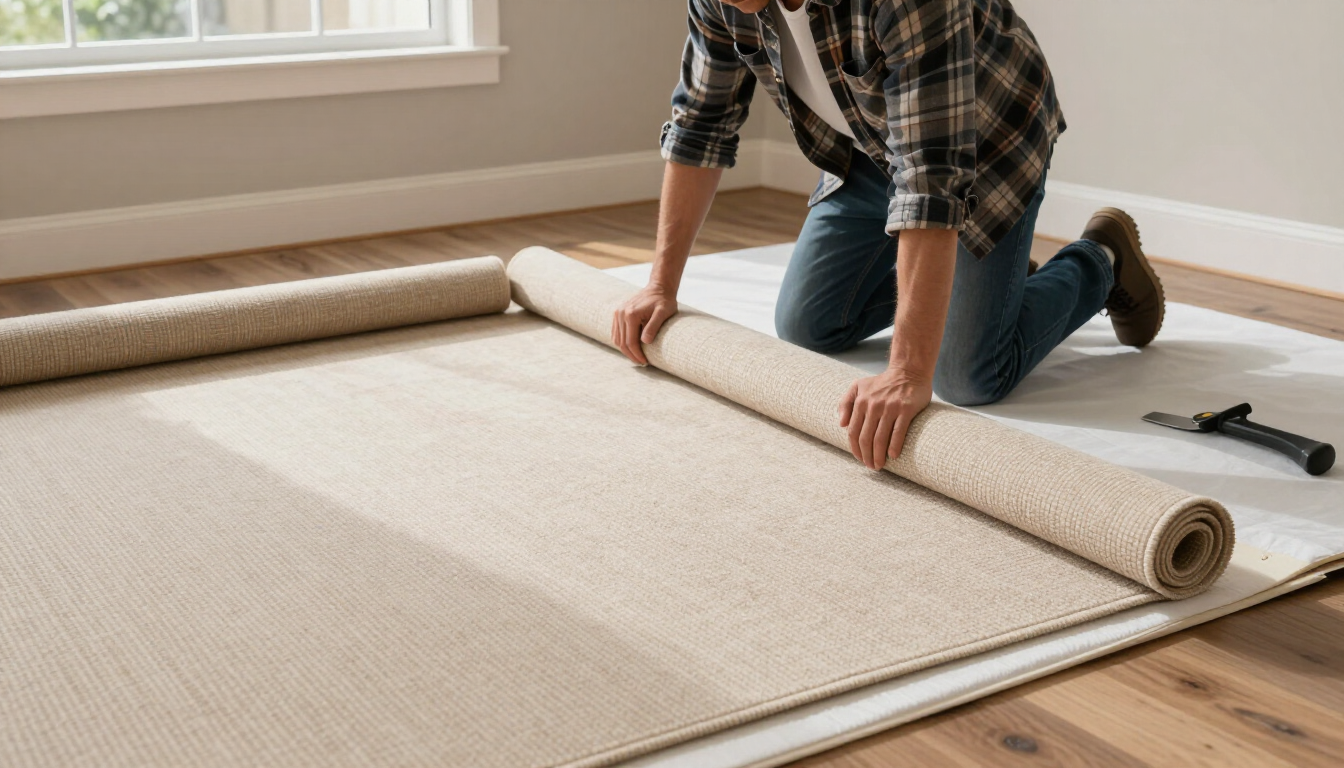
A complete carpet installation can include carpet, padding, labor, old carpet removal, old padding removal, disposal, tack strip repair, stairs, transitions, furniture moving, door trimming, subfloor repair, odor treatment, moisture correction, and final cleanup.
That is why a low advertised price can become more expensive once the full room is measured. A store may advertise carpet at an attractive price, but the final estimate may change once padding, removal, stairs, or prep are added.
Current cost guides place carpet padding around $0.75 to $3.75 per square foot installed, and carpet removal commonly adds additional cost depending on the project. Those numbers are planning ranges, not final quotes, but they show why the full estimate matters more than the sale tag.

The Padding Matters as Much as the Carpet
Carpet padding is one of the most important details in any carpet installation. It affects comfort, sound, wear, and the way the carpet feels underfoot.
The Carpet and Rug Institute states, “Cut pile achieves its durability through the type of fiber used, density of tufts, and the amount of twist in the yarn.” That same logic applies to the full flooring system. Durability is never just one thing. Fiber, construction, padding, and installation all work together.
CRI also notes that improper cushion selection may void manufacturer warranties. That means padding should not be treated as a throwaway add-on. A sale carpet with cheap or incorrect padding may wear faster, feel weaker, or fail to meet warranty requirements.
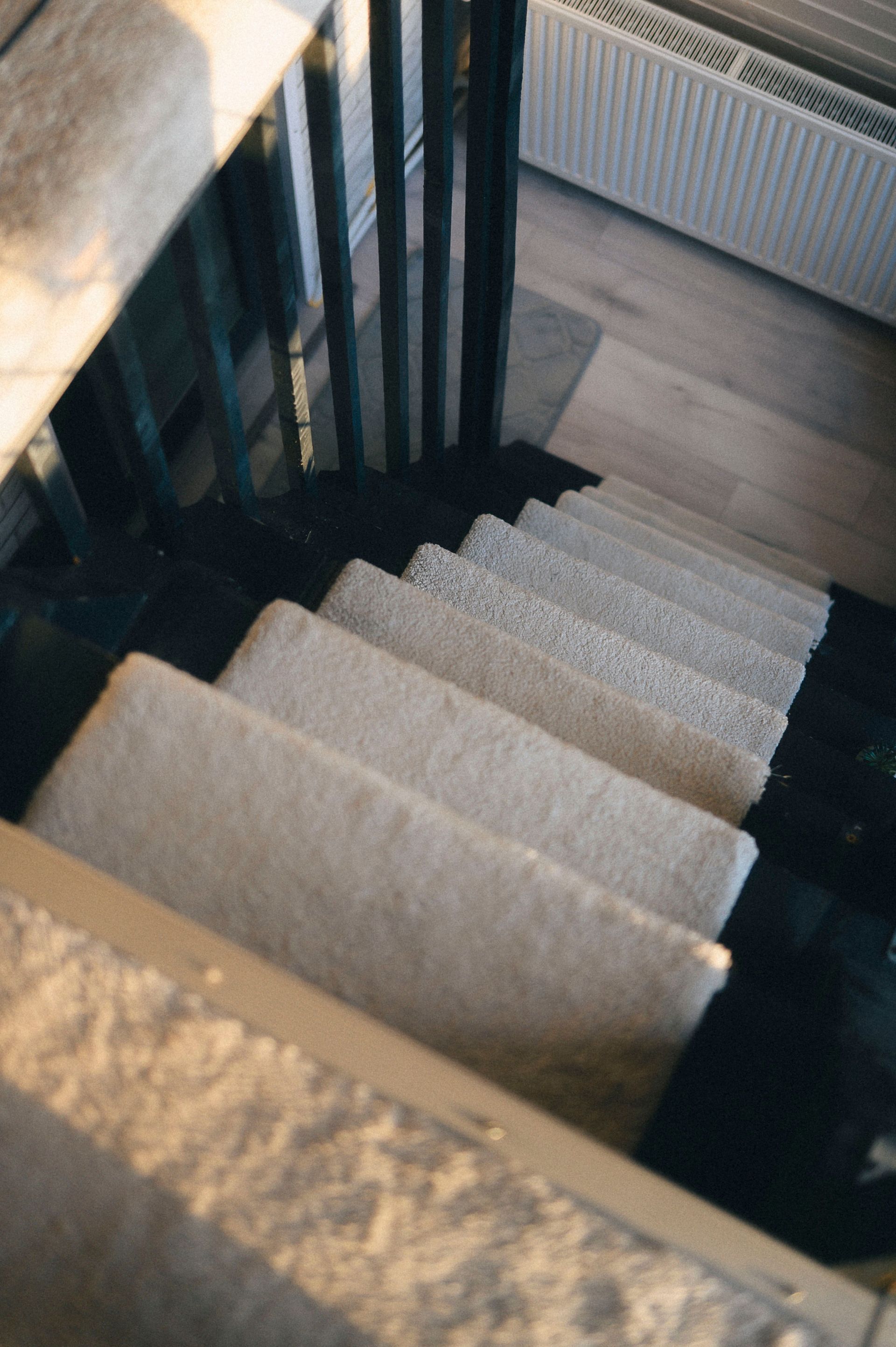
For bedrooms, softer padding may make sense. For stairs and high-traffic rooms, firmer support is usually better. For pet-aware spaces, moisture barrier padding may help, but it does not make carpet waterproof. If liquid reaches seams, walls, tack strips, or the subfloor, cleanup and repair still matter.
When Carpet on Sale Is a Good Buy
Carpet on sale can be a smart purchase when the product matches the room and the full installation scope is clear.
A discounted carpet may work well in a guest bedroom, primary bedroom, upstairs room, or low-traffic office. A remnant may be useful for a closet, small bedroom, landing, or budget rental repair. A manufacturer promotion may help you get a better carpet at a better price if the product is still available in the right quantity.
The carpet should fit the room. A soft plush carpet may be comfortable in a bedroom but wrong for stairs. A lower-cost carpet may work for a short-term rental update but may not make sense in a busy family room. A discontinued carpet may be fine for one room but risky if you need to match it later.
The best deal is not the lowest price. The best deal is the right carpet, with the right pad, installed correctly, at a fair total cost.
When Carpet on Sale Is Not a Good Deal
Sale carpet is not a good deal when it is the wrong product for the room.
If you are replacing flooring in an entryway, basement, rental living room, pet-heavy area, or commercial space, carpet may not be the best long-term answer. In those areas, LVP installation, sheet vinyl, or waterproof flooring may perform better.
Sale carpet is also risky when there is not enough material. Carpet installation needs enough material for the room, closets, seams, waste factor, and sometimes future repair. If a remnant barely fits the room, the installer may not have enough flexibility for seam placement or mistakes.
You should also be cautious when the estimate is vague. If the quote does not clearly include padding, removal, disposal, stairs, transitions, and subfloor prep, the sale may not save as much as it appears.
Carpet Sales and Property Managers
Property managers should look at carpet sales differently than homeowners. The goal is not only to make one room look good. The goal is to control long-term replacement cost, speed up turnover, reduce complaints, and choose products that can handle tenant use.
Sale carpet may be useful for rental bedrooms, especially when the color is neutral and the product is durable enough for turnover. But living rooms, hallways, entryways, and pet-friendly units may be better candidates for LVP installation.
A smart rental flooring plan may use carpet in bedrooms, LVP in living areas and hallways, sheet vinyl in utility rooms, and waterproof flooring in moisture-prone spaces. This approach often performs better than using carpet everywhere just because it is on sale.
Carpet vs LVP, Laminate, Sheet Vinyl, and Waterproof Flooring
Carpet is still a strong choice for bedrooms, stairs, upstairs rooms, and areas where comfort and sound control matter. It feels warm, soft, and quiet.
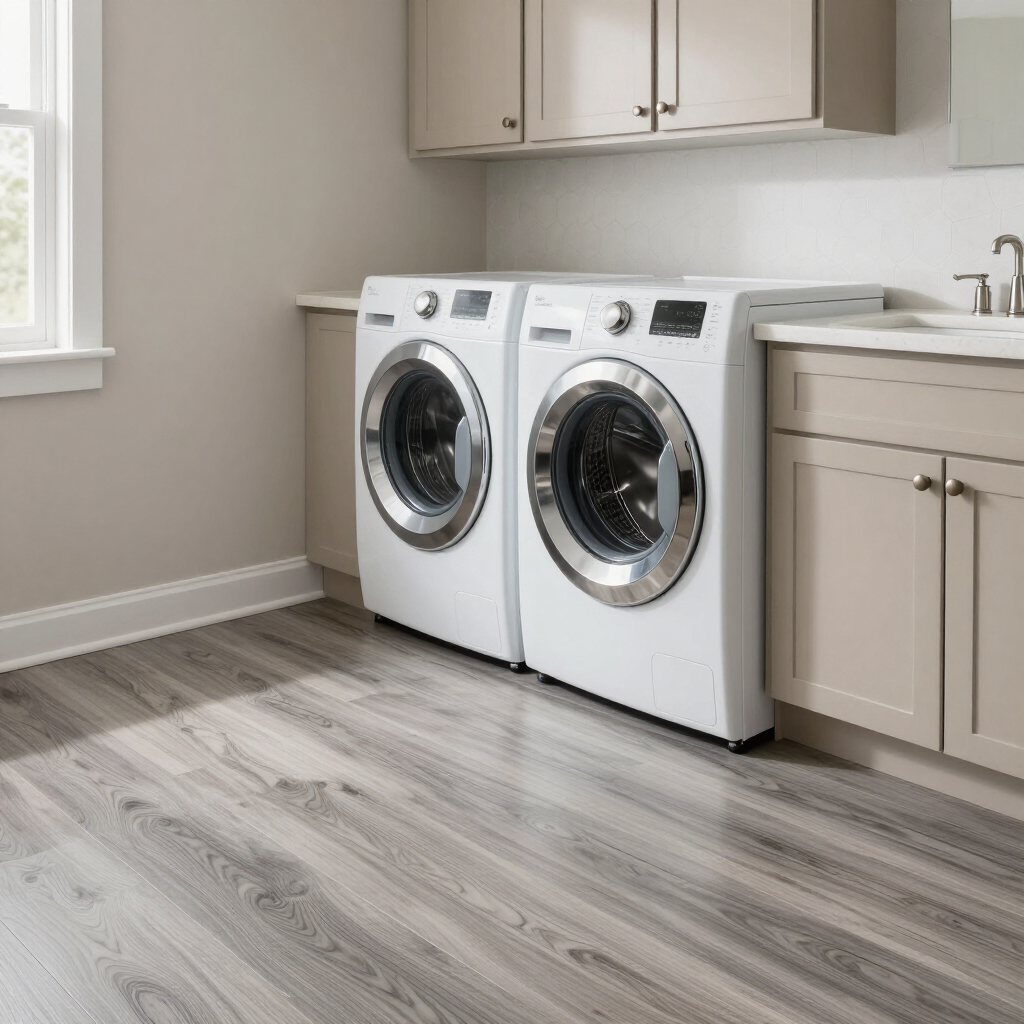
LVP is often better for entryways, hallways, basements, rental properties, pet-heavy rooms, and high-traffic spaces. It is easier to clean and usually handles daily wear better in rooms where carpet would stain or mat down.
Laminate flooring can work in dry bedrooms, offices, dining rooms, and low-moisture living spaces where you want a wood-look floor at a practical price. It needs a flat, stable surface and should be used carefully around moisture.
Sheet vinyl can work well in bathrooms, laundry rooms, utility rooms, and budget-focused wet areas. Waterproof flooring is often the better answer for basements, bathrooms, kitchens, laundry rooms, and spill-prone spaces.
A reliable flooring contractor should help you choose by room, not push one product everywhere.

Questions to Ask Before Buying Carpet on Sale
Before you approve a carpet sale, ask why the carpet is discounted. Is it overstock, clearance, discontinued, a remnant, or part of a manufacturer promotion?
Then ask whether there is enough material for your room, closets, seams, and waste factor. Ask whether the carpet can be reordered later. Ask about fiber type, density, twist, pile height, backing, warranty, and whether the product is appropriate for stairs, rentals, pets, or commercial use.
Most important, ask for the full installed price. That estimate should explain whether padding, removal, disposal, stairs, transitions, furniture moving, subfloor repair, and cleanup are included.
You should also ask whether carpet is truly the best option for the room. In some spaces, discounted carpet is still the wrong floor.
How Residential Flooring Solutions Helps You Compare Carpet Sales
Residential Flooring Solutions starts with the space, not the sale tag. The team looks at traffic, pets, kids, rental turnover, commercial use, moisture risk, cleaning needs, comfort, and budget.
From there, you can compare carpet, LVP, laminate flooring, sheet vinyl, waterproof flooring, and subfloor repair in a practical way. If carpet is the right fit, the team helps you choose the right product and padding. If another material is better, you get a clear explanation before money is spent on the wrong floor.
This is especially useful in Salt Lake County homes and rentals where one property may need multiple flooring solutions. A bedroom may need carpet. A hallway may need LVP. A laundry room may need sheet vinyl. A basement may need waterproof flooring. The right answer depends on how the room is actually used.
A Carpet Sale Is Only a Good Deal If the Whole Project Makes Sense
Carpet stores put carpet on sale for many reasons, including overstock, discontinued products, remnants, seasonal promotions, manufacturer deals, and inventory changes. Some sales are real opportunities. Others are only useful if you understand the fine print.
The sale price should never be the whole decision. The full installed cost, padding, removal, disposal, transitions, stairs, subfloor condition, and room use matter more than the discount.
For carpet installation, carpet replacement, LVP installation, laminate flooring, sheet vinyl, waterproof flooring, commercial flooring, or subfloor repair in West Jordan, South Jordan, and greater Salt Lake County, request a free estimate from Residential Flooring Solutions. Get honest pricing, proper prep, quality materials, and timely installation from a local flooring contractor that helps you understand whether carpet on sale is actually the right flooring decision.