Start With Function Before Style
Flooring is one of the biggest visual surfaces in your home. It affects how bright a room feels, how large a space looks, and whether the home feels modern, warm, traditional, rustic, clean, or high-end. But style should not be the first and only decision.
A floor that looks good but fails early is not the best floor for your home. Entryways need to handle snow, salt, mud, and grit. Living rooms need to handle foot traffic, pets, furniture, and daily cleaning. Bedrooms need comfort and quiet. Basements need moisture-aware flooring. Rental properties need floors that can survive turnover.
The best flooring choice starts with two questions: what look do you want, and what does the room need to handle?
What Is the Best Flooring and Carpet to Match My Home Decor?
The best flooring for your home decor should support the style of the room without fighting the permanent features already in place. Cabinets, counters, trim, wall color, furniture, natural light, and ceiling height all affect how flooring looks once installed.
If your home has warm oak cabinets, a harsh gray floor can clash. If your cabinets are white, you have more flexibility, but undertone still matters. If the room has dark cabinets, a lighter floor can create balance. If your walls and furniture are neutral, flooring can add warmth and depth without overwhelming the space.
A good rule is to complement, not copy. Flooring does not need to match cabinets exactly. In fact, exact matching often creates a flat look. Recent design guidance also warns that trying to match all wood tones can make a home feel one-dimensional, and recommends working with undertone and contrast instead.
Carpet: Best for Warm, Soft, Quiet Spaces
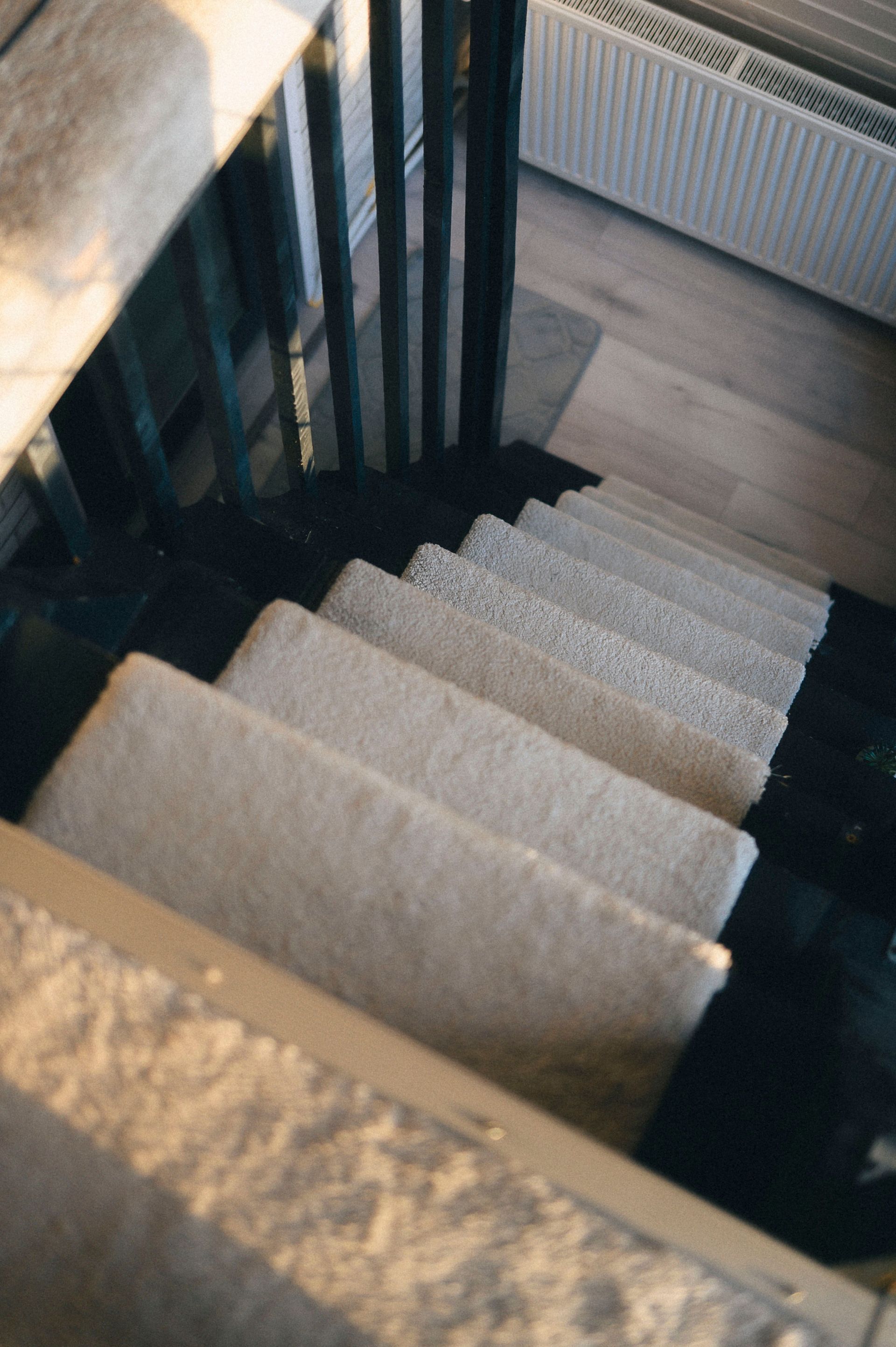
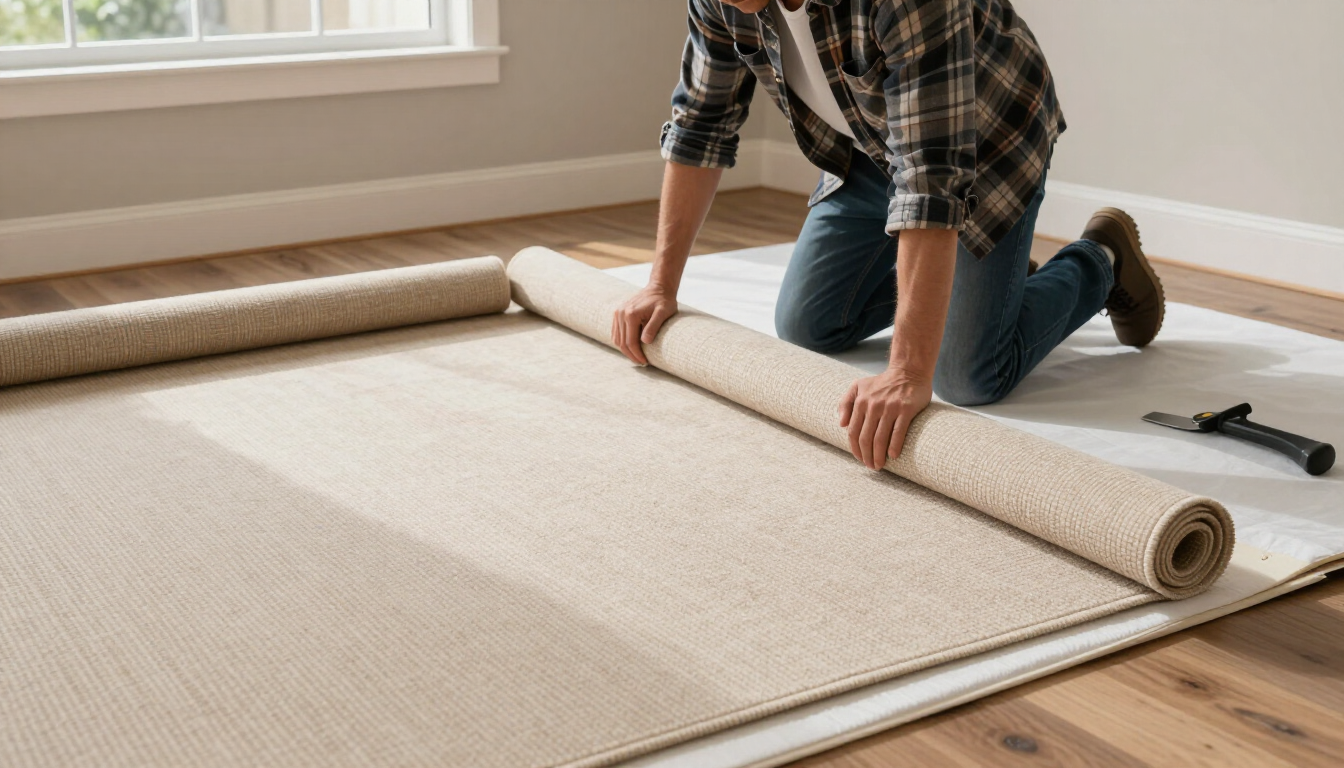
Carpet is still one of the best flooring options when comfort matters. It works well in bedrooms, upstairs rooms, stairs, offices, nurseries, and spaces where warmth and sound control are priorities.
Design-wise, carpet can soften a room. Neutral carpet can make a bedroom feel calm and finished. Textured carpet can hide footprints better than smooth plush styles. Stain-resistant carpet can help in homes with kids or pets. A better pad can make carpet feel more comfortable and support the carpet over time.
The Carpet and Rug Institute explains that cut pile carpet gets durability from
“the type of fiber used, density of tufts, and the amount of twist in the yarn.” That is important because carpet should never be chosen by color alone. Fiber, density, twist, padding, subfloor prep, and professional carpet installation all affect how it performs.
For a primary bedroom in South Jordan, carpet may be the best aesthetic and comfort choice. For a rental hallway in Salt Lake County, carpet may not be the best long-term option. The room decides.
LVP: Best for Clean, Durable, Wood-Look Design
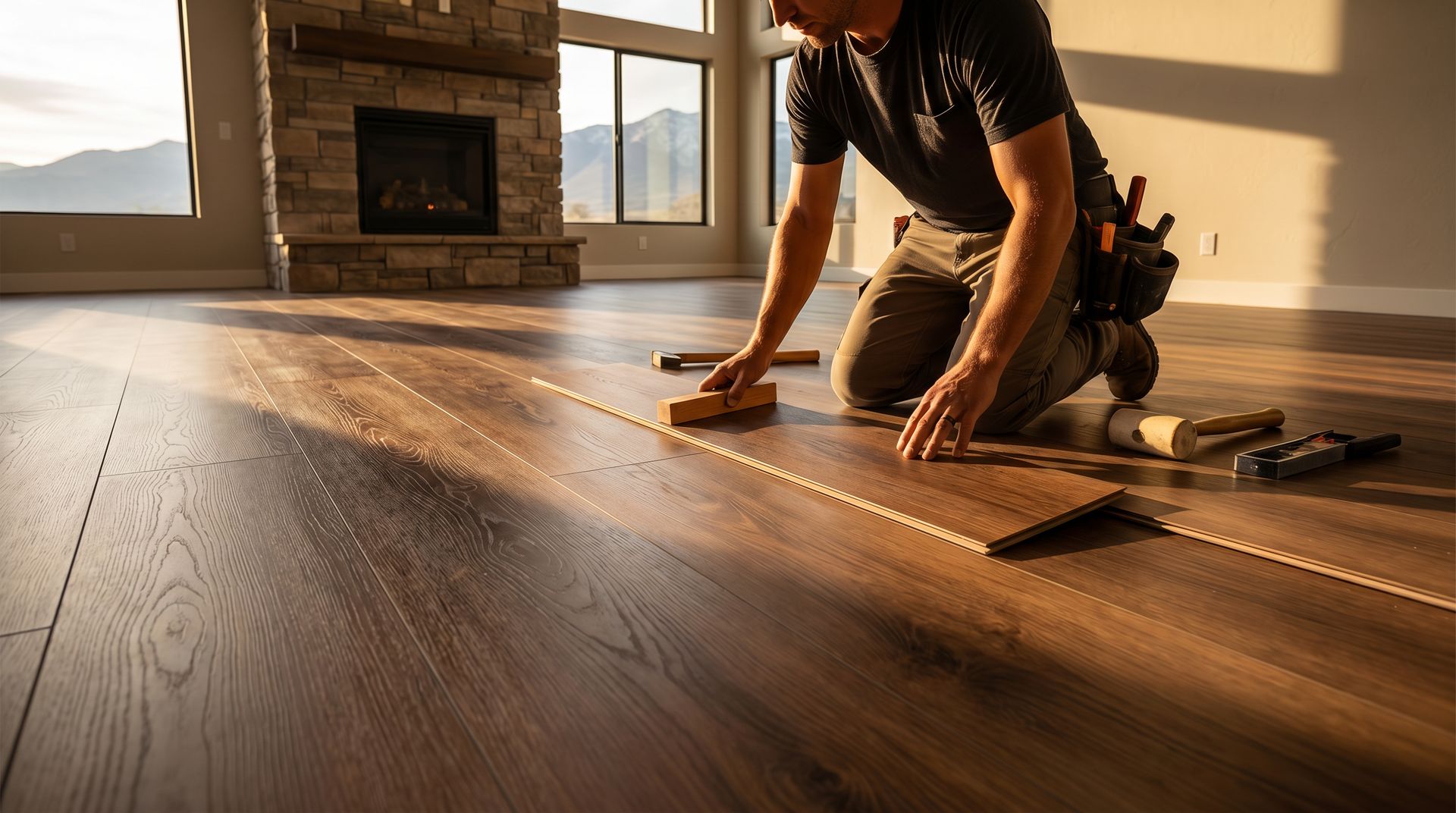
Luxury vinyl plank flooring is popular because it gives you a wood-look surface with practical durability. LVP installation is often a strong choice for living rooms, hallways, kitchens, basements, rental properties, pet areas, commercial spaces, and high-traffic rooms.
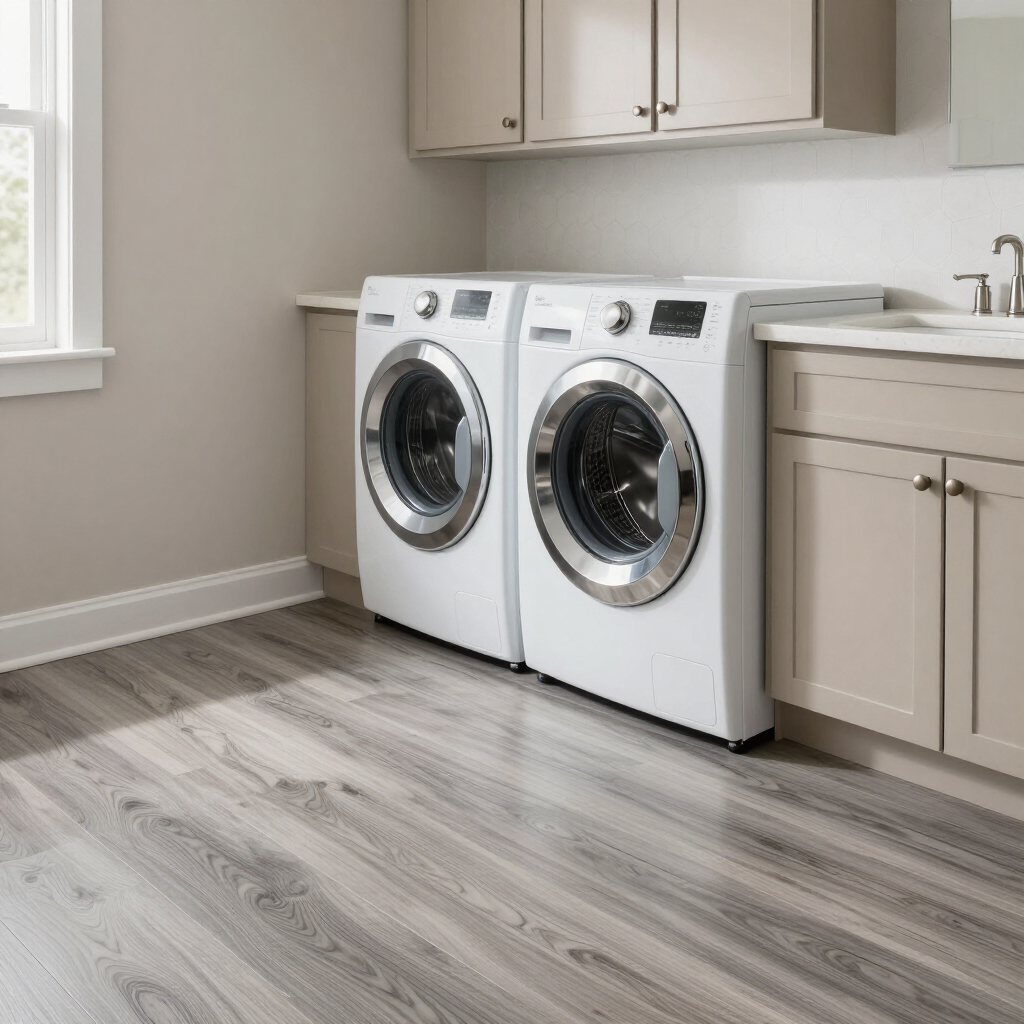
From a design standpoint, LVP can help a home feel cleaner and more connected, especially when used through main living areas. Natural wood tones, warm neutrals, and soft brown or beige tones tend to work well across many home styles. Very gray flooring can work in some modern interiors, but it can feel cold if the cabinets, walls, or lighting are warm.
LVP is often better than carpet where spills, pets, mud, or rental turnover are part of the room. It is also often better than laminate in areas where moisture is a concern. The key is choosing a product that looks good next to the permanent finishes in your home and installing it over a flat, stable surface.
Laminate Flooring: Best for Dry Wood-Look Rooms
Laminate flooring can be a strong option when you want a wood-look floor in a dry room at a practical price. It can work well in offices, bedrooms, dining rooms, and low-moisture living spaces.
Laminate often feels firmer than LVP and can offer realistic wood visuals, but it needs a stable, flat subfloor and careful moisture planning. It is usually not the first choice for bathrooms, laundry rooms, damp basements, or mudrooms.
If you are choosing laminate for aesthetic reasons, bring samples into the actual room. Look at them next to cabinets, trim, furniture, and paint in morning and evening light. A floor that looks warm in a store can look yellow at home. A floor that looks neutral online can look flat or cold in your lighting.
Sheet Vinyl and Waterproof Flooring: Best for Moisture and Utility Spaces
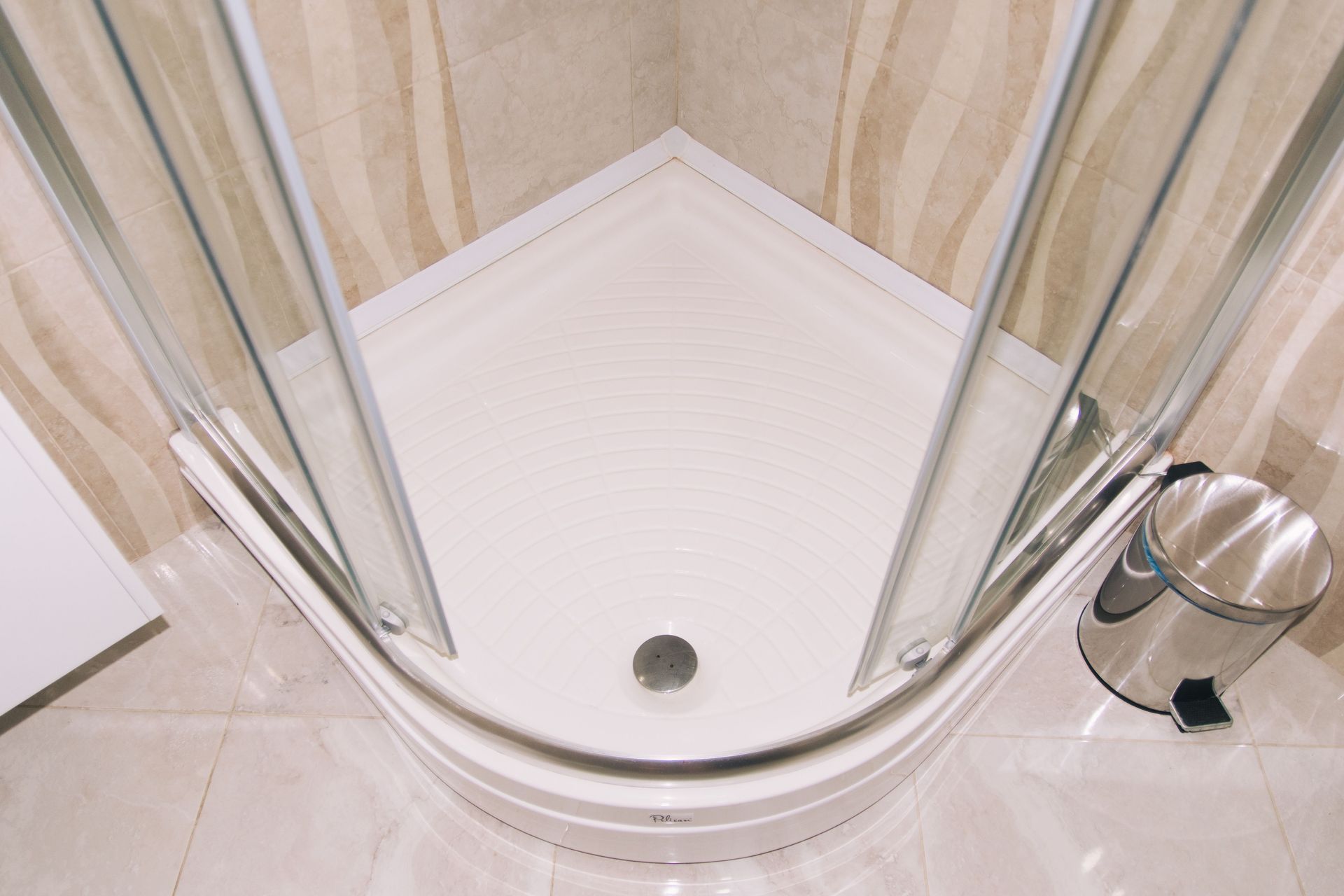
Sheet vinyl is practical for bathrooms, laundry rooms, utility spaces, apartments, and budget-conscious rental updates. It can be water resistant and easy to clean, but the base underneath needs to be smooth because imperfections can show through the surface.
Waterproof flooring is often a better choice for basements, bathrooms, kitchens, laundry rooms, mudrooms, and pet-heavy spaces. It gives you more protection where moisture or spills are common.
Aesthetic decisions still matter in these rooms. A bathroom floor should work with the vanity, shower tile, wall color, and trim. A basement floor should make the space feel clean and finished without ignoring moisture risk. A laundry room floor should look good, but it also needs to handle real use.
Should You Use One Flooring Type Throughout the Whole House?
Using one flooring type through an open layout can make a home feel larger and more cohesive. This often works well with LVP in main living areas because it can connect kitchen, dining, living, and hallway spaces.
However, whole-home consistency is not always the best answer. Bedrooms may feel better with carpet. Bathrooms need moisture-aware flooring. Laundry rooms may need sheet vinyl or waterproof flooring. Stairs may need carpet for grip and sound control. Basements may need LVP or waterproof flooring instead of carpet.
The goal is not to make every room identical. The goal is to make the home feel intentional. You can use different flooring materials while keeping the color palette coordinated. For example, warm neutral LVP in living areas can pair well with soft beige carpet in bedrooms and a neutral waterproof floor in bathrooms.
Flooring Color: How to Choose the Right Tone
Color is where many homeowners get stuck. The safest approach is to choose flooring that works with the fixed elements you are not replacing.
With oak cabinets, avoid floors that are almost the same tone unless the match is intentional and accurate. A slight mismatch between two warm wood looks can feel off. Consider a floor with contrast, such as a softer neutral, muted brown, warm beige, or balanced natural wood tone.
With white cabinets, you can use warm wood looks, natural oak tones, soft taupe, light brown, or darker contrast floors. Just avoid making the room feel too sterile with cold gray floors, cold lighting, and bright white walls all together.
With dark cabinets, lighter flooring can create balance. With modern black or charcoal cabinets, a natural wood-look LVP can warm up the room. With painted cabinets, the floor should support the undertone of the paint.
Always test samples in the actual room. Flooring changes under different light.