Best Flooring for Bedrooms: Carpet vs LVP for Comfort and Quiet
It is 6 AM, the furnace has not kicked on yet, and your bare feet hit the bedroom floor before your brain is fully awake. Three rooms over, someone is padding to the bathroom, and downstairs the dog lifts his head because he heard every single step through the ceiling. Moments like these are why the best flooring for bedrooms is a different question than the best flooring for the rest of the house. A bedroom is the one room you touch with bare skin every day and the room where sound travels furthest when the house is quiet.
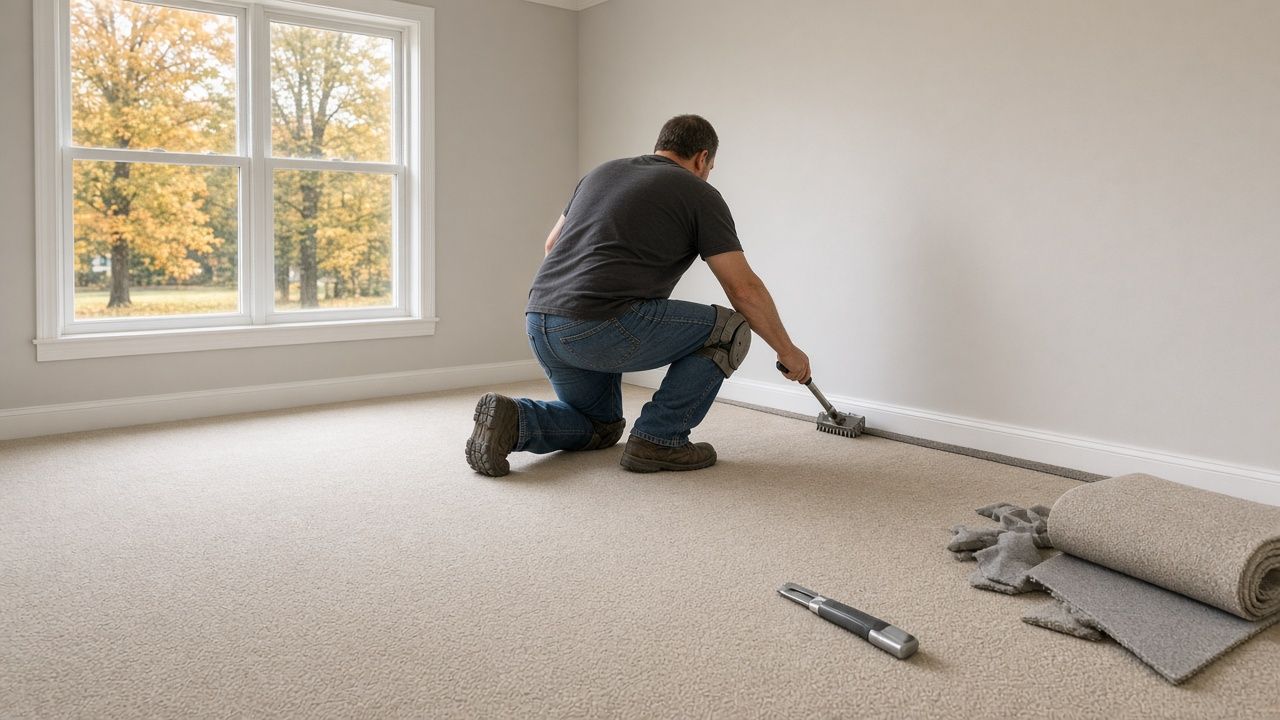
Here is the short version. For most bedrooms, carpet wins on comfort, warmth, and quiet, and that is exactly how we position it. LVP and laminate win where spills, pets, and constant traffic dominate the room. This guide walks through what a bedroom actually needs from its floor, then gives you picks room by room, including the basement bedroom where moisture changes everything. If you want to browse carpet options for bedrooms while you read, our
types of carpet page covers the styles we install, from plush to textured to patterned.
What a Bedroom Actually Needs from Its Floor
Before comparing products, it helps to compare rooms. A hallway is judged by how it wears. A kitchen is judged by how it wipes clean. A bedroom is judged by how it feels at 6 AM and how it sounds at 10 PM. Every filter below comes back to those two moments.
Comfort Underfoot and Warmth on Cold Mornings
Carpet is soft and warm on the first step, and that is not a small thing in a Wasatch Front winter. If your bedroom sits over a garage, backs up to an exterior wall, or faces north, a hard floor will feel noticeably cooler on winter mornings. Carpet holds warmth at the surface because the fibers and the pad beneath them trap air.
Hard floors are firmer and cooler underfoot. With the right underlayment, LVP and laminate provide a comfortable, slightly cushioned feel, but that is a different sensation from plush carpet.
One material note: polyester carpet is soft and naturally stain-resistant, which is why it works so well in bedrooms and other lower-traffic rooms. We install nylon, polyester, textured, plush, and patterned carpet, so the softness you want in a bedroom is easy to find.
Ask yourself one honest question: does anyone in your house sit or play on the bedroom floor? If the answer is yes, whether that is yoga, story time, or a teenager who lives down there, the answer usually points to carpet.
Sound: Footsteps, Echo, and the Room Below
This is where the carpet vs LVP question gets decided in a lot of two-story homes. Carpet absorbs sound. Hard floors reflect it, and an empty bedroom with a hard floor and no rug will echo in a way a carpeted one never does.
The scenario that matters most: an upstairs bedroom sitting over the living room. Every early-morning step transmits down through the floor to whoever is asleep on the couch or reading below. The Carpet and Rug Institute's overview of the
benefits of carpet notes that carpet absorbs sound, which can make it easier to sleep, that a cushion pad reduces noise further, and that carpet helps block sound transmission to rooms below.
Underlayment helps LVP and laminate, and it is genuinely better than nothing, but it does not fully close the gap for the room underneath. If footstep noise to the floor below is a live issue in your house, weight this factor heavily.
Allergies and Everyday Cleaning
Here is the lifestyle-honesty question. Hard floors are easy to wipe. Carpet needs regular vacuuming. That is the whole trade in one sentence.
If your household vacuums weekly, or more often with pets, carpet stays in good shape without much thought. If the idea of a consistent vacuum routine adds stress, a wipeable surface might be the better fit.
Kids, Pets, and the Reality of Bedrooms
Kids' rooms collect juice, markers, and crushed crackers. Dogs spend their nights on bedroom floors, and claws matter on soft surfaces. Cats are cats.
LVP and laminate handle spills and accidents better. Carpet is softer for toddlers learning to walk and for kids who genuinely live on the floor. That is the split, and there is no universal winner because households differ. If you are planning the hallway just outside the bedroom, that connecting space takes more wear than the bedroom itself, and our guide to the
best carpet for high-traffic areas covers how to choose for it.
Resale and Consistency with the Rest of the House
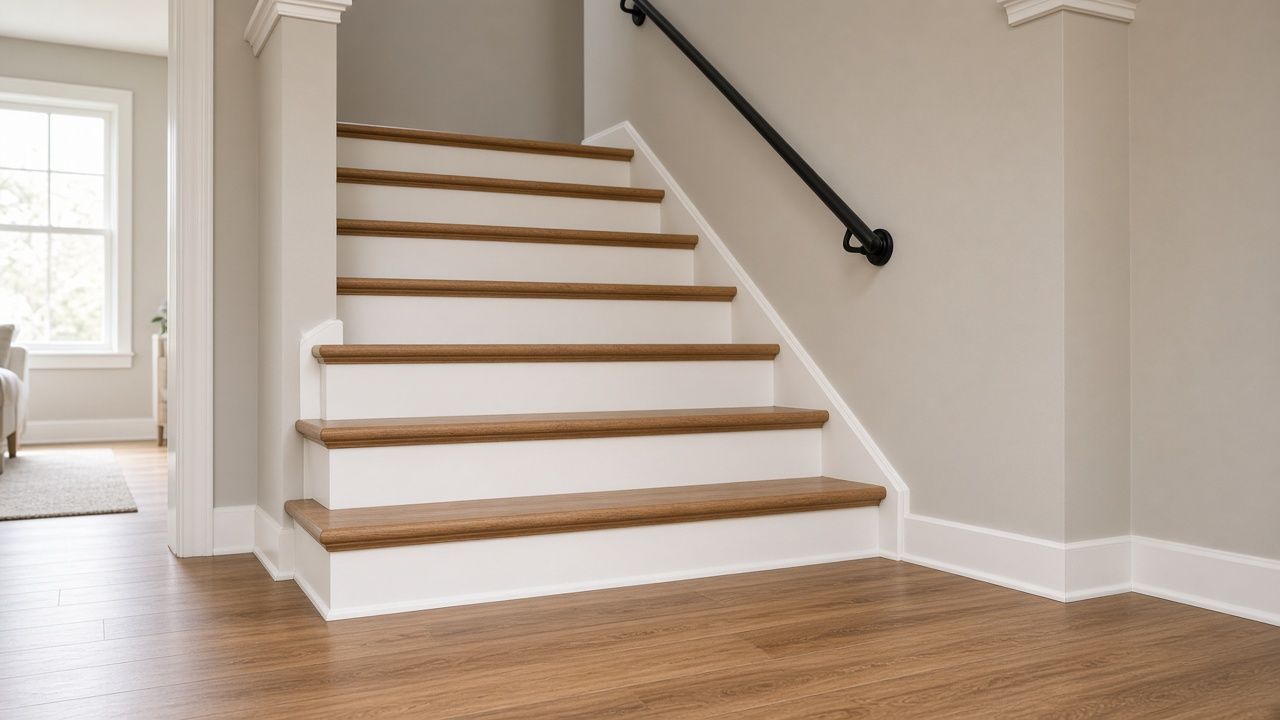
Bedrooms that match the upstairs landing and stairs tend to look intentional, and switching materials in a single bedroom can read as a patch job. The stairs often pull the upstairs choice along with them. A guest room that opens directly off a main-floor hallway sometimes works better matching the main level instead.
Quick Comparison: Which Bedroom, Which Floor

| Bedroom Type | Better Fit | Why |
|---|---|---|
| Primary bedroom | Carpet | Softness, warmth, and quiet; the room you feel with bare feet every morning |
| Kids' room | Carpet, or LVP if spills and pets are constant | Carpet is softer for play; LVP wipes clean after accidents |
| Guest room | Carpet, or match the hallway | Low traffic favors comfort; consistency matters if it opens off a hard-surface hall |
| Upstairs bedroom over a living space | Carpet | Helps cut footstep noise to the room below |
| Basement bedroom | Waterproof-core LVP | Slab moisture risk; a wipeable surface is the safer call |
Best Flooring for Bedrooms, Room by Room
Primary Bedroom
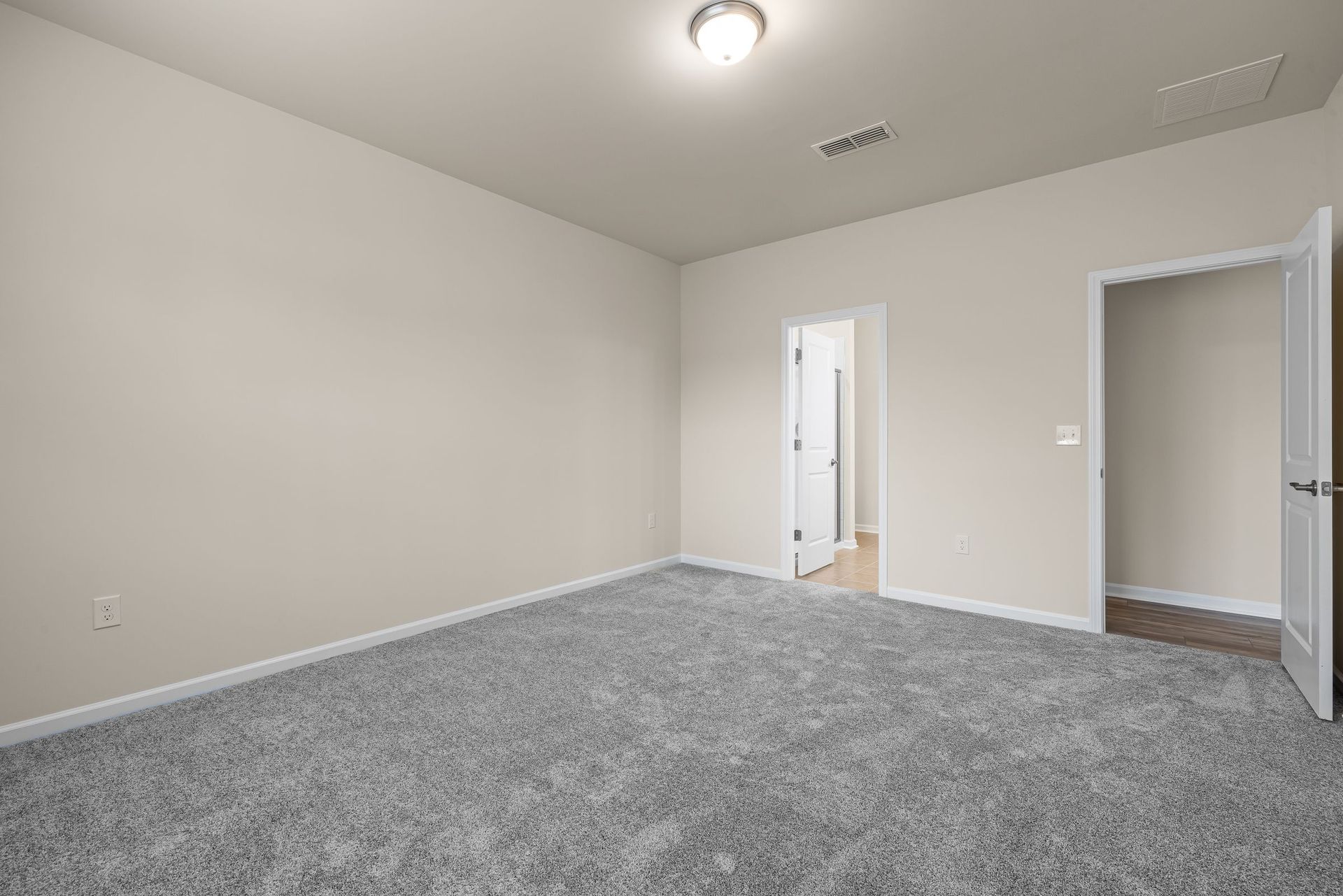
This is the strongest case for carpet in the whole house. Low traffic, high barefoot time, and sleep-critical hours all point the same direction. Plush or textured polyester gives you the softness most people picture for a primary bedroom. If the room doubles as a sitting room or workspace, nylon, the most durable fiber we install, handles the extra traffic better.
Padding matters here more than anywhere, because the pad is what your feet actually land on. Carpet installation through us includes padding selection and installation, plus help choosing the right pad for your carpet type and traffic level. And if your bedroom carpet is a replacement rather than new construction, the old padding is worth a look before you assume it can stay; our post on
when to replace carpet padding explains why.
Kids' Rooms
Split this one by household. Carpet gives you softer landings, quieter play, and warmer floor time. LVP gives you a surface that shrugs off juice, art supplies, and the dog who insists on sleeping in the kids' room. If the room doubles as a playroom, a hard floor plus a washable rug is a sensible middle path.
Guest Room
A guest room sees occasional traffic, so comfort wins by default and carpet is the natural pick. The one caveat: if the guest room sits on the main floor and opens off a hard-surface hallway, matching the main level can look more cohesive than introducing carpet in one doorway.
Upstairs Bedroom Over a Living Space
This is the scenario from the opening. Carpet with a good pad is the strongest answer for footsteps carrying to the room below. If hard floors upstairs are non-negotiable, be honest with yourself about the limits: underlayment softens impact noise but does not eliminate it, and area rugs over the traffic path help take the edge off.
Basement Bedroom
Moisture changes the math entirely. A below-grade slab can carry moisture that a second-floor subfloor never will, and a finished basement bedroom needs a floor that tolerates it. Waterproof-core LVP is the fit here. We cover the moisture, use, and prep considerations in detail in our guide to the
best flooring for basements. An area rug beside the bed brings back some of the morning softness.
Options in Between: When You Want Both
You do not have to pick all or nothing.
LVP or Laminate with Area Rugs
Put down a hard floor for spills and pets, then add rugs for warmth and sound where it counts: bedside, the traffic path, the reading corner. This combo works especially well in basement bedrooms and kids' rooms where the mess risk is high but the 6 AM barefoot factor still matters. Our
LVP and laminate flooring page covers the floating and glue-down options we install.
Laminate in Dry Upstairs Rooms
For homeowners weighing carpet vs laminate in an upstairs bedroom with no moisture concerns and moderate traffic, laminate is a reasonable choice. It still needs area rugs to compete with carpet on warmth and quiet, so treat it as a hard floor with soft accessories rather than a carpet substitute. Run the laminate vs carpet question the other way and the answer holds: if comfort leads, carpet wins the room.
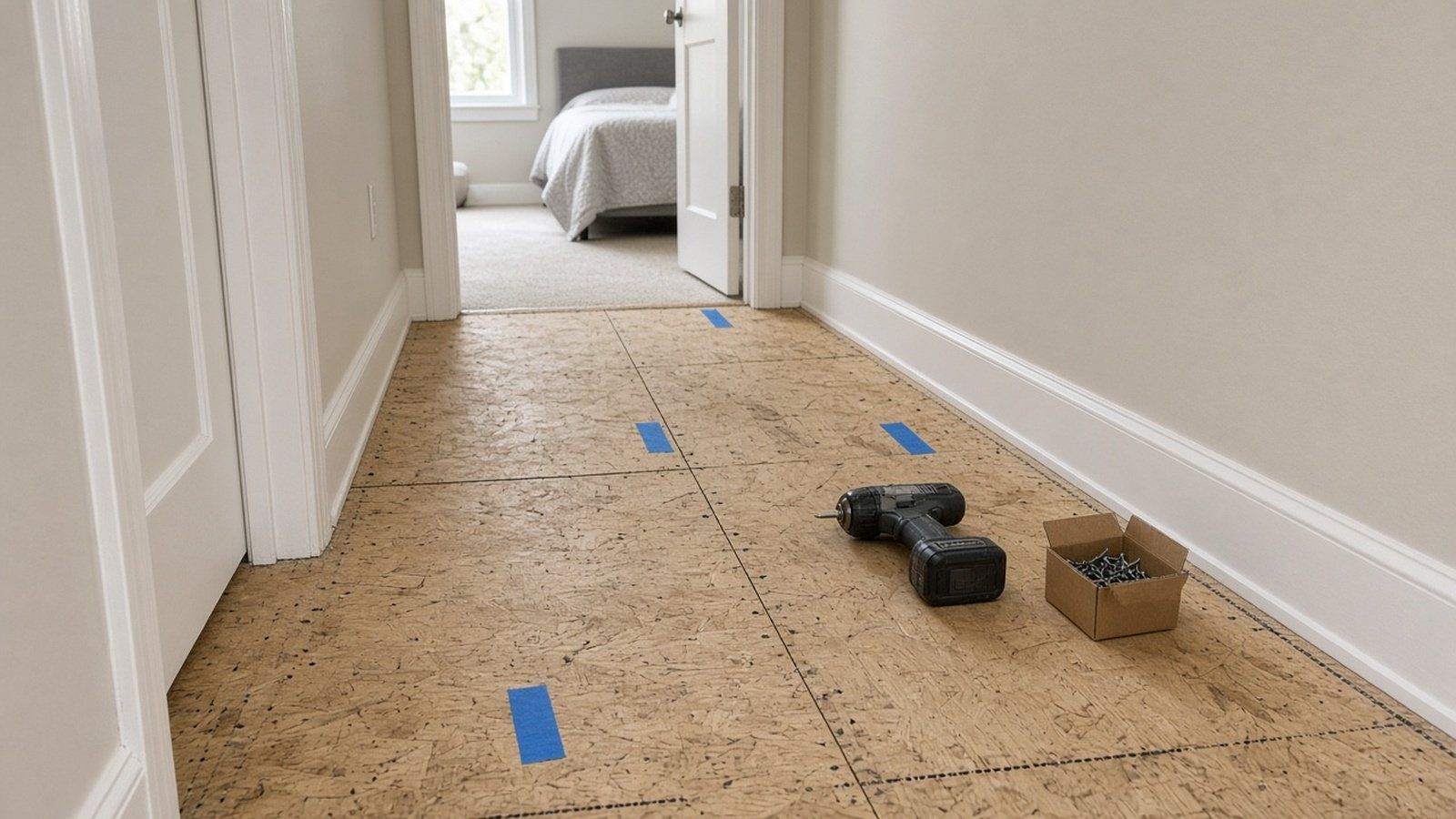
One mistake worth avoiding across all of this: deciding the product before anyone has actually measured the room. Subfloor condition, transitions, and closet layout can change the answer, which is why we look at the room before we quote anything.
Get Your Bedrooms Measured
The one-line decision: carpet when comfort, warmth, and quiet lead the list, waterproof-core LVP when moisture, spills, and pets lead, and the rug-over-hard-floor combo when your household wants both.
We are a family-owned flooring company based in West Jordan, serving Salt Lake and Utah counties. We are licensed and insured, Flooring Contractor License S220, and we offer free in-home estimates. A flooring advisor can walk your actual bedrooms with you, check the subfloor and transitions, and help you choose between carpet and hard surfaces room by room, because the right answer for your primary bedroom is not always the right answer for the basement.
Schedule your free in-home estimate or call (801) 907-1908.