Best Flooring for Basements: Choose for Moisture, Use, and Prep - Not Just Looks
Basement flooring decisions go wrong when you start with a sample board and skip the room itself. Below grade, you are dealing with cooler slabs, higher humidity risk, and less forgiveness when water shows up. The best flooring for basements is the one that matches your moisture reality and how you will actually use the space, then gets installed over a prepared base.
Residential Flooring Solutions installs waterproof flooring, LVP and laminate, sheet vinyl, and carpet for homeowners across the Wasatch Front. This guide helps you narrow the choice before you commit to materials or an estimate visit.

Start with moisture and how you will use the basement
Your basement is not a spare upstairs bedroom. Concrete can transmit moisture vapor. Seasonal storms can stress foundations. Cold surfaces invite condensation when indoor air is humid. The U.S. EPA notes that water can enter homes by seeping through basement floors, and that moisture control is the foundation of mold prevention.
Before you shop styles, answer three questions:
- Has this basement ever been damp, musty, or wet? Any yes answer pushes you toward fully waterproof systems and away from carpet or standard laminate.
- What will the room be? A theater, guest suite, kids’ playroom, home gym, laundry, or storage area each stress flooring differently.
- Is the slab flat, solid, and clean? Soft spots, cracks, and uneven areas need attention before new flooring goes down.
EPA moisture guidance also recommends keeping indoor humidity in a practical range (ideally about 30–50% relative humidity when possible) and drying wet materials promptly after leaks. Flooring cannot fix an active water problem. If you still have seepage, address drainage and moisture sources first, then choose a floor that can tolerate below-grade conditions.
Waterproof LVP: usually the best all-around basement floor
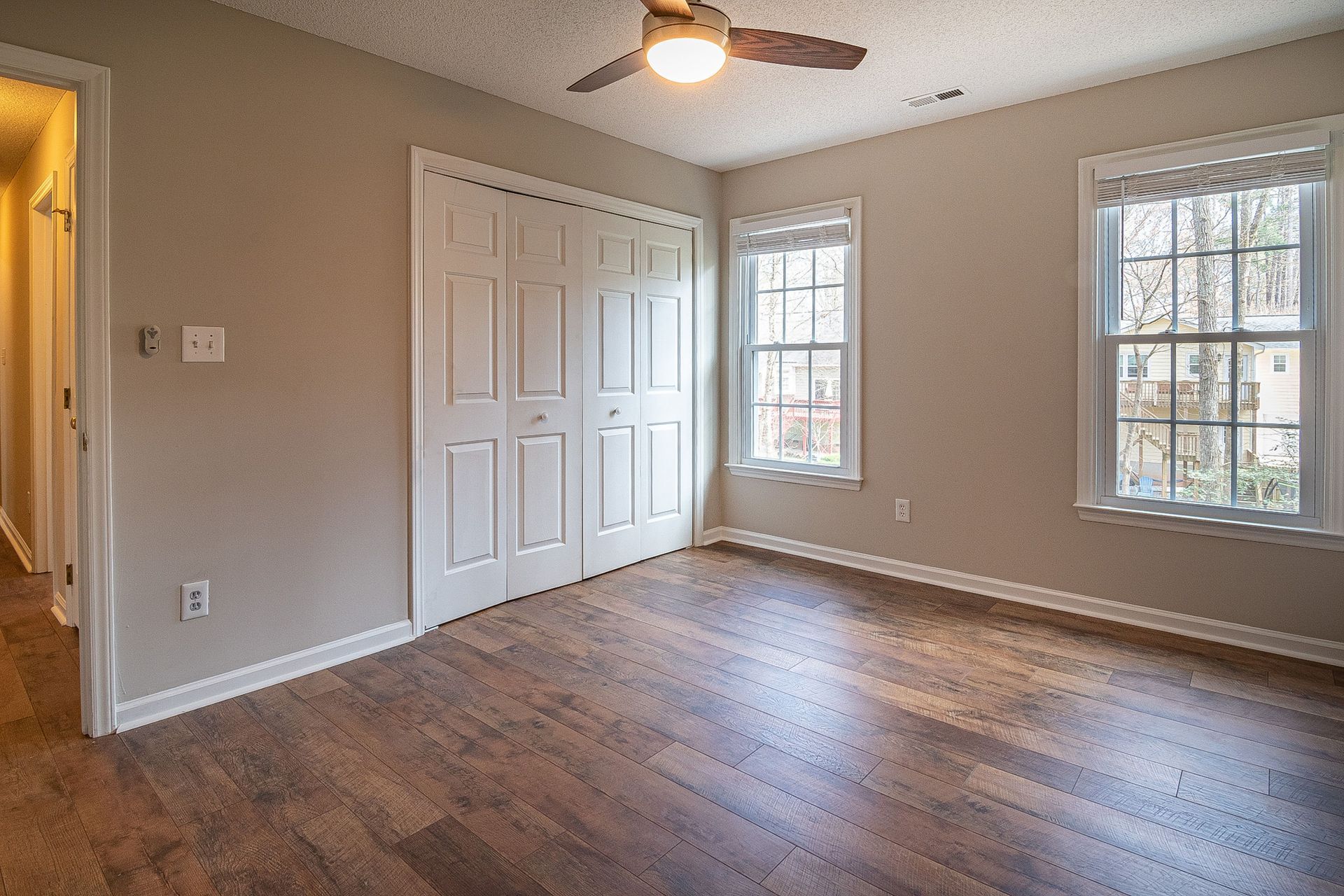
If you want a finished living space that still looks like wood or stone, waterproof flooring (especially waterproof luxury vinyl plank with a WPC or SPC core) is typically the strongest match. RFS positions these products for basements, bathrooms, laundry rooms, and other moisture-prone areas, with wood-look and stone-look designs and mold- and mildew-resistant product options.
Why this category wins so often downstairs:
- A waterproof core is different from “water-resistant.” On the RFS waterproof flooring page, waterproof WPC/SPC-core LVP is described as a core that will not swell, warp, or delaminate when exposed to water, while water-resistant floors may handle spills but not prolonged exposure.
- It handles real life. Scratch- and dent-resistant wear layers matter in playrooms, pet homes, and high-traffic family rooms.
- Maintenance stays simple. Sweep, vacuum, or damp-mop, without the refinishing cycle of real wood.
- It supports below-grade installs when prep is done right. RFS notes moisture-barrier recommendations for many basement and below-grade jobs, assessed during the estimate.
If you are comparing broader LVP and laminate options, use the basement moisture test as your tie-breaker. LVP with a waterproof or highly moisture-tolerant construction belongs in more basement scenarios than conventional laminate.
Sheet vinyl when seamless moisture resistance matters
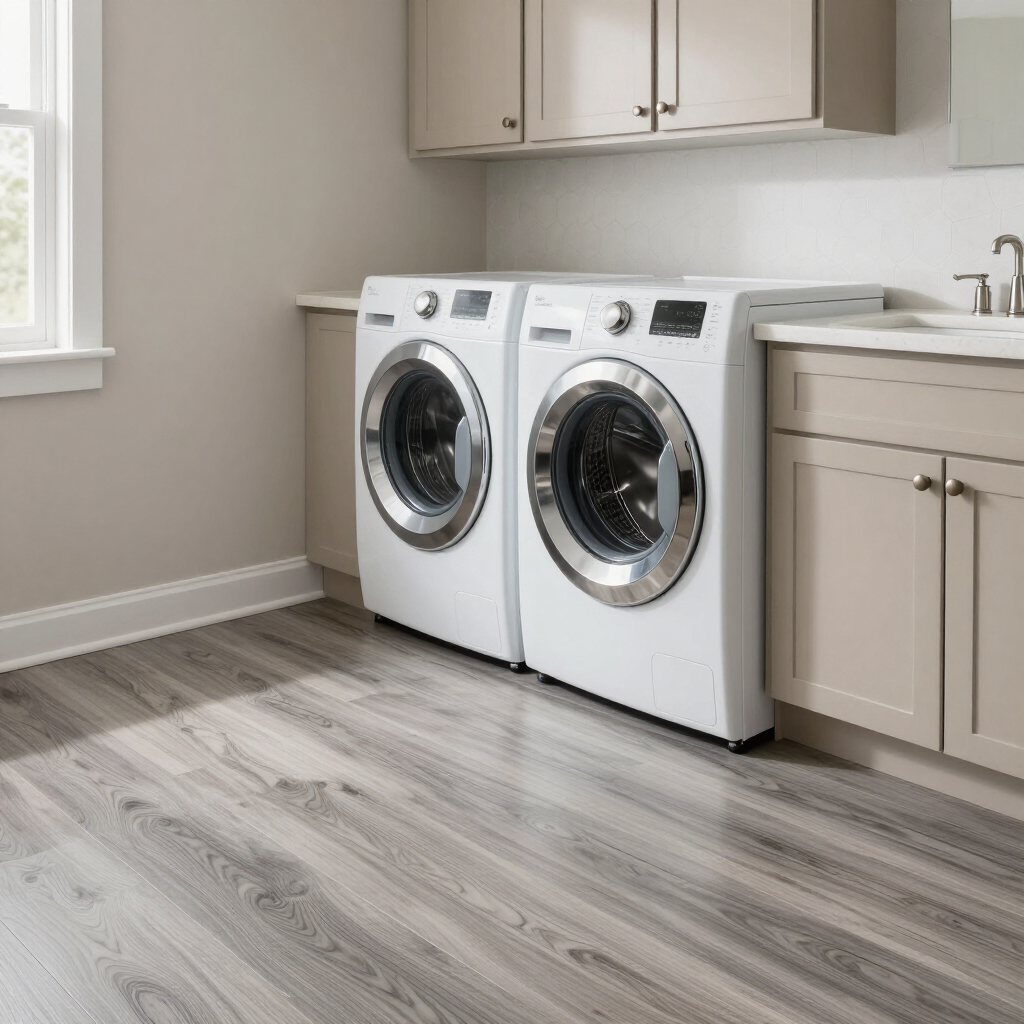
Sheet vinyl is not always the trendiest sample, but it solves basement problems well in the right rooms. It installs in large sheets, so you get a continuous surface without grout lines where dirt and water collect. RFS highlights sheet vinyl for kitchens, bathrooms, laundry rooms, and utility spaces, and calls out moisture resistance, comfort underfoot, and budget-friendly value.
Choose sheet vinyl for basements when:
- You need a practical laundry or utility area more than a hardwood lookalike.
- You want fewer seams in a splash-prone zone.
- You are outfitting a rental or cost-sensitive space and still need moisture toughness.
It is less often the first pick for a showpiece family room if you want wide-plank wood visuals. That is where waterproof LVP usually takes the lead. Both can be correct; they serve different rooms.
Carpet downstairs: comfort with clear limits
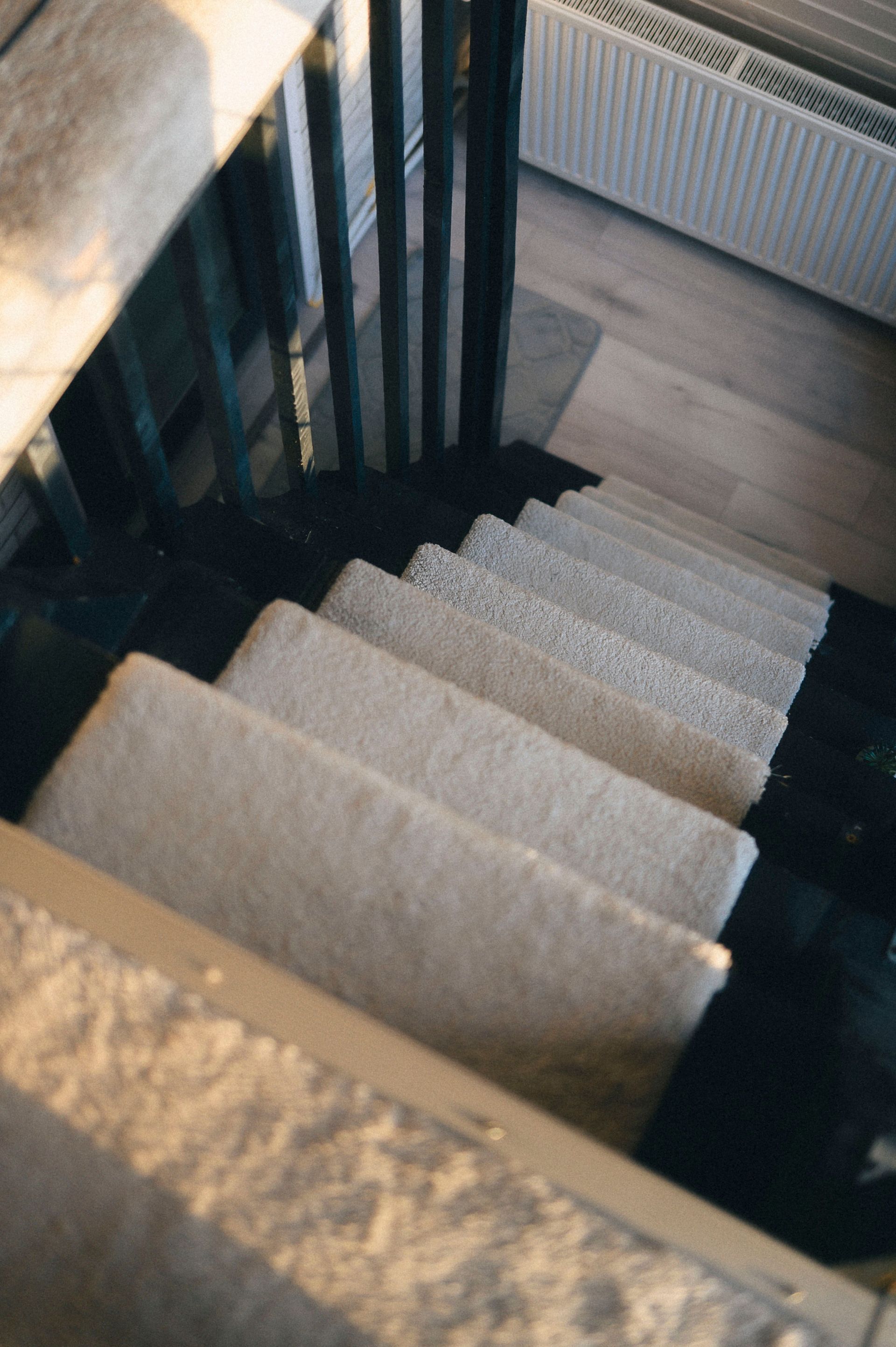
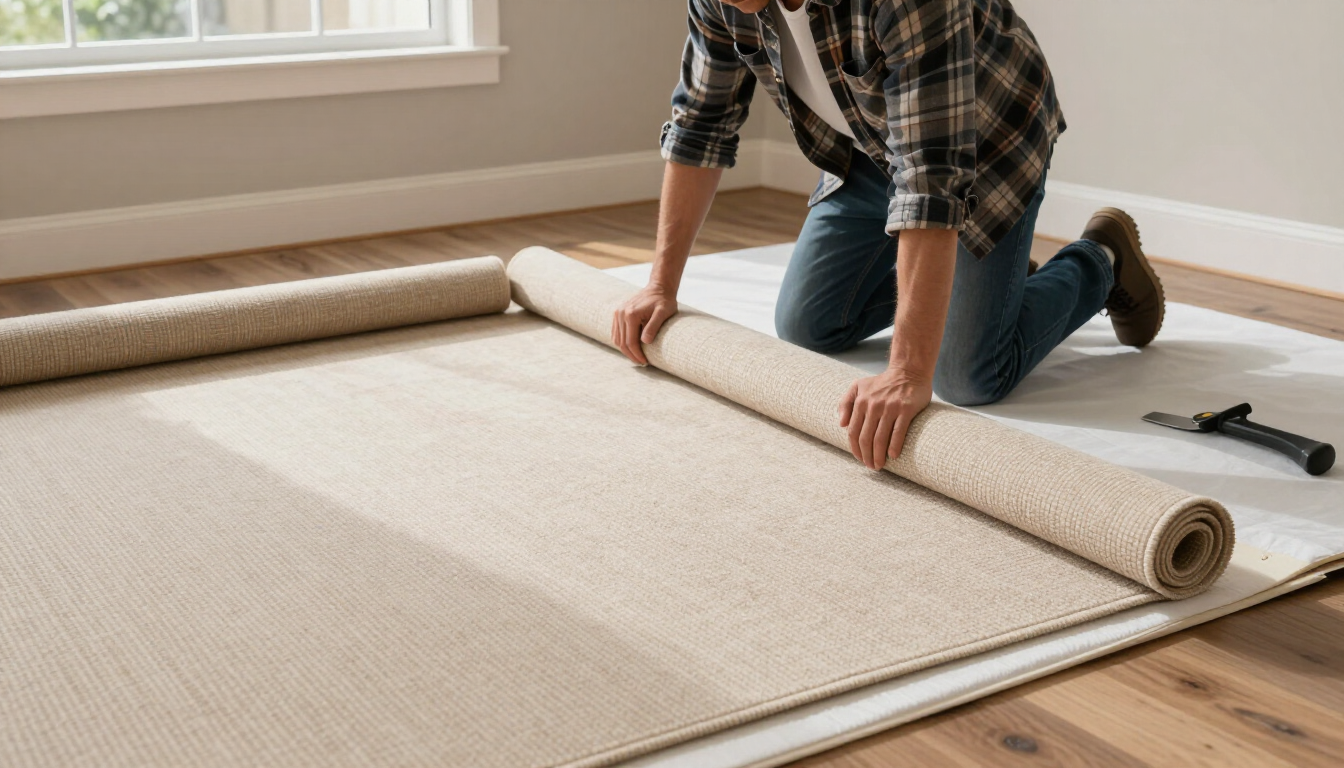
Carpet still belongs in some basements. It adds warmth on cold slabs, softens sound for theaters and playrooms, and can make a guest suite feel finished. RFS installs residential carpet with padding and can help you match fiber and style to the room. See carpet installation and types of carpet.
Be honest about risk. The EPA specifically warns that carpet on concrete can absorb moisture and support biological growth if conditions are wrong, and suggests moisture-management measures when carpet must go over concrete. If your basement has a damp history, wall-to-wall carpet is rarely the first recommendation.
If comfort is non-negotiable and the space stays dry, carpet can still work, especially with solid prep, the right padding strategy, and a plan for humidity control. Treat “dry” as a measured condition, not a hope.
What usually fails below grade
Not every beautiful floor belongs downstairs.
Standard laminate often has a wood-fiber core. RFS’s LVP vs laminate guidance draws the line clearly: LVP can be suitable for wetter areas, while laminate is water-resistant but not fully waterproof. In a basement with humidity swings or any flood risk, that distinction matters.
Solid hardwood is a poor basement candidate for the same moisture reasons. Even engineered wood only belongs in below-grade spaces when moisture conditions are proven stable, and it is not the primary waterproof pathway RFS emphasizes for basements.
Skipping prep fails as often as choosing the wrong material. Uneven slabs telegraph through rigid planks. Soft spots become callbacks. Moisture ignored under a “waterproof” floor can still create odor, edge issues, or adhesive problems depending on the system.
Basement flooring options at a glance
No installed prices are listed here because RFS provides project pricing through measurement and written estimates, not generic public square-foot rates.

| Flooring type | Best basement fit | Moisture stance (as positioned on RFS site) | Watch-outs |
|---|---|---|---|
| Waterproof LVP (WPC/SPC) | Finished living rooms, playrooms, guest spaces | Waterproof core; basement-ready among RFS waterproof options | Still needs flat, dry-enough prep and moisture assessment |
| Sheet vinyl | Laundry, utility, budget moisture-prone zones | Highly water-resistant; seamless sheet | Different look than plank floors; wear layer drives lifespan |
| LVP / laminate (general) | Dry-to-moderate spaces when product is matched carefully | LVP stronger for moisture; laminate not fully waterproof | Do not treat all “wood-look” floors as equal below grade |
| Carpet | Dry finished rooms where comfort and sound matter | Soft and warm; not a waterproof system | Risky over damp concrete; humidity control matters |
Prep the slab and subfloor before you fall in love with a sample
A basement floor is only as good as what sits under it. RFS’s subfloor repair work covers squeaks, soft spots, leveling, damaged panel replacement, concrete patching, and moisture-barrier installation when the job calls for it. That prep is not an upsell; it is how locking systems stay tight and surfaces stay quiet.
During a typical RFS process you can expect:
- An in-home estimate with measurements and material guidance.
- Help choosing products that fit traffic, style, and moisture needs.
- Scheduled installation with licensed installers, including next-day availability on select jobs (as offered on the site).
- A final walkthrough before the crew packs up.
Ask specifically about moisture evaluation for below-grade rooms. Product pages note that moisture barriers are often recommended for basement installs and that recommendations are made after seeing the space.
A practical decision path
- Fix active water issues if you have them. Flooring is not waterproofing for the foundation.
- If the basement will be a living space and moisture risk is real, prioritize waterproof LVP / waterproof flooring systems.
- If the room is laundry or utility-focused, compare waterproof hard surfaces with sheet vinyl.
- If the basement is consistently dry and comfort is the priority, carpet can enter the shortlist.
- Budget conversations belong in the estimate, including RFS financing options discussed case by case, not guessed from national averages.
- Confirm coverage on the service areas page (West Jordan base, Salt Lake County and surrounding Wasatch Front).
Get measured before you buy materials alone
Showroom samples cannot see your slab. A visit lets you confirm moisture conditions, square footage, transitions, stairs, and prep needs before you commit. Residential Flooring Solutions is a licensed, family-owned contractor based in West Jordan (Flooring Contractor License S220 on site) and offers free in-home estimates without pressure.
Request your free estimate or call (801) 907-1908. Bring your room goals (theater, rental suite, kids’ zone, or clean storage) and you will leave with a clearer product path than any “best basement flooring” list alone can give you.