The prep work that decides whether the floor lasts
Bathroom floors are won or lost in prep. The product is only as good as what sits under it and how its edges are detailed.
Small rooms with fixed obstacles telegraph every hump and dip. Manufacturers publish flatness tolerances for a reason, and installers meet them by measuring, not guessing. Across many Wasatch Front neighborhoods, tract homes from the 1960s through the 1990s often carry plywood subfloors with high spots, old patches, or evidence of a past leak near the toilet. None of that is unusual. It has to be found and addressed, which is what
subfloor repair is for.
Moisture moves in two directions. It can rise through a concrete slab in slab-level baths. It can also arrive from failed toilet seals, tub surrounds, supply lines, or shower enclosures. During an estimate, look for staining, softness, musty odor, prior patching, and discoloration around the flange. The
U.S. EPA treats moisture control as the starting point for mold prevention. If a bathroom floor is soft or smells musty, repair first, floor second.
Covering damage instead of fixing it is the classic failure pattern: a waterproof floor goes down over a damaged subfloor, traps moisture, and turns a small repair into a full tear-out later. Between product and subfloor sits whatever layer stack the manufacturer requires (attached pad, separate underlayment, or moisture barrier on some slabs). In a bathroom those layers are requirements, not extras.
Installation realities unique to bathrooms
A proper bathroom floor almost always means pulling the toilet. Floor thickness changes can affect flange height, and a correct reset needs a fresh seal. Confirm during the estimate who handles the pull and reset, and whether any plumbing repair belongs with a plumber.
Follow the water path and you find the detail points that decide performance:
- Tub or shower edge
- Toilet flange cutout
- Vanity toe kick
- Doorway transition
- Perimeter walls along wet runs
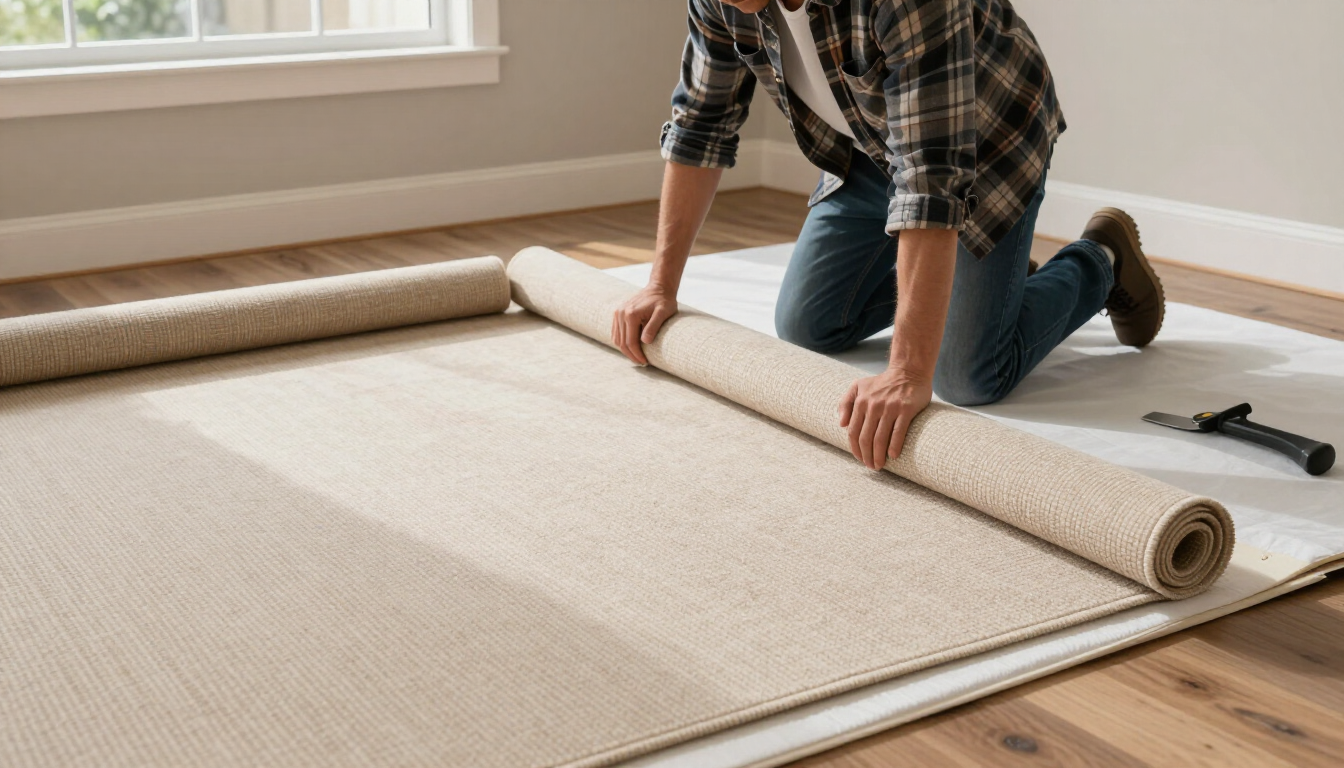
Floating installs are common and depend heavily on flatness and edge detailing. Adhered installs suit some vinyl products, wet areas, and slab baths. Neither is universally right. The correct call depends on product, subfloor, and room.
On paper a bathroom is a small square footage. In labor it is tight cuts, fixture work, and detailing. Expect the labor to reflect that, not just the footprint. For broader sequencing questions, see
what to expect during flooring installation. Do not treat bathroom jobs as automatic next-day installs.
What local homes add to the equation
Hard water is common here, and mineral spotting shows most on darker gloss finishes. A mat at the tub edge and one at the entry help protect the wear layer from wet feet and winter grit. The climate contrast is real too: dry outdoor air and a steamy bathroom every morning. If the room stays humid long after the shower ends, fix ventilation before you buy flooring. Moisture that never leaves eventually finds materials, which is why EPA moisture guidance keeps coming back to control at the source.
Framed plywood subfloors are common in older Wasatch Front neighborhoods, with condition varying home to home. Newer construction often means cleaner framing, but slab-level baths still appear. Confirm coverage on the
service areas page.
Matching the floor to the bathroom you actually have
A full family bath with a tub and kids is the hardest case: prioritize minimal seams, slip-aware surfaces, and easy cleanup. A powder room widens options because moisture exposure is lower. A primary ensuite sits in between: balance the spa look with real wet-area detailing.
For rentals and busy households, seam count, repairability, and neutral visuals matter. Plank can make localized repairs easier; sheet vinyl can win on seam count. Pets, claws, and accidents favor waterproof-core products, but pet-wide comparisons belong in RFS's existing pet flooring guide rather than here. On cold mornings, vinyl products generally feel warmer underfoot than tile.