Best Carpet for Stairs: What Holds Up When Every Step Hits the Nose
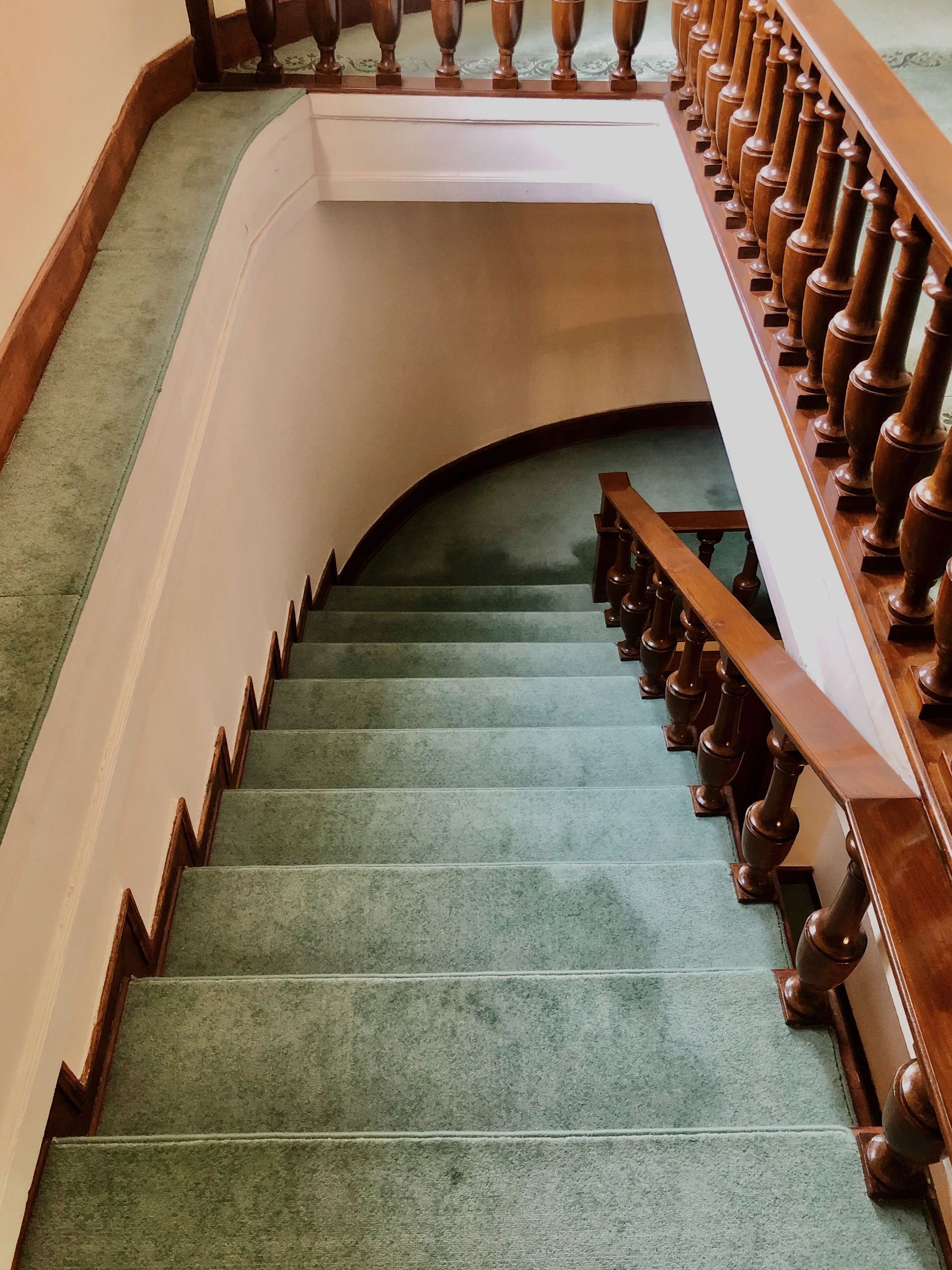
Stairs reveal carpet mistakes faster than almost any other room. The front edge of each tread (the nose) takes concentrated foot traffic, so fibers crush, patterns fade in a stripe, and a too-soft plush that felt great in the showroom starts looking tired within a year or two. If you have kids in socks, pets that launch from the landing, or anyone who needs more traction than bare wood, the best carpet for stairs is the one built for that abuse, not the one that only feels plush under a flat living-room foot.
Residential Flooring Solutions installs residential carpet with padding for Utah homes from its West Jordan base. This guide is general information to help you narrow samples before a free in-home estimate. Product performance still depends on the specific carpet, padding, stair construction, and installation details confirmed on site.
Why stairs are harder on carpet
A bedroom carpet spreads traffic across a wide field. A staircase funnels every trip through the same narrow landing zone.
That means wear concentrates on the nose, tall soft piles can feel unstable on the tread edge, seams and pile direction show clearly, soft cushion can make the nose feel mushy, and loose edges are a safety issue rather than only a cosmetic one.
Homes here also track grit from winter boots. You do not need a special climate-only carpet SKU, but you do need a product that handles concentrated traffic and a crew that wraps stairs tightly.
Best carpet for stairs: priorities that actually matter
When homeowners ask for the best carpet for stairs, they often start with color. Start with performance specs instead, then pick the look that still meets those specs.
1. Fiber that recovers from crush
For most busy family staircases, a resilient synthetic fiber is the practical starting point because it springs back after repeated compression on the nose of each tread.
Nylon is the usual workhorse for stairs because it springs back after compression.
Polyester can work for lighter traffic when stain resistance matters.
Wool can feel excellent but is less common as a default for busy household stairs.
Use room use (kids, pets, rentals, guests) as the filter, not the softest hand feel alone. For a broader overview of styles and constructions, see types of carpet.
2. Construction: cut pile vs loop
Cut pile (including many textured and frieze styles) is often the safer pet choice because there are no loops for claws to catch. A dense, shorter cut pile also tends to sit cleaner on a stair nose than a tall plush.
Loop pile / Berber can be durable and hide soil, but loops can snag. If cats knead or dogs scramble the stairs, a snagged loop can run. If you love a loop look, ask specifically whether the product is appropriate for stairs and pets.
3. Pile height and density
For stairs, lower pile usually outperforms thick plush. Shorter fibers are easier to vacuum, less likely to feel unstable on the nose, and often keep a neater wrap on the tread. Density (how tightly yarns are packed) matters as much as height: a short, dense carpet generally outlasts a tall, sparse one on stairs.
Industry guidance commonly points heavy-traffic zones (halls, stairs, entry-adjacent paths) toward shorter pile and firmer cushion rather than bedroom-style plush. Treat manufacturer and installer recommendations as the final word for the product you buy.
4. Color and pattern that hide the wear stripe
Darker tones, heathers, and busy textures hide the early traffic stripe on noses better than solid light plush. Patterned goods can look great, but patterned stair installs need more planning for match and waste. Texture carpets are often easier to seam and wrap cleanly.
| Option | Stair fit | Watch-outs |
|---|---|---|
| Dense nylon, low-medium cut pile | Strong default for busy family stairs | Still needs firm pad and tight install |
| Polyester cut pile | Lighter traffic; stain-focused homes | May crush sooner on heavy noses |
| Loop / Berber | Durable look; can hide soil | Snag risk with pets; confirm stair suitability |
| Thick plush / soft high pile | Rarely ideal on stairs | Unstable feel on nose; faster crush |
| Hard surface (LVP, etc.) on stairs | Different project; traction and stair-nose profiles matter | Not a carpet substitute without proper stair components |
Stair carpet options at a glance
Padding, treads, and what sits underneath
Carpet on stairs is a system: face fiber, cushion, fastening method, and the condition of the treads themselves.
- Cushion: Heavy-traffic areas such as stairs usually need thinner, firmer cushion than a plush bedroom pad. Soft, thick pad under stairs can accelerate wear on the nose and feel spongy underfoot. The Carpet and Rug Institute publishes carpet care guidance; follow the carpet and cushion manufacturer requirements for the product you select, including warranty conditions.
- Tread condition: Loose nosings, squeaks, damaged wood, or uneven repairs should be addressed before new carpet goes down. Soft spots may need subfloor repair before adjacent surfaces are finished.
- Existing fasteners: Old staples, tack strip, and adhesives may need removal or replacement for a clean, secure install.
Skipping prep to save on stairs usually shows up as early wrinkles, hollow spots, or edges that lift.
Why stair work is its own skill
Open rooms stretch differently than a run of treads and risers. Stair carpet is typically wrapped and secured step by step. Two common finished looks are:
- Waterfall: carpet runs over the nose and down to the next riser in a simpler cascade.
- Hollywood (cap and band): carpet is wrapped tightly to the tread profile for a more tailored look.
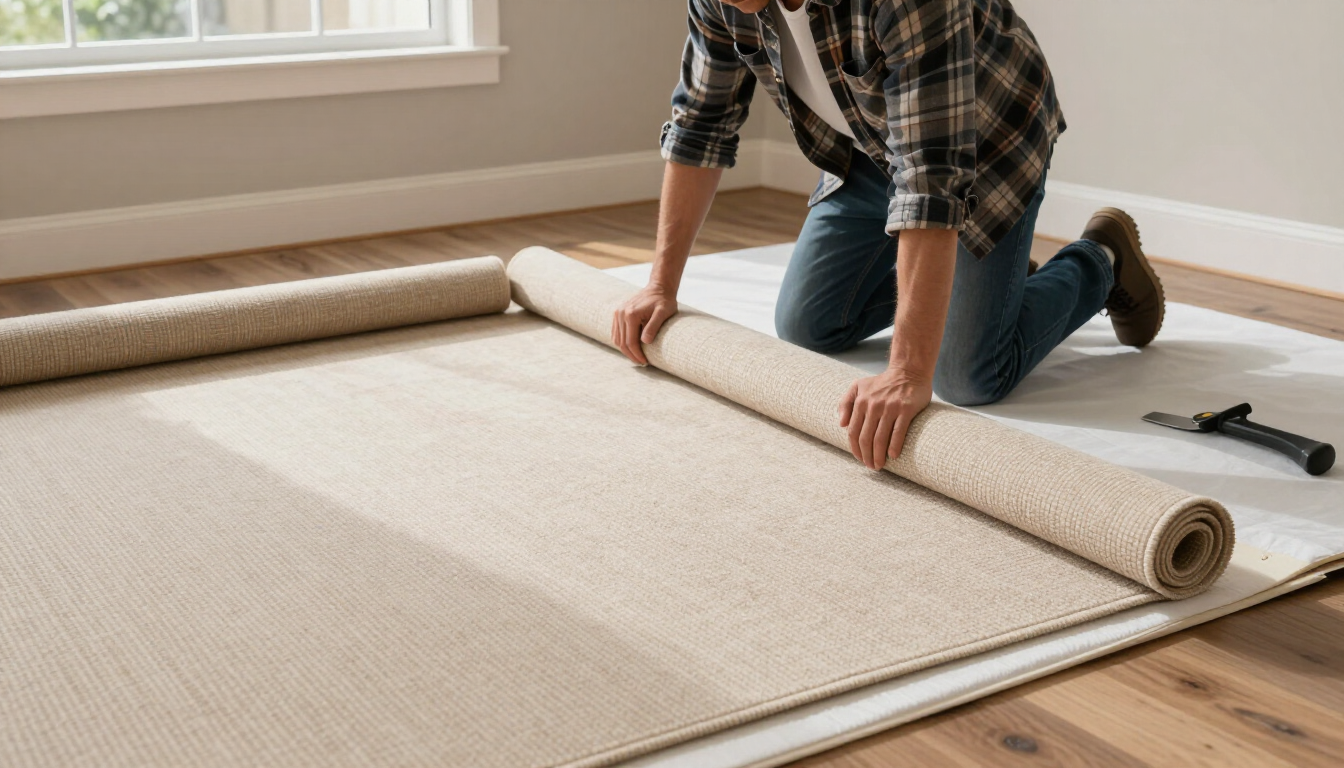
Neither style fixes a soft product choice. Both need careful fastening and clean cuts. For most homeowners, professional carpet installation is the safer path than a first-time stair project.
During an RFS estimate you can expect measurement, product guidance for how you use the home, and a written scope. Stairs are often discussed separately from flat areas because labor and material handling differ. Ask what is included: removal, disposal, padding, transitions at landings, and stair-specific finishing.
When carpet is the wrong call on stairs
Carpet is strong for comfort, sound control, and traction on interior stairs. It is a weaker fit when:
- Stairs sit in a wet entry that constantly tracks snowmelt and salt (consider hard-surface strategies for the landing zone, or plan aggressive mats and maintenance).
- You want a continuous hard-surface aesthetic from kitchen through stairs (see LVP and laminate for flat areas; stair conversions need proper components).
- Moisture or odor problems already exist in the pad or treads. Fix the source first.
If anyone in the home has mobility concerns, talk through traction and pile height in person rather than ordering the softest sample online.
What to bring to your estimate
Use this checklist so the quote matches the stairs you actually have:
- How many people, pets, and daily trips hit the staircase?
- Do you prefer cut pile or are you set on a loop look?
- Any known squeaks, loose nosings, or prior water events on landings?
- Will landings match hallway carpet or transition to hard surface?
- Are removal and disposal of old carpet and pad included?
- What cushion is specified for the stairs specifically?
- If budget timing matters, ask about financing options described on the site.
RFS serves homeowners along the Wasatch Front within the radius described on the service areas page, with free in-home estimates and licensed installation (Flooring Contractor License S220 listed on site).
Ready to choose carpet that belongs on your stairs?
Stairs punish weak carpet choices. Choose density, fiber, pile height, and padding for the nose of the tread first, then lock the color. When you are ready to compare samples on your actual staircase, contact Residential Flooring Solutions for a free in-home estimate at (801) 907-1908.