
Living Room Flooring: How to Choose for Daily Traffic, Sound, and Open Layouts
You know the living room floor better than any other floor in the house. There is the matted path from the front door to the couch, the crushed spot in front of the TV where everyone stands and sits, and the little ridge where the living room meets the kitchen in an open main floor. Add winter grit tracked in from the driveway, a dog that naps on the same square foot every day, and the hollow echo of bare floors if you have ever pulled up old carpet, and you have a good picture of what living room flooring has to survive.
The best floor for this room is the one matched to how you actually use it. That usually comes down to two questions: where your room wears hardest, and whether LVP or laminate or carpet suits the way your household lives. The rest is sound, transitions, furniture, and what is under the floor.
General information only. Product performance, moisture behavior, and installation outcomes depend on the specific product, your subfloor, and the manufacturer's installation and care instructions.
Start by Mapping Your Living Room's Wear Zones
Most living rooms do not wear evenly. They wear in patterns, and the pattern should drive your material choice more than any photo on a website. Walk your own room before you fall in love with a sample and look at where use actually concentrates.
The Entry Path
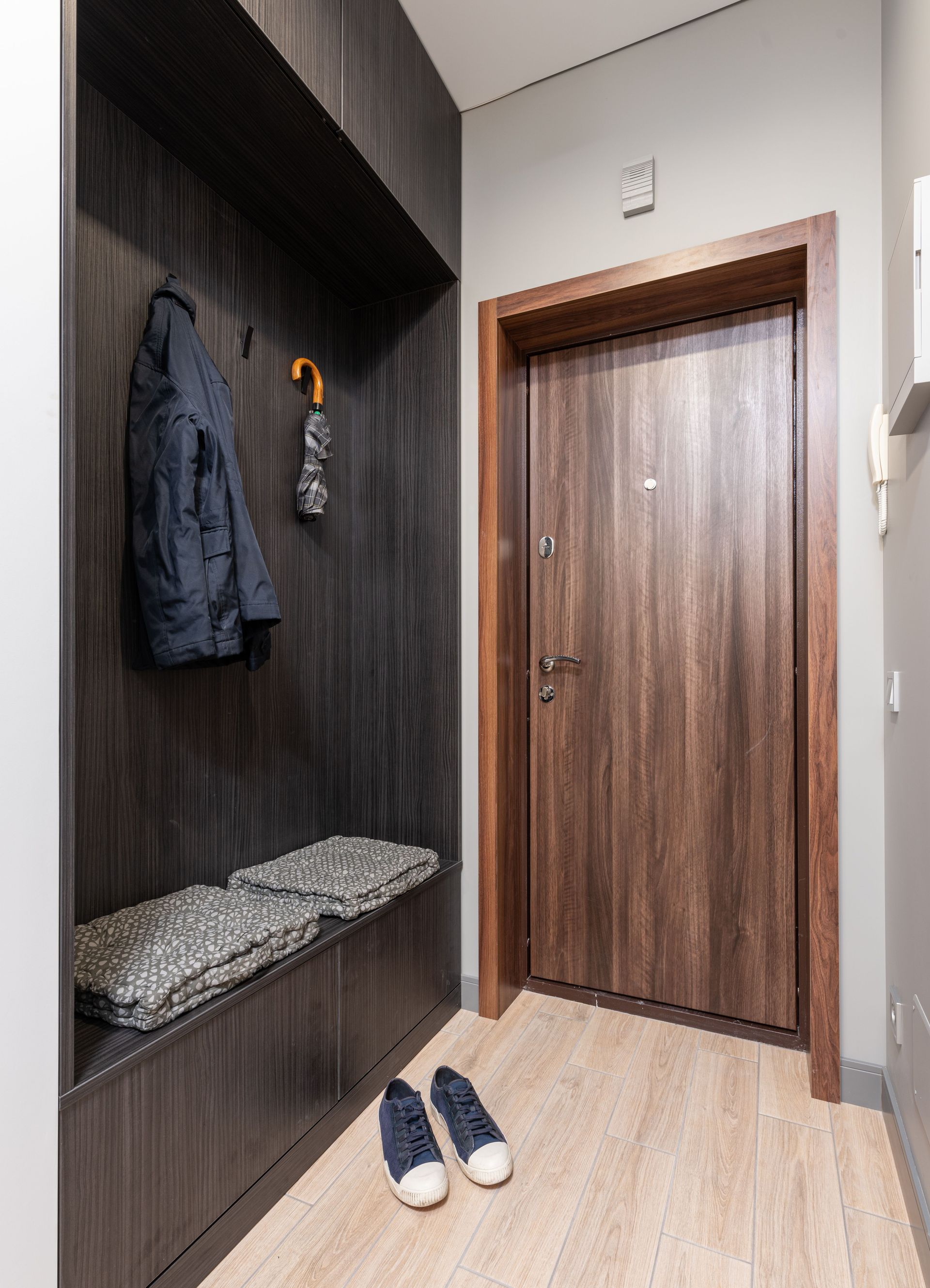
If your front door or garage entry opens straight into the living room, the stretch of floor just inside takes the most concentrated foot traffic in the room, plus grit, snowmelt, and ice-melt residue all winter. Grit acts like sandpaper underfoot and does much of its damage before you ever see it. This zone favors either a hard surface you can sweep and damp-mop often, or a carpet fiber durable enough for frequent vacuuming. Walk-off mats at the door help, but treat them as a supplement to the right flooring, not a substitute for it.
The Seating Area and TV Zone
Look at what happens in front of your favorite chair. Carpet pile crushes where people repeatedly stand up and sit down, and it can flatten under a coffee table that gets scooted back and forth. Hard floors take the same use differently: fine scratches build up and the surface dulls in the same lanes, even if no single scratch is dramatic. Instead of memorizing specifications, compare the spec sheets for the actual products on your quote, and ask to see the wear layer information for the specific planks. With carpet samples, press a palm and a chair leg into them and see which ones bounce back.
Edges, Corners, and Sunlight
Bright sun through large windows can fade flooring near the perimeter over time. Ask about fade resistance for both carpet fibers and the surface layers of laminate and vinyl, and use window coverings during the brightest hours.
If your carpet looks dark in one path even after cleaning, you are probably looking at pile crush rather than leftover dirt: crushed fibers reflect light differently. Regular vacuuming and the care steps in the Carpet and Rug Institute's home cleaning and maintenance guidance slow that down. And yes, traffic patterns show on LVP too, as dulling and fine scratching. The difference is that on a hard surface the wear tends to be less obvious from across the room, and the floor stays easy to clean.
Living Room Flooring Options Compared: Carpet, LVP, Laminate, and Waterproof
This is the heart of choosing flooring for your living room, and the honest framing is trade-offs, not a ranking, because your room picks the winner. Hardwood, tile, and stone are also living room options, but this comparison covers the families we specialize in: carpet, LVP, laminate, waterproof flooring, and sheet vinyl.
Carpet: Comfort and Quiet, With Real Wear Limits
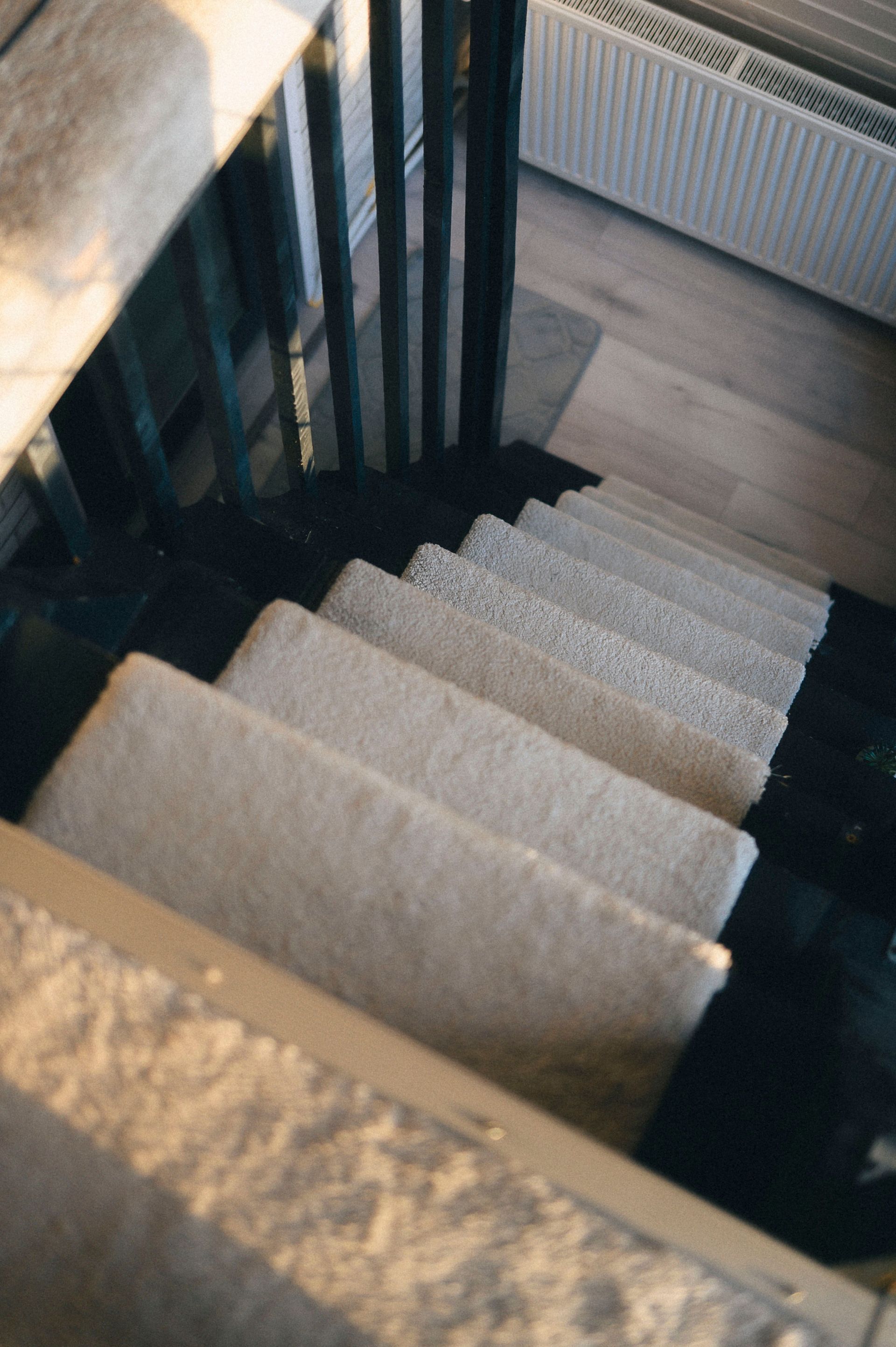
Carpet is warm underfoot in January, it absorbs sound instead of reflecting it, and it is soft for kids who play on the floor and adults who sit on it. Many homeowners use carpet in bedrooms and LVP in main living areas, so carpet in a living room is a deliberate choice rather than a default. It can still make sense in a lower-traffic living room, especially where quiet and comfort outrank easy cleanup of liquid messes.
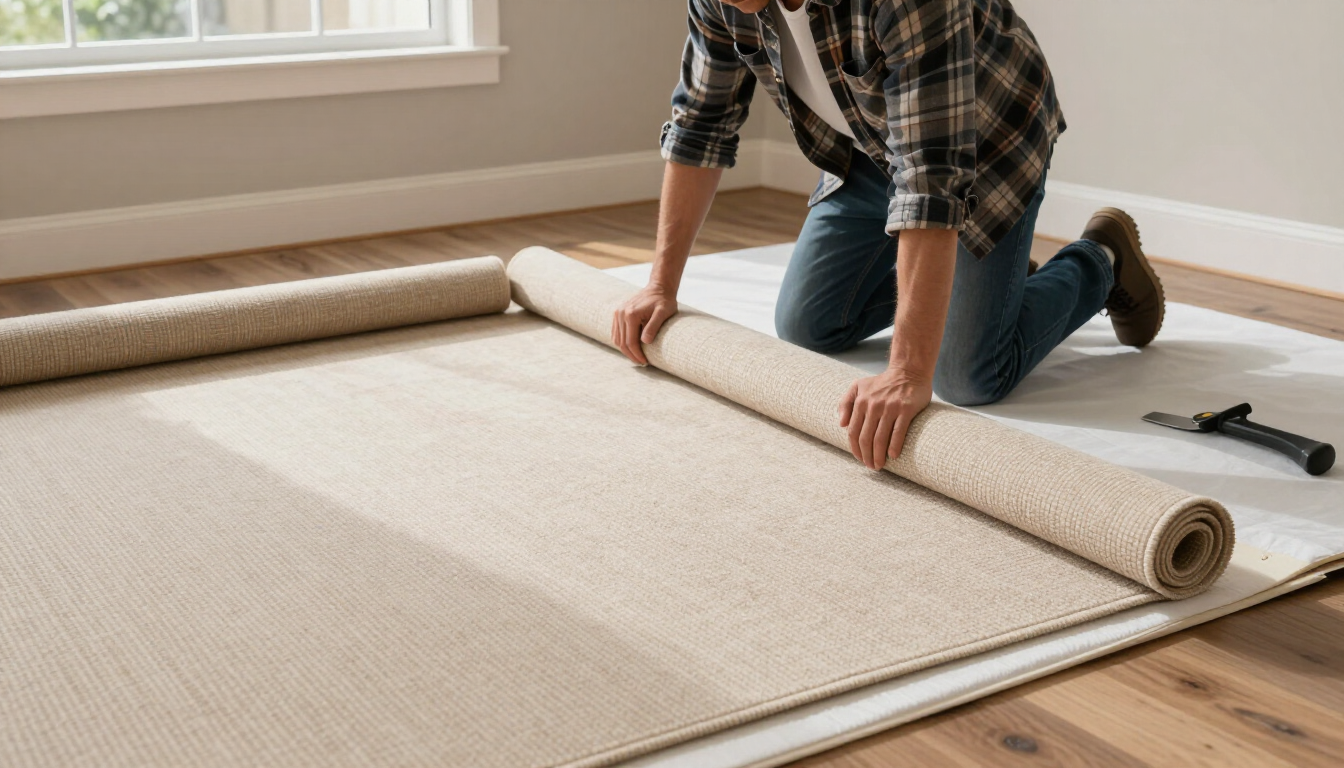
If you choose carpet, fiber and construction matter more than color. Our types of carpet page describes nylon as the most durable residential fiber, resisting crushing and heavy foot traffic, with polyester as a softer, lower-priced option that is better suited to rooms that do not see constant use. A plush, smooth carpet looks luxurious but shows footprints and vacuum lines more than a textured style does, so a textured carpet is often the forgiving pick for a busy family room. Padding is part of the performance too, and our carpet installation includes padding selection and installation, matched to your carpet and traffic level.
LVP: The Workhorse for Busy Living Rooms
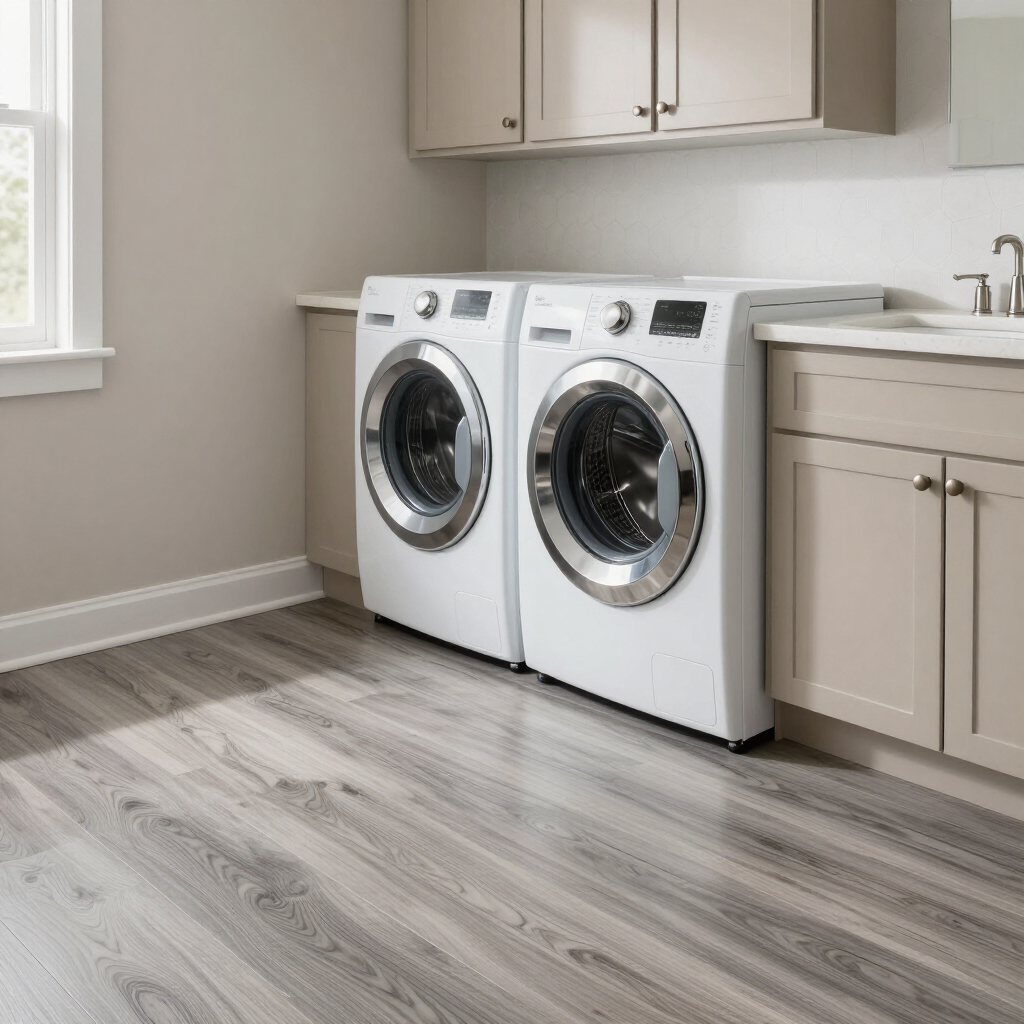
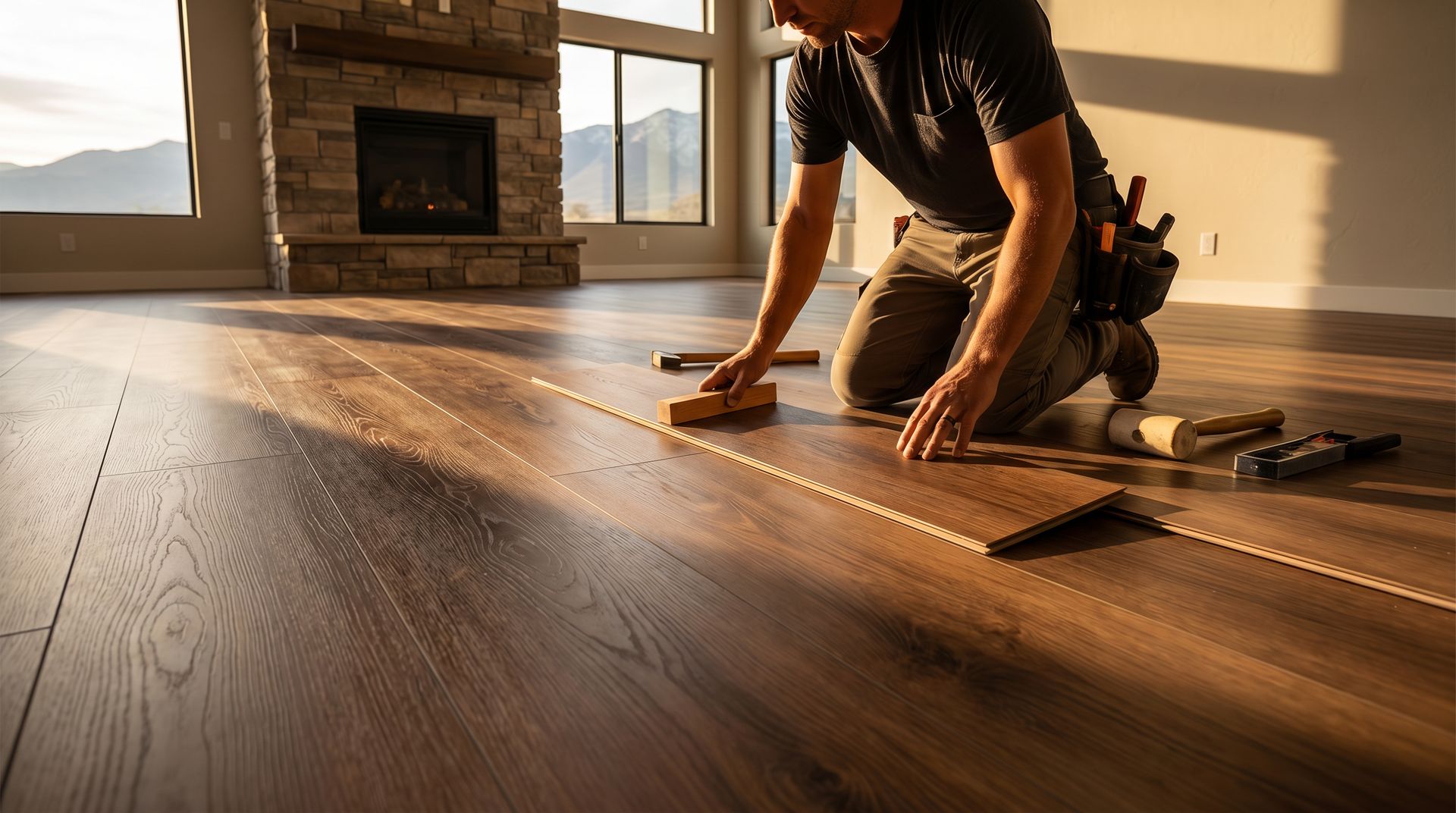
Luxury vinyl plank (LVP) is among the most popular hard-surface choices for Utah homeowners, and the reasons show up in daily life. Its wear layer, realistic wood looks, and easy cleanup make it forgiving of muddy shoes, dogs, and juice boxes. We install both floating and glue-down LVP. In plain terms, a floating floor locks together and rests over the subfloor, usually on an underlayment, while a glue-down plank is bonded to the surface beneath it. Neither method is automatically right. The correct one depends on the specific product and your subfloor, which an installer can judge only by looking at the room.
Laminate: The Wood Look With a Firm Feel
Laminate deserves a fair hearing in a living room. It offers convincing wood looks and a firm underfoot feel, and we install it with underlayment. The caution is moisture: laminate is water-resistant but not fully waterproof, because of its wood-fiber core. Wipe up living room spills promptly, and think twice if wet boots and water bowls live in that room every day.
Waterproof Flooring: WPC and SPC Cores in Living Room Terms
A waterproof core means the plank itself does not absorb water the way traditional materials do. Our waterproof flooring page covers waterproof LVP with WPC and SPC cores as well as waterproof laminate. In a living room, that translates to a tipped water bowl, a leaky humidifier, or a wet dog shaking off by the couch. The qualification that matters: a waterproof core describes the plank, not a guarantee about your whole floor. Performance still depends on the product, the seams and edges, and the quality of the installation, so confirm details product by product. If pets or wet shoes are part of daily life in that room, waterproof planks are worth a close look.
Where Sheet Vinyl Fits
Sheet vinyl is seamless and water-resistant, but it is typically used in kitchens, bathrooms, laundry rooms, and utility spaces rather than living areas. Unless your living room doubles as a utility space, treat it as a niche option, not the first choice.
The table below puts the four main options side by side so you can see where each one fits.
| Option | Best living room fit | Main strength | Main watch-out |
|---|---|---|---|
| Carpet | Quiet, lower to moderate traffic rooms where warmth and softness come first | Warm underfoot and absorbs sound | Pile can crush in traffic lanes, and liquid spills need prompt blotting |
| LVP (floating or glue-down) | Busy main-floor living rooms with kids and pets | Easy cleanup; ask to see wear layer details for the planks on your quote | Less sound absorption than carpet, and it needs a flat subfloor |
| Laminate | Dry living rooms where a firm wood look matters | Convincing wood looks with a firm feel | Water-resistant but not fully waterproof |
| Waterproof flooring (WPC or SPC core LVP, waterproof laminate) | Living rooms near entries, or where pets and wet shoes are daily | Waterproof core, with details varying by product | Seams and installation quality still decide real-world results |
Sound and Comfort Underfoot in the Room Where You Sit Still
Here is a moment many homeowners remember: the old carpet comes out and the room suddenly gets louder. Footsteps, dropped remotes, a dog's nails, and the TV all sounded different, and not in a good way. What you are hearing is the difference between impact noise (footsteps and anything that hits the floor) and echo, the hollow sound a hard-floored room adds to voices and speakers.
Carpet with the right padding is generally the better sound absorber of these material families. Hard surfaces can be made quieter with the right underlayment, but how much depends on the product, the underlayment, and how flat the subfloor is. We will not quote pad thicknesses, densities, or sound ratings here, because the published data for your specific product governs. If your household includes a sleeping baby, a night-shift worker who sleeps during the day, or neighbors on the other side of a shared wall, softness and absorption may reasonably outweigh easy cleanup. Say so when you talk through options.
Open Layouts: One Floor or Many, and How Transitions Work
Many living rooms open straight into the kitchen or dining area, and that changes the flooring decision in ways a single-room photo never shows.
The case for one continuous floor is simple: an unbroken look, no transition bumps for a socked toe or a vacuum to catch, and an easier cleaning flow from room to room. The case against is that everything wears as one system, and one material may force a compromise between what the living room wants (comfort, quiet) and what the wet zones nearby want (water resistance).
If you mix materials, the transition is the detail that makes or breaks the result. A transition strip covers and protects the joint where two floors meet, and we install transition strips and stair nose as part of LVP and laminate work. Think about the height change you may already step over where the living room carpet meets the kitchen. A well-chosen, well-placed transition turns that seam into a clean edge instead of a trip hazard.
If the kitchen floor stays and the living room changes, match tone and plank direction to what remains, and look at samples in the actual room at the time of day you use it most. A sample that looks right in the store can read very differently in the late-afternoon light from your own windows.
Furniture Load, Dents, and What Heavy Pieces Really Do
Sectionals, pianos, entertainment centers, and pool tables put a surprising amount of weight on very small feet, and that concentrated load, more than total weight, is what marks a floor.
Carpet and padding can take a lasting dent under heavy, narrow furniture feet. Wider cups spread the load, and occasionally shifting furniture a few inches lets compressed pile recover. Laminate and vinyl can dent or compress under point loads too, so very heavy items on small feet are a fit question worth raising with your installer rather than a deal breaker. Floating floors are also designed to move slightly with temperature changes, so check the install instructions before pinning a floating floor under fixed cabinetry or heavy built-ins.
On install day, we can assist with moving standard furniture for carpet installation, while heavy items like pianos or large entertainment centers may need to be moved before we arrive. Confirm the specifics for your job ahead of time so there are no surprises.
Subfloor Condition, Moisture, and Prep: The Part That Decides the Outcome
From an installer's point of view, the best plank in the world fails over a poor subfloor. Subfloor flatness simply means how level and smooth the surface under your floor is, and floating floors tend to telegraph every hump and dip. A ridge that was invisible under old carpet can become a visible, feelable line under new planks.
On moisture, concrete slabs can hold moisture even in a dry climate, so follow the acclimation and moisture-testing steps in the install instructions for the product you choose rather than assuming dry air lets you skip them. If you are sensitive to the smell of a new floor, note that some products and adhesives release volatile organic compounds (VOCs). The EPA's overview of VOCs explains why ventilating during and after installation helps.
Our subfloor repair service covers squeaks, soft spots, uneven areas, and damaged panels, plus concrete prep, so the surface is ready for the material you chose. Ask whether your estimate includes removal and disposal of the old flooring, and get the answer in writing before install day. The expensive mistakes here are all avoidable: ordering flooring before the subfloor is assessed, skipping acclimation, or choosing padding or underlayment that goes against the manufacturer's guidance.
What a Living Room Floor Replacement Looks Like
In living room terms, the sequence is: protect the path from the door, remove the old floor, check and repair the subfloor if needed, install, then finish the transitions where the living room meets stairs, a hallway, or the kitchen. For a broader look at the process, see our guide on what to expect during flooring installation in Utah.
Two carpet-specific notes. Seams should be planned to land away from the main sightline and the main traffic lane, because a seam in the middle of the light path is the one you will notice forever. And proper stretching matters for how carpet wears over time, since loose carpet wrinkles and wrinkles wear into damage. Stretching, seaming, and padding are all listed on our carpet installation page.
During the free in-home measurement, ask to see material options in the room's real light, walk through the transition plan, hear the subfloor findings, and get clarity on exactly what the estimate includes. Pricing happens after measurement, so that visit is where real numbers come from.
When a Different Product, or a Different Room, Is the Better Answer
Sometimes your first instinct is wrong for the room you actually have. If your living room doubles as the path in from the garage, lean toward waterproof LVP or waterproof laminate rather than anything moisture-sensitive. If quiet comfort is the priority and traffic is moderate, carpet remains a legitimate living room choice.
And if the real problem is not the living room, say so. Kitchens, basements, bathrooms, and bedrooms have their own rules. Our room-by-room flooring guide covers how flooring needs change from space to space and is the right place to start for those rooms.
See Your Living Room Options In Person
Choosing flooring is easier when you can see samples on your actual subfloor, in your actual light, next to your actual furniture. Residential Flooring Solutions is based in West Jordan and serves communities across the Wasatch Front, under Flooring Contractor License S220, licensed and insured. Schedule a free in-home estimate through our contact page or call (801) 907-1908, and bring your questions about wear zones, sound, transitions, and prep.
Recent Posts