carpet underlayment and carpet padding, why its probably time to replace it

Admin • June 1, 2026

Share this article

TL;DR

  • Replace carpet padding if your carpet feels flat, smells after cleaning, has stains that come back, feels uneven, or has pet damage.
  • You should usually replace carpet padding when replacing carpet. Old padding is often compressed, dirty, worn out, or holding odor.
  • Carpet padding matters because it supports the carpet, adds comfort, reduces noise, improves insulation, and helps the carpet last longer.
  • Carpet padding usually costs about $0.50 to $2.00 or more per square foot, depending on material, density, moisture protection, and quality.
  • Full carpet installation with padding often ranges from about $3 to $12 or more per square foot installed, depending on carpet type, padding, removal, stairs, and subfloor prep.
  • Subfloor repair may be needed if you notice squeaks, soft spots, dips, moisture damage, pet stains, or uneven flooring under the old carpet.
  • LVP installation, laminate flooring, sheet vinyl, and waterproof flooring also need proper subfloor prep. A bad base can ruin a good flooring product.
  • The best next step is to have a local flooring contractor inspect the carpet, padding, and subfloor before you spend money on new flooring.


When you are comparing carpet types, carpet underlayment, and carpet padding, it is easy to focus only on the carpet you can see. But the layer underneath is one of the biggest factors in how your floor feels, how long it lasts, and whether hidden issues keep coming back. For homeowners and property managers in West Jordan, South Jordan, and the greater Salt Lake County area, worn carpet padding can cause flat flooring, bad odor, recurring stains, poor comfort, and early carpet failure.


If your carpet feels hard, smells after cleaning, has soft spots, or is being replaced, it is probably time to replace the carpet padding too. A reliable flooring contractor will not only look at the surface. They will inspect the padding, subfloor, transitions, room layout, and moisture conditions before recommending carpet installation, LVP installation, laminate flooring, sheet vinyl, waterproof flooring, or subfloor repair

What Is Carpet Padding?


Carpet padding is the cushion layer installed between the carpet and the subfloor. It is sometimes called carpet underlayment, although underlayment is a broader term used for many flooring systems.

Carpet padding does several important jobs:

  • Supports the carpet backing
  • Adds comfort underfoot
  • Absorbs impact from daily traffic
  • Helps reduce noise
  • Improves insulation
  • Helps carpet wear more evenly
  • Protects the carpet from breaking down too quickly

Good padding makes carpet feel solid and comfortable. Bad padding makes even quality carpet feel cheap, thin, and worn out.


Is Carpet Padding the Same as Carpet Underlayment?


For carpet, many people use the terms carpet padding and carpet underlayment to mean the same thing. In flooring, underlayment simply means the layer between the finished floor and the subfloor.


Different flooring materials need different types of support. Carpet uses padding. Laminate flooring may need foam or moisture barrier underlayment. Some LVP products have attached backing, while others need specific prep below them. Sheet vinyl needs a smooth surface because bumps and seams can show through. Waterproof flooring still needs a flat, dry, stable base.

That is why proper prep matters across every flooring service, not just carpet installation.


Why Carpet Padding Matters More Than You Think


Padding Protects the Carpet


Carpet does not only wear from the top. Every step pushes the carpet down into the padding. If the pad is too thin, too soft, or worn out, the carpet backing takes more stress.

Over time, poor padding can lead to:

  • Faster matting
  • Flattened traffic lanes
  • Wrinkles
  • Reduced comfort
  • Backing damage
  • Earlier carpet replacement

If you are investing in new carpet, cheap padding is the wrong place to save money. Quality padding helps the carpet perform the way it should.


Padding Changes How the Room Feels


A room with good padding feels warmer, quieter, and more comfortable. This matters in bedrooms, basements, family rooms, stairs, and rental units where comfort affects how people experience the space.

In Utah homes, carpet is often chosen for bedrooms and family areas because it softens the room and helps with sound control. But without the right pad, carpet loses much of that benefit.


Padding Helps With Sound and Insulation


Carpet padding can help reduce footstep noise, especially in upstairs bedrooms, hallways, and multi-level homes. It also adds a layer of insulation, which can make rooms feel warmer during colder months.

For property managers, better padding can also reduce tenant complaints about hard floors, noise, and worn traffic paths.

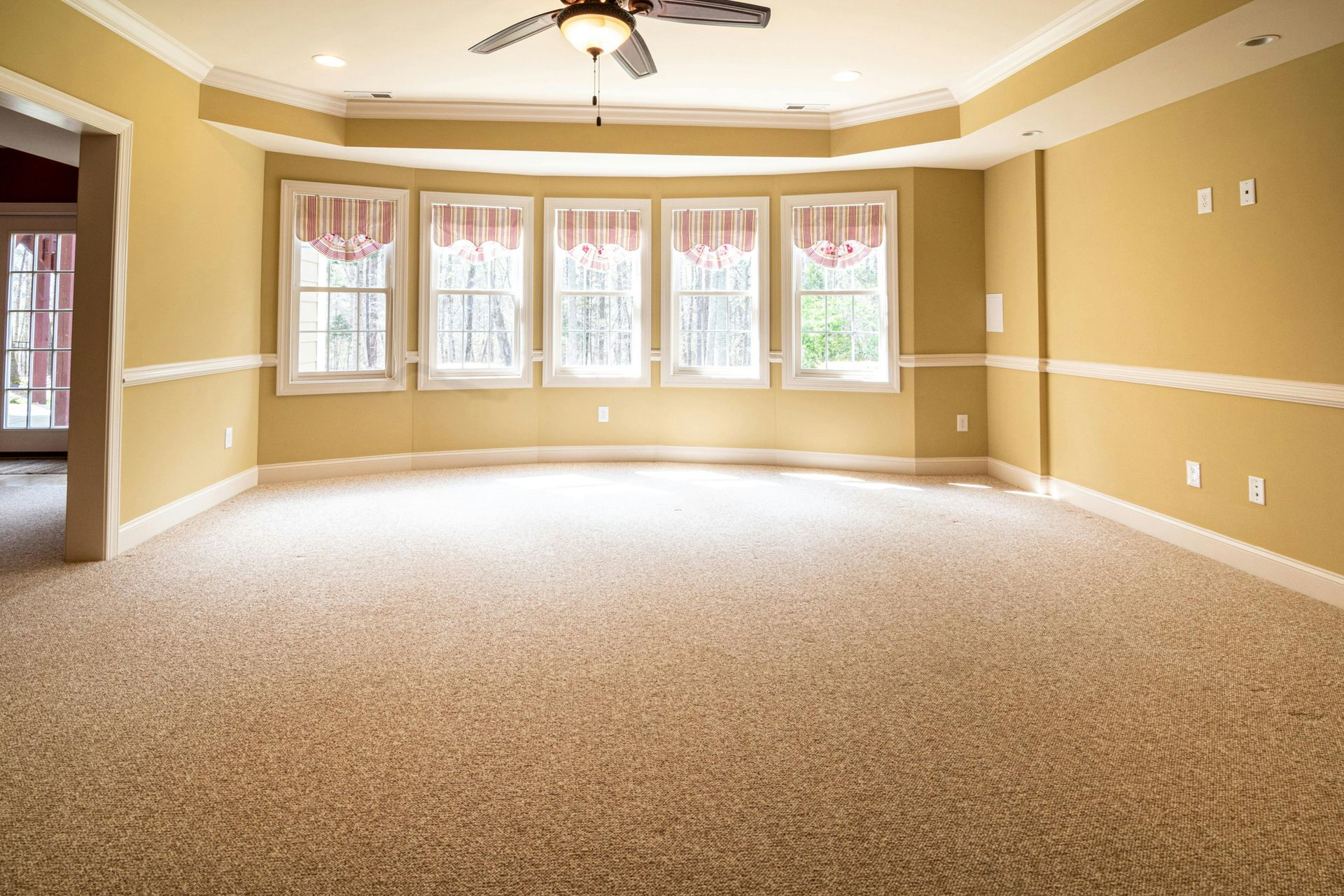
Empty beige living room with carpet, tray ceiling fan, and large windows letting in bright daylight

Signs Its Time to Replace Carpet Padding


Your Carpet Feels Flat or Hard


If your carpet used to feel soft but now feels thin, hard, or compressed, the padding may be worn out. Vacuuming and cleaning can improve the surface, but they will not restore padding that has lost support.

This is common in:

  • Hallways
  • Stairs
  • Living rooms
  • Family rooms
  • Rental bedrooms
  • Entry paths

When padding breaks down, the carpet above it usually wears faster.


Stains Keep Coming Back


If stains return after cleaning, they may be coming from below the carpet surface. Spills, pet urine, and moisture can soak into the pad. When the carpet dries, the stain can wick back up into the fibers.

This is one of the clearest signs that carpet cleaning is not solving the full problem.


Odor Returns After Cleaning


Bad odor after carpet cleaning often points to padding contamination. Pet urine, smoke, mildew, and old spills can settle into the pad. Once odor reaches that layer, cleaning only the carpet surface may provide temporary improvement.

Residential Flooring Solutions often sees this during rental turnover projects. A room may look better after cleaning, but the smell returns once the carpet dries. In those cases, the right fix may be new carpet, new padding, and inspection for subfloor repair.


You Notice Soft Spots or Uneven Areas


Soft spots are not always a padding issue. They can point to subfloor damage below the carpet.

Possible causes include:

  • Moisture damage
  • Loose plywood
  • Damaged OSB
  • Pet damage
  • Uneven concrete
  • Old floor movement
  • Failed underlayment

Before new flooring is installed, those issues should be inspected. Carpet can hide minor imperfections, but it cannot fix structural problems.


Your Carpet Is Wrinkled or Loose


Wrinkles may come from poor stretching, age, backing failure, or worn padding. In some cases, carpet can be re-stretched. But if wrinkles return or the carpet feels loose across the room, replacement may be the better investment.

Old carpet and old padding often fail together.


How Long Does Carpet Padding Last?


Many carpet pads last around 8 to 10 years, but that depends on traffic, material, moisture, pets, and installation quality. A guest bedroom pad may last longer. A stairway, hallway, rental unit, or family room may wear out much faster.

If your carpet is older than 8 years and you are already seeing odor, flattening, stains, or soft spots, padding replacement should be part of the conversation.

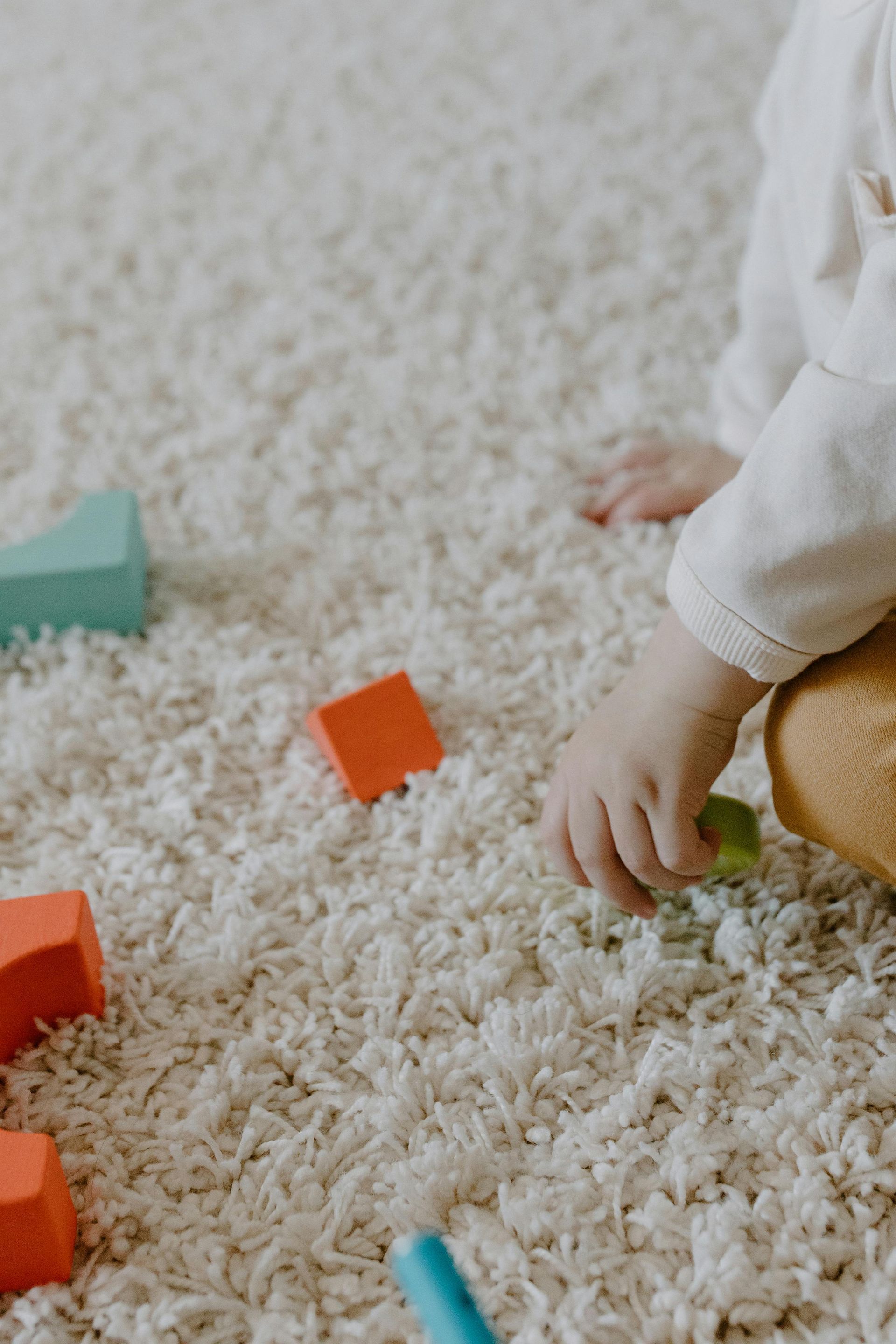
Child’s hand on white shag rug with colorful toy blocks scattered nearby

Types of Carpet Padding


Rebond Padding


Rebond padding is one of the most common residential carpet pads. It is made from bonded foam pieces and comes in different densities. It is practical, affordable, and works well in many bedrooms, living rooms, and family rooms.


Memory Foam Padding


Memory foam padding feels soft and comfortable. It can be a good option for bedrooms, but it is not always ideal for stairs or heavy traffic. Padding that is too soft can make carpet feel unstable.


Rubber Padding


Rubber padding is dense, supportive, and durable. It usually costs more, but it can perform well in higher-end installations or areas where long-term support matters.


Moisture Barrier Padding


Moisture barrier padding helps prevent spills from soaking directly into the pad. It can be useful in homes with pets or kids. However, it does not fix active moisture issues. If water is coming from below or through a basement wall, that problem needs to be corrected before flooring goes in.


Carpet Padding Cost: What Should You Budget?


Carpet padding is usually priced by the square foot. Common planning ranges include:

  • Basic carpet padding: $0.50 to $0.90 per square foot
  • Mid-range carpet padding: $0.75 to $1.25 per square foot
  • Premium carpet padding: $1.25 to $2.00 or more per square foot
  • Moisture barrier padding: often higher than standard padding
  • Removal and disposal: may be included or priced separately

Full carpet installation with padding often ranges from about $3 to $12 or more per square foot installed, depending on the carpet, padding, old flooring removal, stairs, transitions, furniture moving, and prep.

If subfloor repair is needed, common repairs may add about $2 to $7 per square foot, depending on the issue. Severe water damage, structural damage, or major leveling can cost more.

If budget is a concern, ask about financing options before choosing a lower-quality product that may not last.


Should You Reuse Old Carpet Padding?


In most cases, no. Reusing old padding under new carpet is usually not a smart move.

Old padding may be:

  • Compressed
  • Dirty
  • Odor-filled
  • Damaged by pets
  • Exposed to moisture
  • Too thin for the new carpet
  • Outside warranty requirements
  • Uneven from years of traffic

There are rare cases where newer padding may still be usable, but it should be inspected first. If you are already paying for carpet replacement, new padding is usually the better value.


Carpet Padding and Subfloor Repair


The best time to inspect the subfloor is after old carpet and padding are removed.

Signs you may need subfloor repair include:

  • Squeaks
  • Dips
  • Soft areas
  • Uneven flooring
  • Moisture stains
  • Pet stains
  • Musty smell
  • Cracked concrete
  • Loose panels
  • Floor movement

Subfloor prep matters for every flooring option. Carpet needs a stable base. LVP installation requires a flat surface. Laminate flooring can separate or sound hollow over uneven floors. Sheet vinyl can show bumps and seams. Waterproof flooring still needs a dry, solid foundation.

If concrete is uneven, concrete leveling may be needed before the new floor is installed.


When to Consider LVP, Laminate, Sheet Vinyl, or Waterproof Flooring


Carpet is still a strong choice for bedrooms, stairs, and comfort-focused spaces. But in some rooms, a hard-surface product makes more sense.

Consider LVP installation for:

  • Rentals
  • Pet-heavy homes
  • Entryways
  • Hallways
  • Main living areas
  • Basements
  • High-traffic rooms

Consider laminate flooring for:

  • Dry bedrooms
  • Offices
  • Living rooms
  • Wood-look designs
  • Areas without moisture concerns

Consider sheet vinyl or waterproof flooring for:

  • Bathrooms
  • Laundry rooms
  • Kitchens
  • Utility rooms
  • Rental properties
  • Moisture-prone areas

The right flooring choice depends on how the room is used, how much traffic it gets, and what condition the subfloor is in.


What Property Managers Should Know


For property managers in West Jordan, South Jordan, and Salt Lake County, padding replacement is often non-negotiable after pet damage, long-term tenants, or heavy wear. New carpet over old padding may look fine for a short time, but odor and uneven wear can come back fast.


A practical rental strategy may include carpet and durable padding in bedrooms, LVP in main living areas, and sheet vinyl or waterproof flooring in bathrooms and laundry rooms. That mix helps balance comfort, cleanup, and long-term replacement cost.


Questions to Ask Before Replacing Carpet Padding


Before hiring a flooring contractor, ask:

  • Is the padding included in the estimate?
  • What pad density do you recommend?
  • Should I use moisture barrier padding?
  • Does the padding meet carpet warranty requirements?
  • Will old carpet and padding be removed?
  • Will the subfloor be inspected?
  • What happens if subfloor repair is needed?
  • Are stairs and transitions included?
  • Should I consider LVP, laminate, sheet vinyl, or waterproof flooring instead?

Clear answers upfront help you avoid surprise costs and poor flooring performance.


Final Thoughts


Carpet padding is not a small detail. It is the support system under your carpet. If it is worn, stained, smelly, compressed, or damaged, your carpet will not feel or perform the way it should.


If you are replacing carpet, it is probably time to replace the padding too. If you notice soft spots, squeaks, moisture damage, or pet stains, the subfloor should be checked before any new flooring is installed.


For homeowners and property managers in West Jordan, South Jordan, and the greater Salt Lake County area, Residential Flooring Solutions can help you choose the right flooring, prep the surface correctly, and install it on schedule.


Request a free estimate today for carpet installation, LVP installation, laminate flooring, sheet vinyl, waterproof flooring, or subfloor repair, and get your flooring project done the right way.

Recent Posts

Modern apartment building with gray and green facades and balconies against a cloudy sky
By Admin June 18, 2026
Learn Utah apartment carpet replacement rules, normal wear vs damage, flooring costs, and when to choose carpet, LVP, or subfloor repair.
Apartment building facade with orange brick and white balconies, featuring rows of windows and gray siding
By Admin June 17, 2026
Choose cheap carpet for apartments without sacrificing durability. Learn costs, tenant-friendly flooring options, and when to choose LVP or subfloor repair.
Interior of a framed house under construction, with exposed beams and a worker bending over the floor.
By Admin June 9, 2026
Learn why subfloor repair matters before new carpet, what warning signs to watch for, and when to request flooring help in Salt Lake County.
Brown puppy with a red collar sitting on a light textured floor, looking at the camera.
By Admin June 9, 2026
Choose the best stain resistant carpet for your Utah home. Compare carpet, LVP, waterproof flooring, costs, and installation options.
Blue upholstered sofa corner on a gray patterned carpet.
By Admin June 2, 2026
Find affordable carpet, carpet installation, LVP, waterproof flooring, and subfloor repair from Residential Flooring Solutions in Salt Lake County.
Close-up of a textured surface with sunlight and shadow bands
By Admin May 26, 2026
Learn how to tell if your carpet needs replaced or cleaned, compare costs, spot subfloor issues, and request a free estimate in Salt Lake County.
Two people sitting on a fluffy rug, with a small toy block in the foreground.
By Admin May 20, 2026
Learn about carpet types, carpet installation costs, padding, subfloor repair, LVP flooring installation, waterproof flooring, and how to choose the right flooring for your Utah home.