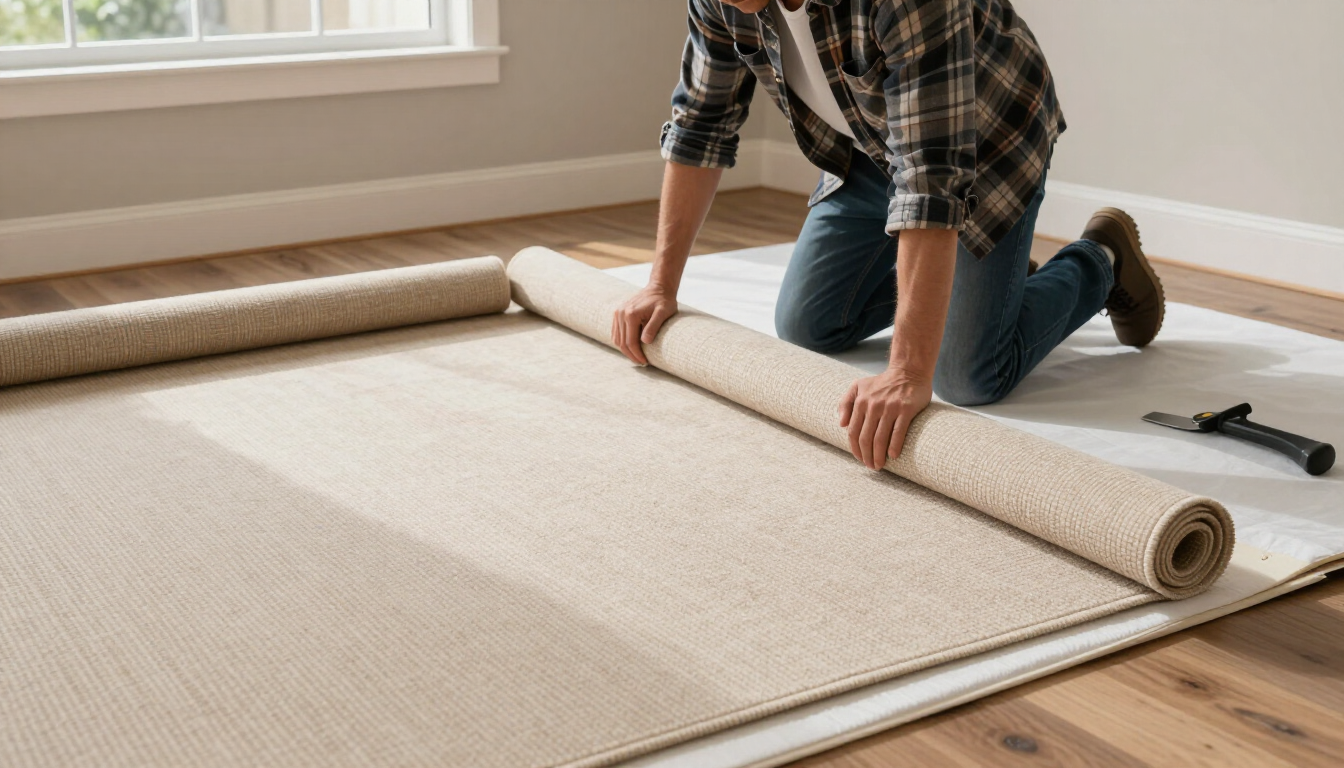
What Goes Under Carpet on Concrete?
Concrete requires extra attention. Before carpet is installed over concrete, the surface should be clean, dry, stable, and checked for moisture. Cracks, dust, old adhesive, uneven spots, and moisture issues can all affect the finished installation.
In Salt Lake County, basements and lower-level rooms deserve special care. Carpet can work in a dry, finished basement, but it is not the best answer for every basement. If there is a musty smell, visible staining, damp concrete, or previous water intrusion, carpet may create more problems than it solves.
In those rooms, LVP, sheet vinyl, or waterproof flooring may be more practical. These products still need proper prep, but they usually handle moisture-prone spaces better than carpet.
What Goes Under Carpet on Wood Subfloor?
Wood subfloor should be clean, dry, flat, and secure. Squeaks, loose panels, raised seams, soft spots, pet odor, and water stains should be addressed before carpet installation.
Carpet can hide imperfections better than hard-surface flooring, but it cannot fix the issue underneath. If the subfloor moves, the carpet and padding above it move too. If pet odor is in the wood, replacing only the carpet may not remove the smell. If a soft spot is covered instead of repaired, the finished floor may still feel unstable.
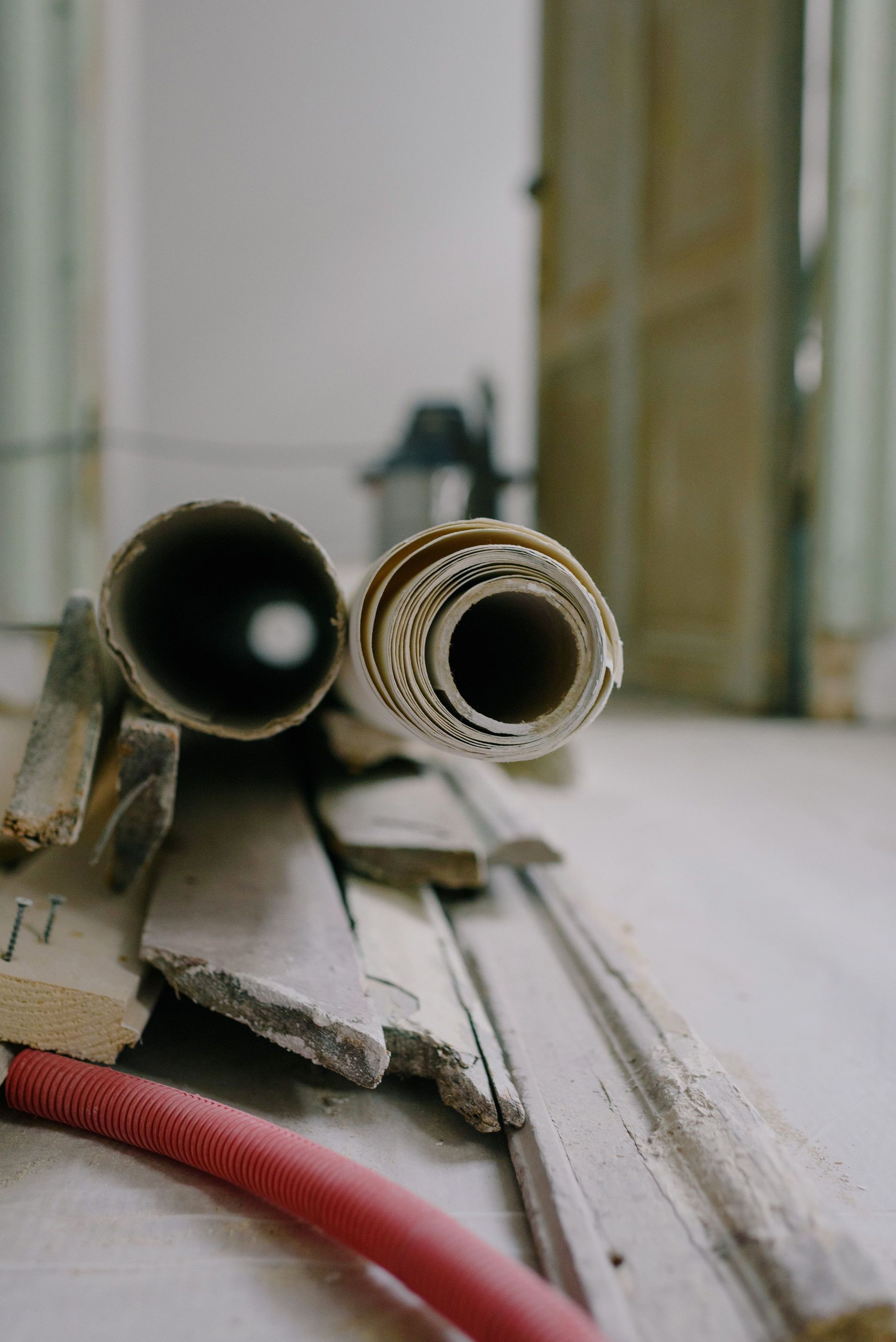
Residential Flooring Solutions often sees this during carpet replacement. Once old carpet and padding are removed, hidden stains, old moisture damage, and uneven areas become visible. That is the right time to correct the problem, not after new carpet has already been stretched into place.
Should You Reuse Old Carpet Padding?
In most cases, no. Old carpet padding should usually be replaced when new carpet is installed.
Old pad can be compressed from years of foot traffic. It can hold odor from pets, spills, or moisture. It may be uneven, torn, brittle, or stained. It may also fail to support the new carpet properly.
New carpet over old padding is like putting a new roof over damaged decking. The top layer may look better, but the weak layer underneath can still cause problems. If you are paying for new carpet installation, the padding should support the investment.
Old padding is an automatic concern if there is pet urine, water damage, musty odor, visible stains, heavy compression, crumbling foam, or unknown rental history.
Carpet Underlayment vs Laminate Underlayment
This is one of the most common questions homeowners ask: what is the difference between underlayment for laminate vs carpet?
Carpet underlayment is soft. It is designed to cushion the carpet, support the backing, and make the floor feel more comfortable underfoot.
Laminate underlayment is different. It is thinner, firmer, and designed for a floating hard-surface floor. Depending on the product, laminate underlayment may help with sound, minor smoothing, and moisture control. It is not designed to feel plush.
You should not use carpet padding under laminate flooring. Carpet pad is too soft and can allow movement, gapping, joint stress, and early flooring failure.
The same rule applies to most LVP and waterproof flooring. Some LVP products have attached pad. Others may allow or require a specific underlayment. The manufacturer instructions matter. Using the wrong underlayment can create movement, separation, clicking, or warranty problems.
Sheet vinyl is different again. It often needs a very smooth surface because imperfections can show through the finished material. A soft carpet pad under sheet vinyl would be the wrong assembly.
What Padding Is Best for Pets?
For pet-friendly homes, the best padding depends on the level of risk. If you have one trained pet and want more protection from occasional spills, a denser pad or moisture barrier pad may help.
If the room has repeated pet accidents, old urine odor, or stained subfloor, padding alone is not the solution. The source of odor needs to be removed or treated. In some rooms, especially rental living rooms, hallways, or pet-heavy spaces, LVP or waterproof flooring may be a better long-term choice.
For bedrooms, carpet can still make sense. For high-traffic pet zones, choose the flooring based on cleanup, odor control, and durability.
How Much Does Carpet Padding Cost?
Carpet padding cost depends on the type of pad, density, thickness, room size, stairs, removal, disposal, and labor conditions. As a planning range, carpet padding commonly costs about $0.75 to $3.75 per square foot installed.
That number does not always include every part of the project. Old padding removal, carpet removal, disposal, subfloor repair, pet odor treatment, stair work, and furniture moving can all affect the final estimate.
Honest pricing matters here. A low carpet quote may look attractive, but if it includes weak padding or skips prep, it may cost more later through early wear, poor comfort, odor, or replacement.
Best Flooring Choices by Room
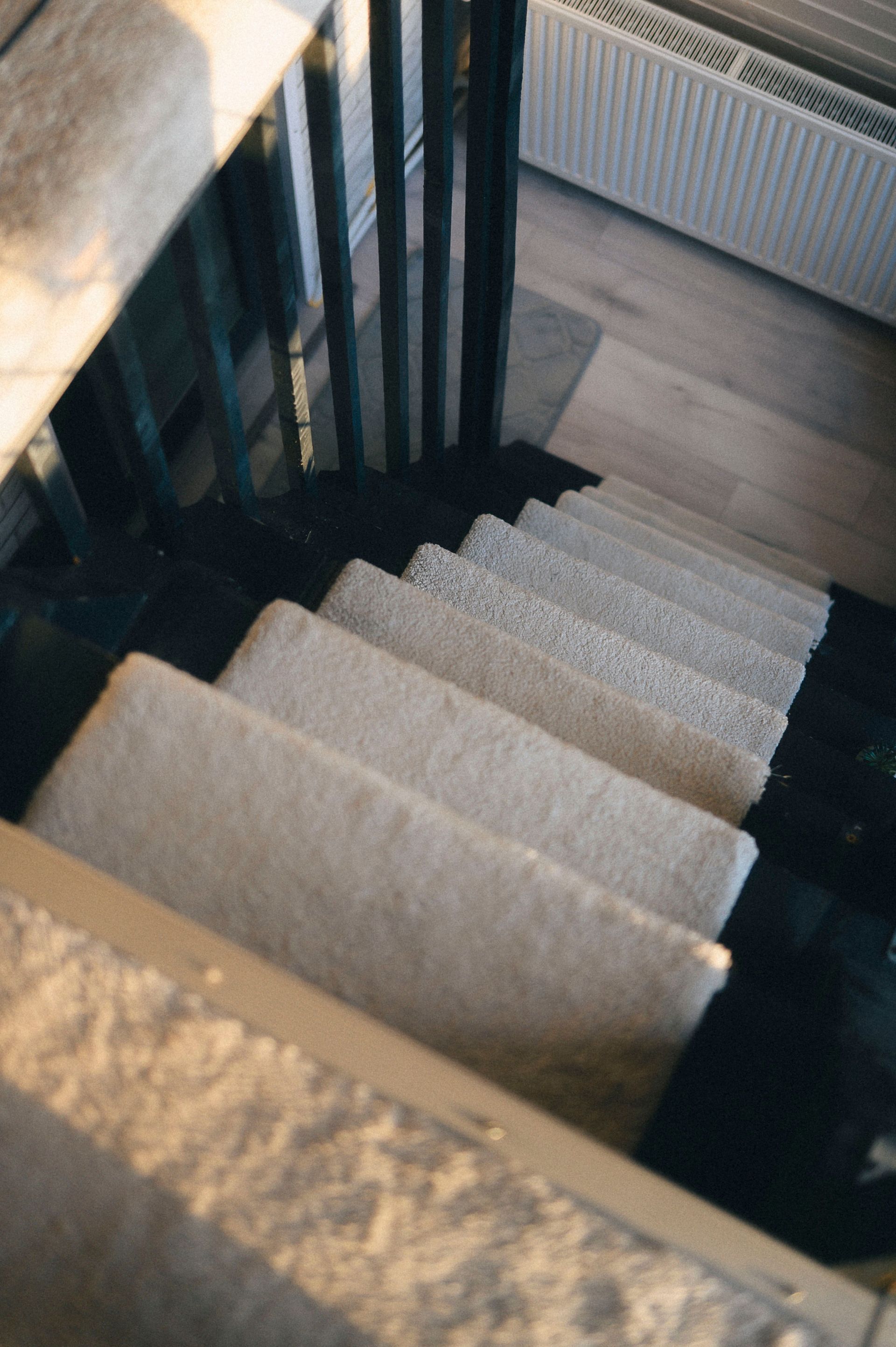
Carpet with quality padding is still a strong choice for bedrooms, stairs, upstairs rooms, and comfort-focused spaces. It helps with warmth, softness, and sound control.
LVP installation is often better for living rooms, hallways, entryways, basements, pet-heavy rooms, rental properties, and commercial spaces. It is easier to clean and usually handles daily traffic better.
Laminate flooring can work well in dry bedrooms, offices, dining rooms, and low-moisture living spaces where you want a wood-look floor at a practical cost.
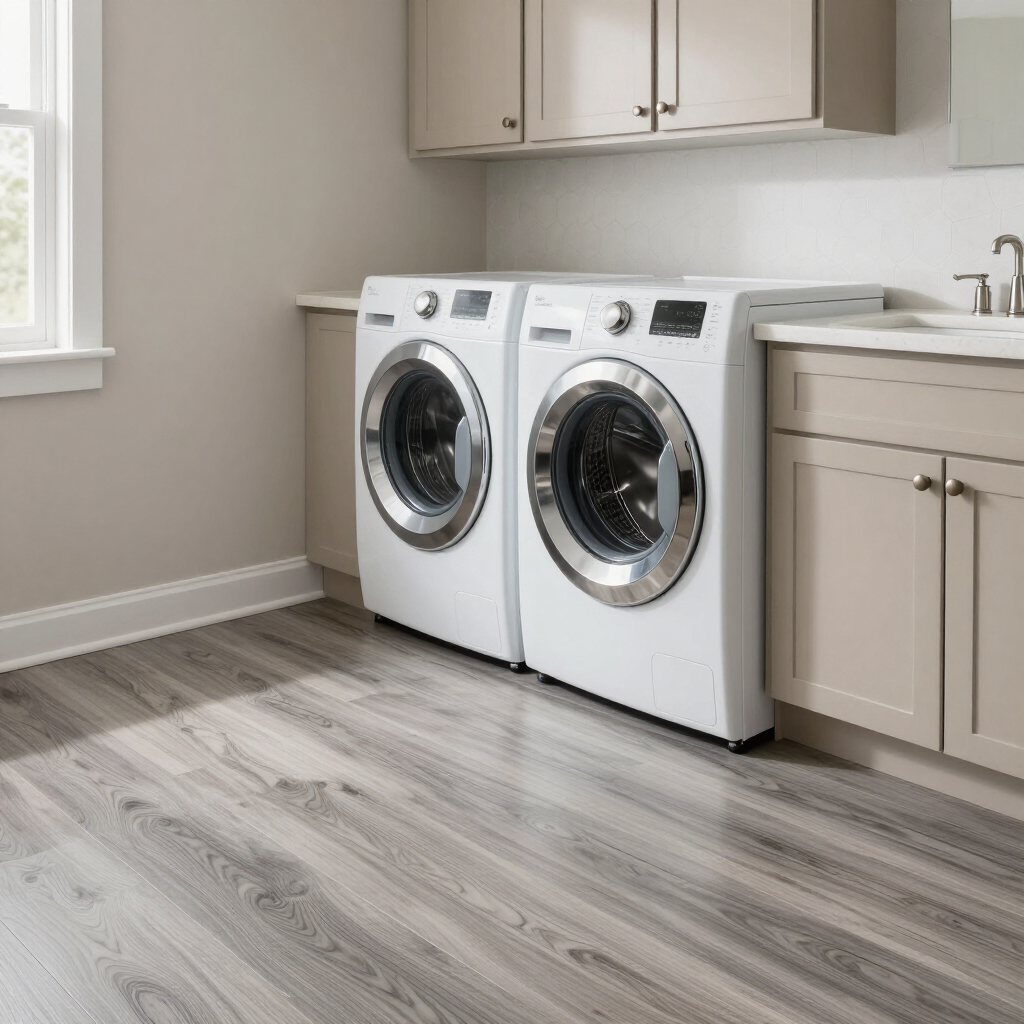
Sheet vinyl is useful for bathrooms, laundry rooms, utility rooms, and budget-focused wet areas. Waterproof flooring is often better for basements, bathrooms, kitchens, laundry spaces, and moisture-prone rooms.
The best flooring plan may use more than one product. Carpet in bedrooms, LVP in main living areas, sheet vinyl in laundry rooms, and waterproof flooring in basements may be a better plan than using carpet everywhere.
How Professional Carpet Installation Handles the Layers
A good carpet installation starts before the carpet is ordered. The room should be reviewed for traffic, pets, kids, rental use, comfort needs, moisture, and budget. The estimate should account for square footage, closets, stairs, transitions, seam layout, padding, removal, disposal, and subfloor concerns.
After old flooring is removed, the subfloor should be checked. That is when soft spots, odor, stains, cracks, dips, or loose panels can be found. If repair is needed, it should happen before the new pad and carpet are installed.
Then the correct padding is installed, seams are planned, carpet is stretched properly, transitions are finished, and the project is cleaned up. That process protects the finished floor and helps avoid callbacks.
What Is Under the Carpet Decides How the Carpet Performs
Carpet is not just the surface you see. It is a system. What goes under carpet affects comfort, durability, sound, odor, lifespan, and long-term value.
For homeowners and property managers in West Jordan, South Jordan, and greater Salt Lake County, the right flooring decision starts with the room and the base underneath it. Carpet padding should match the carpet and the traffic level. Old padding should usually be replaced. Subfloor repair should happen before installation when damage is found. Concrete and wood subfloors both need the right prep. And in some spaces, LVP, laminate flooring, sheet vinyl, or waterproof flooring may be the better answer.
Request a
free estimate from
Residential Flooring Solutions for carpet installation, carpet replacement, LVP installation, laminate flooring, sheet vinyl, waterproof flooring, commercial flooring, or subfloor repair. Get honest pricing, proper prep, quality materials, and timely installation from a local flooring contractor that understands what belongs under the floor before the finished surface goes down.