
Diy Carpet Installation | Do You Need a Professional for Carpet Installation?
TL;DR
- Can you install carpet yourself? Yes, but full-room Diy carpet installation is harder than it looks and usually requires specialty tools, accurate measuring, seam work, stretching, padding, and subfloor prep.
- Do you need a professional for carpet installation? For most bedrooms, living rooms, stairs, rentals, and commercial spaces, yes. Professional carpet installation usually gives you a cleaner finish, better stretch, stronger seams, and fewer repair risks.
- How do I install my own carpet? You would need to remove old flooring, inspect the subfloor, install tack strips, lay padding, cut and seam the carpet, stretch it with the right tools, trim edges, tuck walls, finish transitions, and clean up.
- Is a knee kicker enough? Not for most wall-to-wall carpet installation. A knee kicker helps position carpet, but a power stretcher is usually needed for proper tension.
- Is DIY carpet installation cheaper? It can look cheaper upfront, but tool rental, mistakes, wasted carpet, bad seams, ripples, re-stretching, and repair work can remove the savings fast.
- Can you remove old carpet yourself? Often, yes. Some homeowners can remove old carpet and padding before professional installation, but the floor still needs to be inspected for staples, pet odor, water damage, and soft spots.
- Should property managers install carpet themselves? Usually no. Rental units need fast, consistent, durable results. Professional installation helps reduce vacancy time and tenant complaints.
- When should you choose LVP instead of carpet? LVP installation is often better for entryways, hallways, basements, pet-friendly homes, rental living areas, and high traffic spaces.
- Why does subfloor repair matter? Carpet can hide floor problems, but it cannot fix them. Soft spots, squeaks, dips, pet odor, water damage, and uneven concrete should be handled before new flooring goes down.
Diy carpet installation can seem simple when you watch a short video or look at an empty room. You remove the old carpet, roll out the new carpet, trim the edges, and move on. In real homes and rental properties, the job is rarely that simple. Carpet installation depends on accurate measuring, proper padding, tack strips, seam placement, stretching, trimming, transitions, stair work, and the condition of the floor underneath.
For homeowners and property managers in West Jordan, South Jordan, and greater Salt Lake County, the real question is not just whether you can install carpet yourself. The better question is whether DIY carpet installation will give you a floor that looks right, feels right, and lasts.
Residential Flooring Solutions helps you compare carpet installation, LVP and laminate flooring, and subfloor repair before the project starts, so you can choose the right floor for the room instead of guessing.
How to Install Your Own Carpet
If you want to understand the DIY process, here is what we recommend at Residential Flooring Solutions.
First, you measure the space. That includes the main room, closets, doorways, hallways, seam direction, stairs, and waste factor. If the measurement is wrong, you may order too little carpet or create seams in poor locations.
Next, you remove the old carpet and padding. This can be a reasonable DIY task if you have gloves, eye protection, a utility knife, disposal plan, and time. After removal, the surface needs to be cleaned. Staples, old pad fragments, loose tack strip, and debris need to be removed.
Then the subfloor needs to be checked. Look for soft spots, dips, squeaks, moisture stains, pet odor, cracks, or uneven concrete. This is where many DIY jobs go wrong. New carpet can cover a problem, but it will not solve it.
After that, tack strips are installed around the room. Padding is cut, placed, and secured. Padding should not cover tack strips, and it should be matched to the carpet and the room. Cheap or old padding can shorten carpet life.
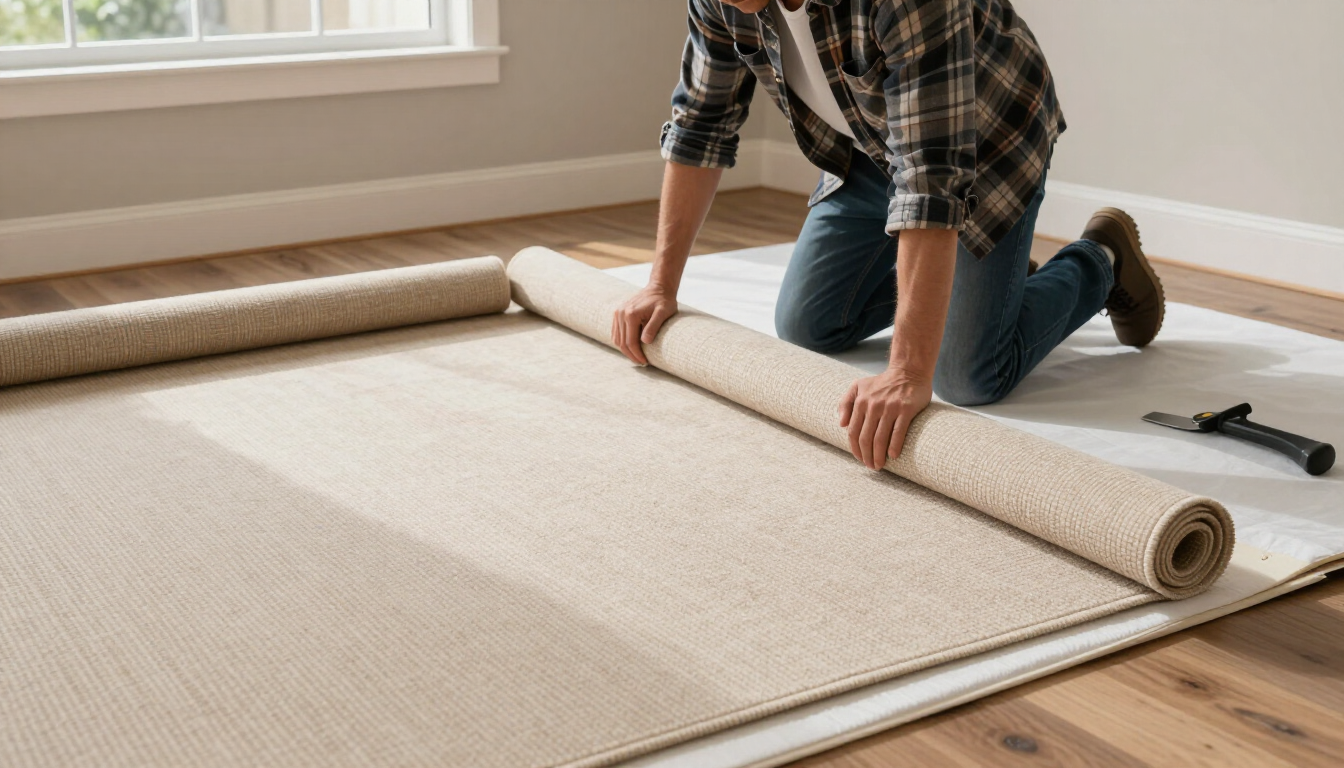
Then the carpet is positioned, seamed where needed, stretched, trimmed, tucked, and finished at transitions. This is the hardest part. Wall-to-wall carpet usually requires a power stretcher, knee kicker, seam iron, seam tape, stair tool, carpet knife, trimmer, and experience.
What DIY Carpet Installation Can Cost If It Goes Wrong
DIY carpet installation can look cheaper at first because you are not paying for professional labor. The problem is that carpet mistakes are rarely free. A bad cut, loose stretch, weak seam, wrong padding choice, or missed subfloor issue can turn a simple project into a repair job.
The tool cost alone can add up quickly. You may need a knee kicker, power stretcher, seam iron, seam tape, carpet knife, wall trimmer, staple gun, stair tool, shop vacuum, and safety gear. Some tools are inexpensive to buy, but specialty tools may need to be rented. Even with rental tools, the project still depends on knowing how to use them correctly.
The Tools Add Cost Before the Carpet Goes Down
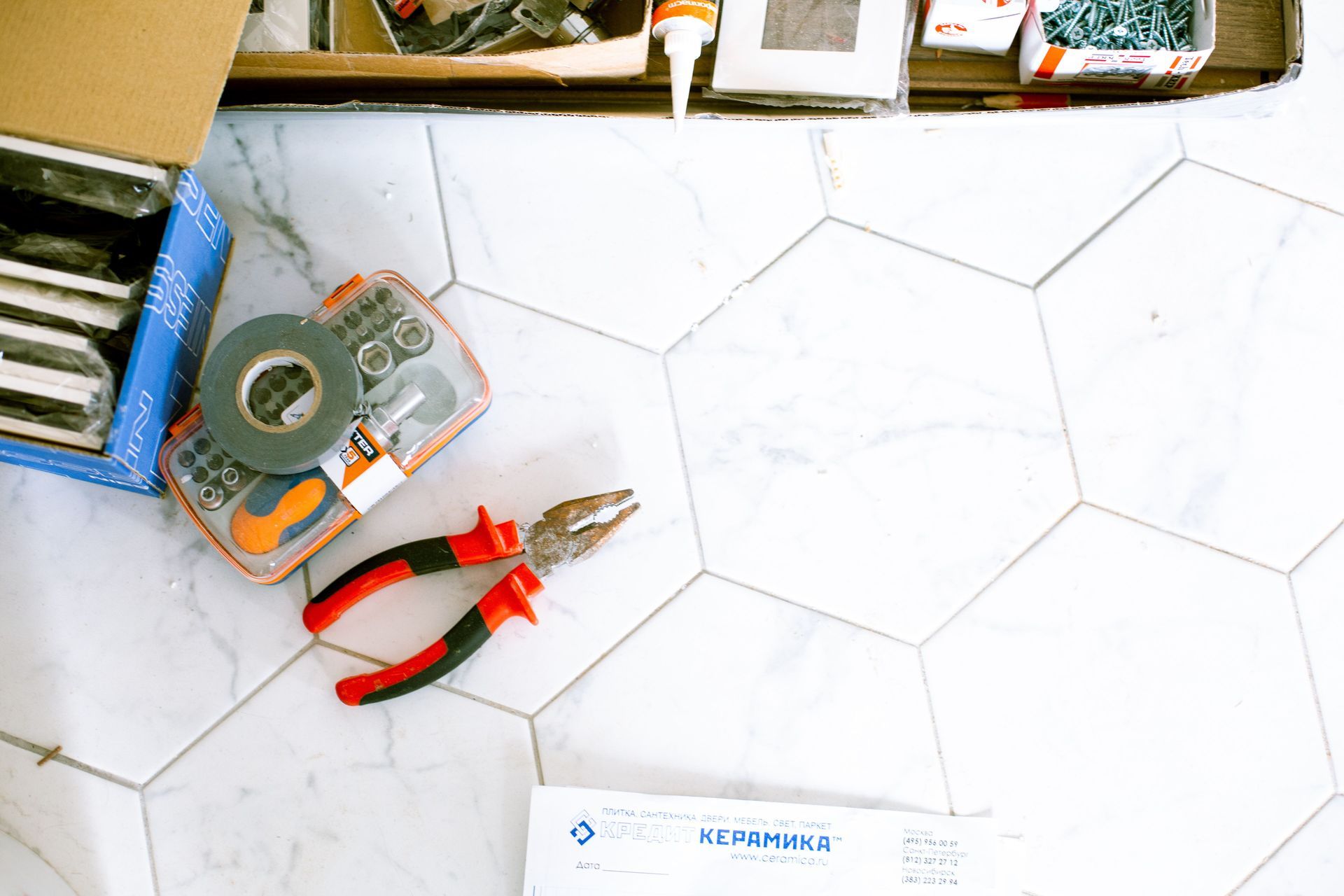
A small DIY room may only require basic hand tools (here is the link if you need the tools) if the layout is simple. A full bedroom, living room, hallway, stairway, or rental unit is different. Wall to wall carpet usually requires proper stretching, seam work, edge trimming, and transition finishing.
A knee kicker may cost around $15 to $35 per day to rent in many local rental markets. A power carpet stretcher may cost around $35 to $75 per day. A seam iron may cost around $15 to $35 per day. Those are only planning ranges, and they do not include deposit holds, late fees, extra blades, seam tape, tack strips, disposal, or the time it takes to pick up and return the tools.
That is why DIY savings can shrink fast. If the job takes longer than expected, a one day rental can turn into multiple days. If the carpet is cut wrong or stretched poorly, you may still need a professional to repair or reinstall the floor.
| Tool or Item | Primary Use | Typical Rent Cost | Typical Buy Cost | Common DIY Mistake It Helps Prevent | Possible Repair or Rework Cost If Done Wrong | Notes | Source URL |
|---|---|---|---|---|---|---|---|
| Tape measure and chalk line | Measure rooms, closets, hallways, seam direction, and cut layout before carpet is ordered or cut. | Usually buy, not rent | $8 to $25 | Bad room measurements, poor seam layout, short cuts, excess waste. | $100 to $500+ in wasted material, added seams, or delayed reorder. | Measure twice and plan seams before cutting. Large rooms and patterned carpet need extra care. | https://www.thisoldhouse.com/flooring/how-to-install-carpeting |
| Utility knife, carpet knife, and extra blades | Cut old carpet, trim new carpet, cut padding, and finish edges. | Usually buy, not rent | $10 to $35 | Jagged cuts, frayed edges, damaged baseboards, short cuts. | $100 to $250 for patching or edge repair if material can be matched. | Sharp blades matter. Dull blades pull carpet fibers and create messy edges. | https://www.homeadvisor.com/cost/flooring/repair-carpeting/ |
| Pry bar, pliers, hammer, and staple puller | Remove old carpet, old padding, staples, damaged tack strip, and transition pieces. | Usually buy, not rent | $20 to $60 total | Leaving staples, pad fragments, nails, and old debris under new flooring. | $140 to $400 average carpet repair project if hidden debris or damage causes failure. | Old staples and tack strip fragments can affect the finished feel of the floor. | https://www.angi.com/articles/carpet-repair-cost.htm |
| Knee kicker | Position carpet near walls, corners, and tight areas during installation and repair. | $15 to $35 per day planning range | $60 to $150 | Loose carpet near walls, poor edge tension, uneven placement. | $100 to $300 for loose or buckling carpet repair. | A knee kicker is useful, but it is not a full substitute for a power stretcher on most wall to wall jobs. | https://www.sunbeltrentals.com/equipment-rental/floor-care/knee-kicker/0680520/ |
| Power carpet stretcher | Stretch carpet across the room to proper tension and help prevent wrinkles or ripples. | $35 to $75 per day planning range | $300 to $1,100+ | Wrinkles, ripples, loose carpet, uneven wear, trip hazards. | $100 to $300+ for re-stretching, more if seams must be opened or furniture moved. | Sunbelt describes carpet stretchers as tools that help create proper tension and eliminate wrinkles. | https://www.sunbeltrentals.com/equipment-rental/floor-care/carpet-stretcher/0680530/ |
| Carpet seam iron | Heat seam tape and bond carpet sections together for larger rooms or layouts with seams. | $15 to $35 per day planning range | $60 to $150 | Weak seams, raised seams, split seams, visible seams in traffic areas. | $100 to $250 for seam repair. | Sunbelt describes carpet irons as tools for creating strong, durable carpet seams with seam tape. | https://www.sunbeltrentals.com/equipment-rental/floor-care/carpet-iron/0680540/ |
| Seam tape and seam roller | Join carpet sections and press the seam for better bonding and appearance. | Roller often $5 to $15 per day, tape is purchased | $15 to $60 total | Visible seams, loose seams, seam separation, rough transition between carpet pieces. | $100 to $250 for seam repair. | Seam planning is just as important as the tools. Poor seam location can still show. | https://www.homeadvisor.com/cost/flooring/repair-carpeting/ |
| Carpet wall trimmer or carpet trimmer | Trim carpet cleanly along walls, baseboards, doorways, and transitions. | $10 to $25 per day planning range | $25 to $75 | Uneven wall cuts, frayed edges, damaged trim, carpet cut too short. | $100 to $250+ for patching or edge repair if possible. | If carpet is cut short at a wall, it may not tuck or hold correctly. | https://www.angi.com/articles/carpet-repair-cost.htm |
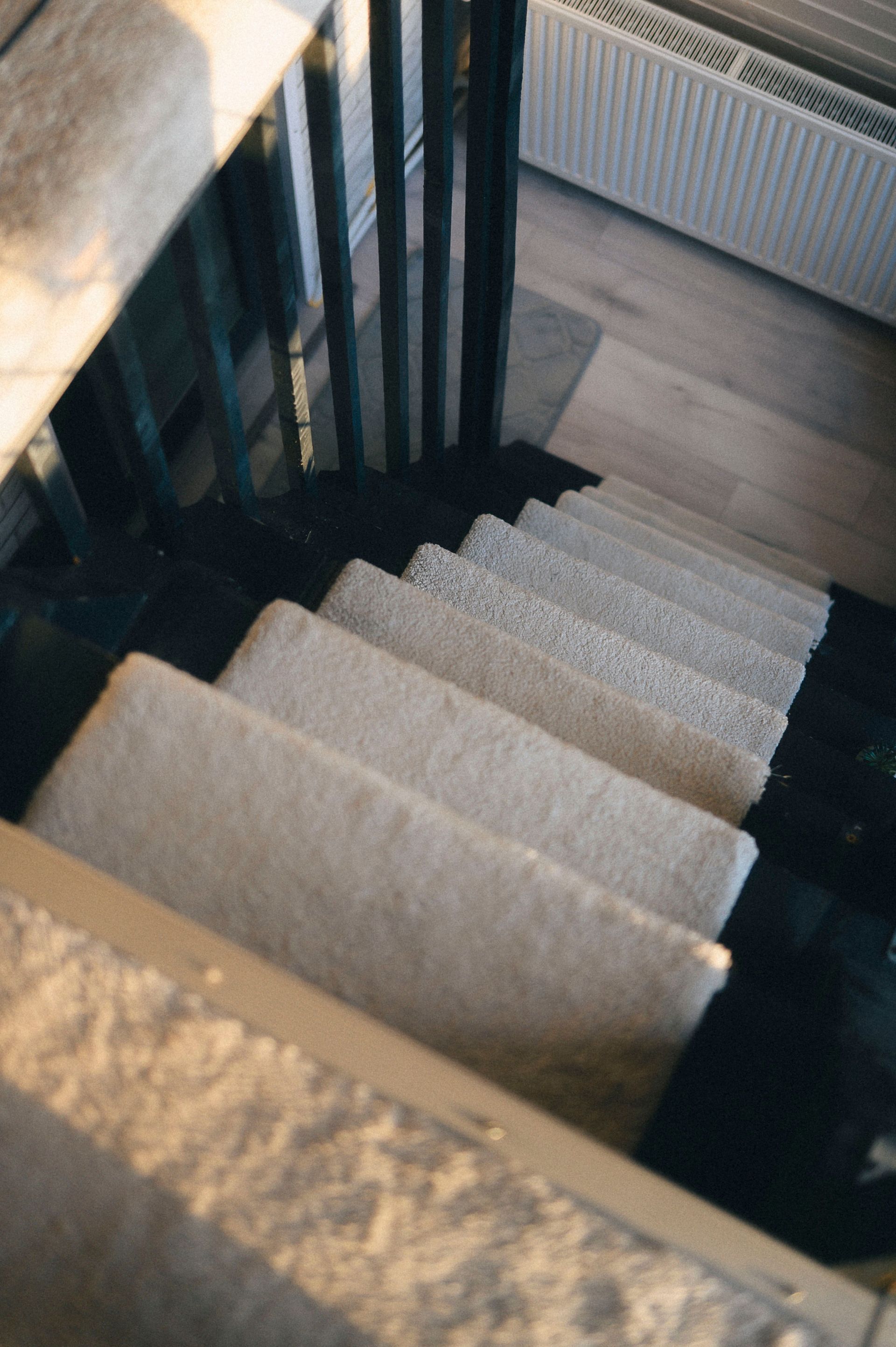
| Stair tool | Tuck carpet into stair creases, corners, and tight edges. | $5 to $15 per day planning range | $10 to $35 | Loose stair carpet, poor stair edges, messy tucked areas. | $150 to $400+ depending on stair count and whether carpet must be reworked. | Stairs are one of the highest-risk DIY carpet areas because safety and tight finishing matter. | https://www.thisoldhouse.com/flooring/how-to-install-carpeting |
| Staple gun or hammer tacker | Secure carpet padding where appropriate and support clean pad installation. | $10 to $25 per day planning range | $20 to $60 | Loose padding, pad overlap, uneven feel under carpet. | $0.75 to $3.75 per sq ft to replace damaged or poor padding. | Padding should not cover tack strips and should be installed flat without bunching. | https://www.homeadvisor.com/cost/flooring/repair-carpeting/ |
| Shop vacuum | Clean the subfloor after removing old carpet and before installing padding or new flooring. | $20 to $45 per day planning range | $60 to $180 | Dust, staples, debris, and pad fragments trapped under new carpet. | $140 to $400 average carpet repair project if debris or prep issues cause defects. | A clean base improves the feel and performance of the finished installation. | https://www.angi.com/articles/carpet-repair-cost.htm |
| Safety gear: gloves, eye protection, knee pads | Protect hands, eyes, and knees during removal, cutting, tack strip work, and stretching. | Buy, not rent | $20 to $75 total | Cuts, knee strain, eye irritation, tack strip injuries. | Not a flooring repair cost, but injury can stop the project and delay installation. | Sunbelt notes eye protection and gloves as safety equipment for carpet tool use. | https://www.sunbeltrentals.com/equipment-rental/floor-care/carpet-stretcher/0680530/ |
Bad Stretching Can Lead to Ripples and Rework
Carpet needs proper tension. A knee kicker can help position carpet near edges, but it is not a full substitute for a power stretcher on most wall to wall installations. If the carpet is not stretched correctly, it can loosen, wrinkle, ripple, and wear unevenly.
Professional re-stretching or loose carpet repair can often cost $100 to $300 or more depending on room size, furniture, seams, and how much work is needed. If seams need to be opened or transitions need to be reset, the cost can climb.
For a homeowner, that means the room may need to be cleared twice. For a property manager, that can mean more downtime between tenants.
Bad Seams Can Be Hard to Hide
Seams are one of the biggest DIY risks. A seam needs to be planned before the carpet is cut. It should avoid obvious focal points when possible and should be bonded correctly with seam tape and a carpet seam iron.
If the seam is crooked, raised, weak, or placed in the wrong area, it can be visible every time light hits the room. Seam repair commonly costs around $100 to $250, but repair is not always perfect. If there is not enough extra material or the carpet pattern cannot be matched, the result may still show.
This is one of the reasons professional carpet installation is usually worth it for living rooms, hallways, large bedrooms, and commercial spaces.
Bad Cuts Can Waste Material
Carpet is not forgiving once it is cut too short. If a wall edge, doorway, closet, or stair cut is wrong, the fix may require patching, re-seaming, or replacing material. A small trim mistake can become a visible edge problem. A larger mistake can require a new piece of carpet.
The cost depends on the material and the mistake, but rework can easily reach hundreds of dollars when you include replacement carpet, added seam work, and labor. If the carpet was special order, the delay can be just as frustrating as the cost.
Wrong Padding Can Shorten Carpet Life
Padding is not just comfort. It supports the carpet from underneath. If the pad is too cheap, too soft, compressed, stained, wet, or reused from the old floor, the new carpet may not perform correctly.
Damaged or poor padding can create lumps, weak spots, odor, and faster wear. Padding replacement can commonly range from about $0.75 to $3.75 per square foot depending on the material and project conditions. If old padding has pet odor or moisture damage, new carpet should not go over it.
Residential Flooring Solutions recommends treating carpet and padding as one system. The right carpet with the wrong pad is still a weak installation.
Missed Subfloor Problems Can Be the Most Expensive Mistake
The floor underneath matters. Carpet can hide some problems, but it cannot fix soft spots, squeaks, dips, pet odor, water stains, cracked concrete, or loose panels.
If new carpet goes over a bad subfloor, the same problems can come back through the new floor. Odor can return. The carpet can wear unevenly. Furniture may sit poorly. The room may feel soft or unstable underfoot.
Subfloor repair, odor treatment, water damage repair, and padding replacement can add hundreds of dollars depending on the damage. In some cases, the new carpet has to be pulled back so the base can be fixed. That means paying twice for work that should have been addressed before installation.
The Real DIY Question
The real question is not only, “Can I install my own carpet?” The better question is, “Can I install it well enough that I will not need to pay for repairs later?”
For small closets, storage rooms, or temporary spaces, DIY may be reasonable. For bedrooms, living rooms, stairs, rental units, commercial flooring, pet-damaged spaces, or rooms with subfloor concerns, professional carpet installation is usually the safer investment.
Do You Need a Professional for Carpet Installation?
For most full-room carpet projects, yes. Professional carpet installation is usually worth it because the finished result depends on details that are difficult to learn on one job.
A professional installer knows how to plan seams, stretch carpet correctly, work around closets and doorways, install carpet on stairs, avoid loose edges, and finish transitions. A good flooring contractor also knows when the problem is not the carpet at all. Sometimes the real issue is bad padding, pet contamination, moisture, or a damaged subfloor.
Residential Flooring Solutions often sees projects where the old carpet looks like the main issue, but once it is removed, the floor underneath tells the real story. Pet stains, soft spots, old moisture damage, or uneven areas can all affect the next floor. Installing new carpet over those problems can lead to odor, uneven wear, and early replacement.
When DIY Carpet Installation May Be Reasonable
DIY may be reasonable in small, simple, low-risk spaces. A storage room, small closet, or temporary area may not justify a full professional install if appearance and long-term performance are not major concerns.
DIY removal can also make sense. If you want to reduce the project scope, ask your flooring contractor whether you can remove the old carpet and padding yourself before installation. Just make sure the room is left clean, safe, and ready for inspection.
For most bedrooms, stairs, living rooms, rental units, and commercial spaces, professional carpet installation is the better route. Those areas need durability, safe transitions, clean seams, and consistent results.
What Can Go Wrong With DIY Carpet Installation?
The most common DIY carpet problems are easy to understand after they happen and expensive to fix after the fact.
Bad measurements can waste material or delay the project. Poor seam placement can leave visible lines across the room. Weak stretching can cause ripples and loose areas. Incorrect padding can make the carpet feel cheap and wear faster. Poor trimming can damage baseboards or leave messy edges. Bad stair work can create safety concerns.
Subfloor problems are another major risk. If the floor has squeaks, soft spots, dips, pet odor, or water damage, the new carpet may not perform well. The same is true for LVP installation, laminate flooring, sheet vinyl, and waterproof flooring. Every flooring material depends on a stable base.
DIY Cost vs Professional Carpet Installation Cost
DIY carpet installation may look cheaper because you are not paying for labor. But the real cost includes carpet, padding, tack strips, seam tape, blades, staples, adhesives, tool rental, disposal, extra material, and your time.
Professional carpet installation often ranges from about $3 to $11 or more per square foot installed, depending on carpet quality, padding, room layout, labor, stairs, removal, disposal, and prep. Current installation cost guides place carpet installation in that general range, with padding, labor, and project conditions affecting the final number.
DIY becomes expensive when something goes wrong. A bad cut can ruin a piece of carpet. Loose carpet may need re-stretching.
Visible seams may require repair. Missed subfloor problems can require removing the new flooring to fix the base below.
Professional installation costs more upfront, but it can protect the material, reduce waste, and help the floor last longer.
Carpet vs LVP, Laminate, Sheet Vinyl, and Waterproof Flooring
Carpet is a strong choice for bedrooms, stairs, upstairs rooms, nurseries, and comfort-focused spaces. It adds warmth, softness, and sound control.
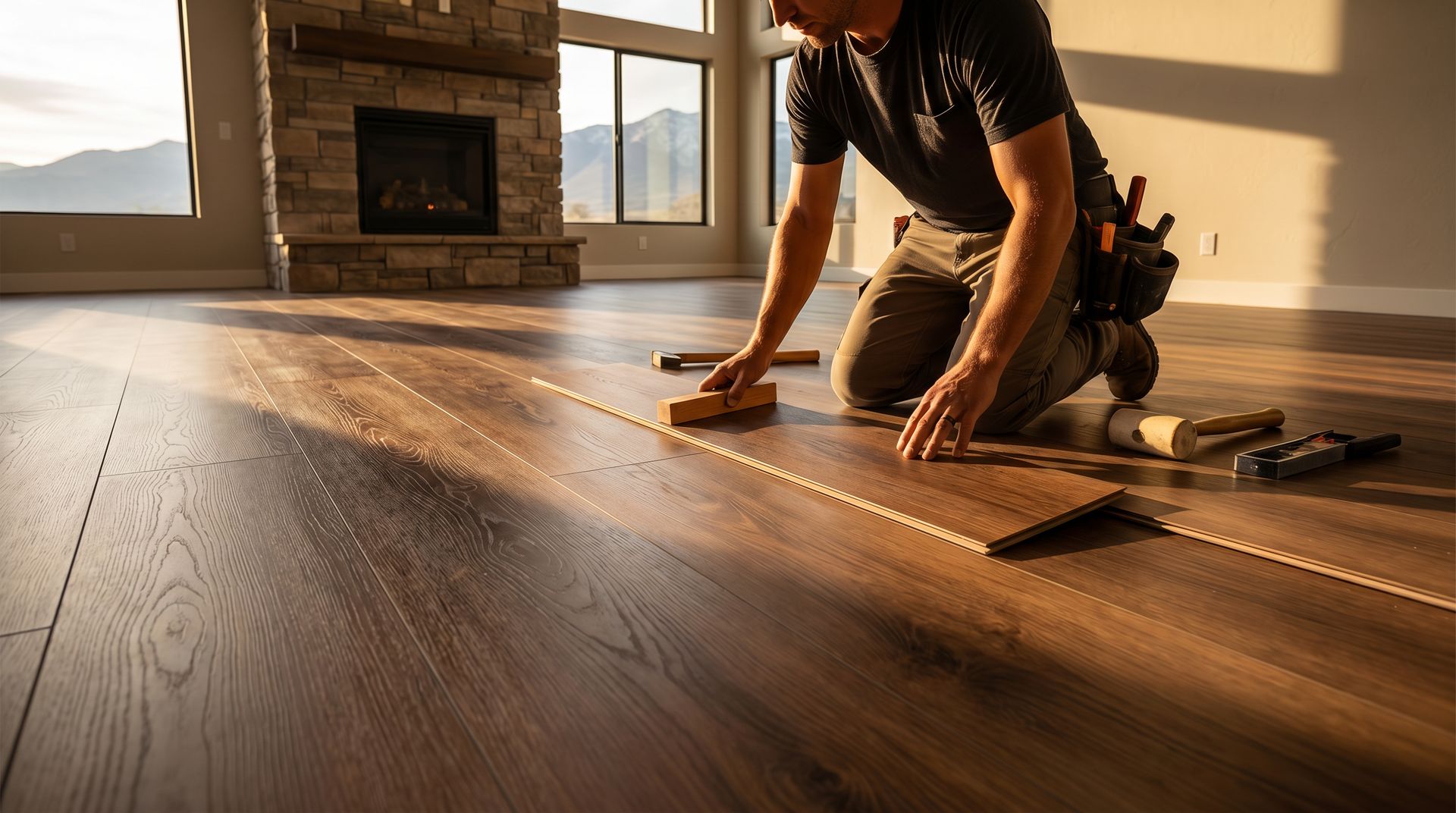
LVP installation is often better for living rooms, hallways, entryways, rental units, basements, pet-friendly homes, and commercial spaces. It is easier to clean than carpet and handles traffic well.
Laminate flooring can work in dry bedrooms, offices, dining rooms, and living spaces where you want a wood-look floor at a practical cost. It needs a flat, stable surface and should be used carefully around moisture.
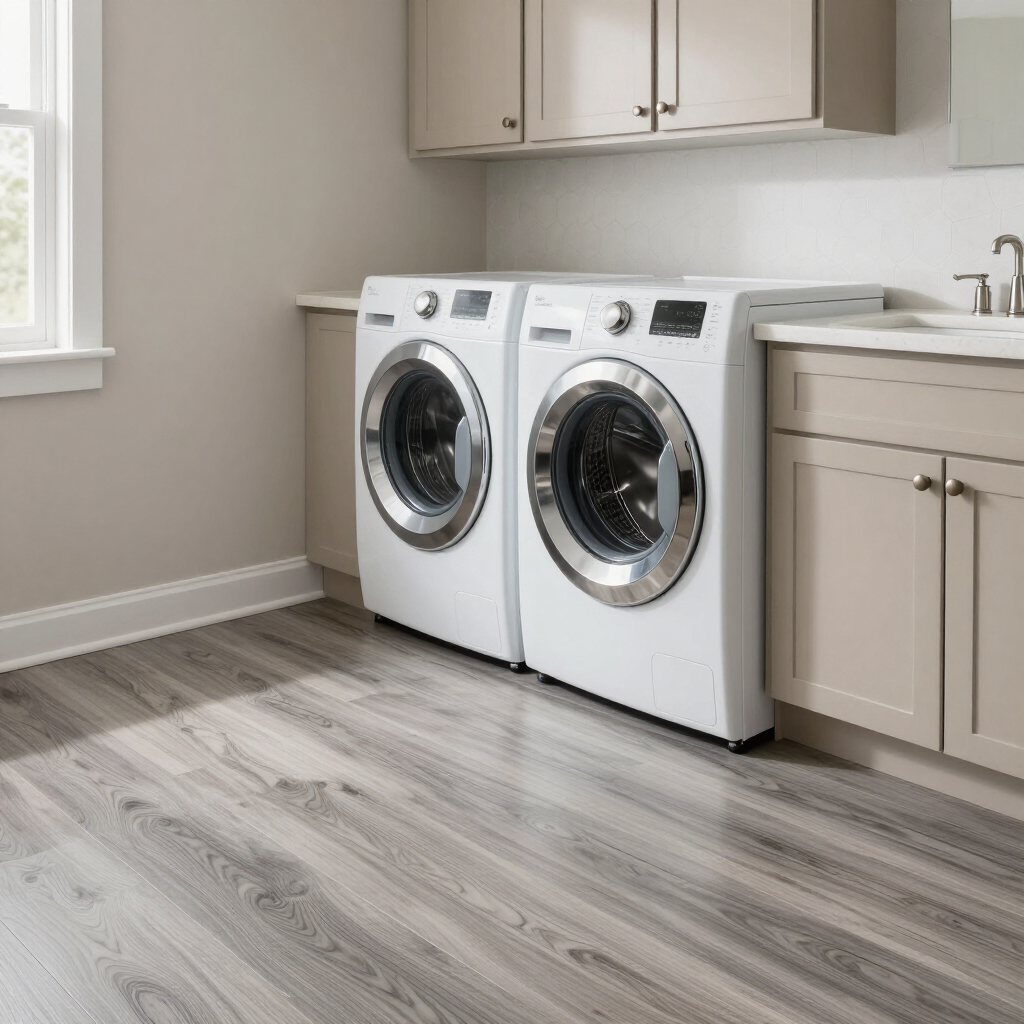
Sheet vinyl is often useful in bathrooms, laundry rooms, utility spaces, and budget-focused rentals. It can be practical in wet spaces, but it needs a smooth base.
Waterproof flooring is often best for kitchens, bathrooms, basements, laundry rooms, entryways, and pet-heavy areas where spills or moisture are a concern.
A good flooring contractor should not push one material everywhere. The right answer depends on the room, traffic, moisture, pets, budget, and timeline.
Why Property Managers Should Avoid DIY Carpet Installation
Property managers need speed, consistency, and fewer surprises. A DIY carpet install may save labor on paper, but if it delays a turnover, creates tenant complaints, or fails early, it can cost more than professional installation.
Rental flooring needs to be practical. Carpet may still make sense in bedrooms, but LVP may be better in living rooms, hallways, and entryways. Sheet vinyl or waterproof flooring may be better in bathrooms and laundry areas.
Residential Flooring Solutions helps property managers choose flooring by room and schedule installation efficiently. That matters when a vacant unit needs to be ready quickly.
Why Subfloor Prep Should Not Be Skipped
Subfloor prep is one of the biggest differences between a basic install and a professional flooring job.
Before installing carpet, LVP, laminate, sheet vinyl, or waterproof flooring, the base should be clean, dry, flat, and stable. Soft spots, squeaks, dips, cracks, pet odor, and water damage should be addressed before the finished floor goes down.
Skipping prep does not save money. It moves the cost into the future.
The Bottom Line: DIY Is Possible, But Professional Installation Protects the Floor
Diy carpet installation is possible, but it is usually not the best choice for full rooms, stairs, rental properties, commercial spaces, or homes with pets, odor, moisture, or subfloor concerns. Carpet installation is a skilled process that depends on measuring, padding, seams, stretching, transitions, and prep.
For homeowners and property managers in West Jordan, South Jordan, and greater Salt Lake County, the best flooring decision starts with the room. Carpet may be right for bedrooms and stairs. LVP may be better for traffic and rentals. Laminate, sheet vinyl, and waterproof flooring may solve different problems.
Request a free estimate from Residential Flooring Solutions for carpet installation, carpet replacement, LVP installation, laminate flooring, sheet vinyl, waterproof flooring, commercial flooring, or subfloor repair. Get honest pricing, proper prep, quality materials, and timely installation from a local flooring contractor that helps you choose the right floor before the work begins.
Recent Posts