Luxury Vinyl Plank Flooring | Everything you Need to Know
TL;DR
- Luxury Vinyl Plank Flooring is a strong choice for kitchens, living rooms, hallways, basements, rental properties, commercial spaces, and pet-friendly homes.
- LVP is popular because it gives you a wood-look floor with easier cleaning, strong durability, and better moisture resistance than many carpet or laminate options.
- LVP is often better than carpet in high-traffic, spill-prone, or pet-heavy areas, but carpet can still be better for bedrooms, stairs, and upstairs rooms where comfort and sound control matter.
- LVP is usually stronger than laminate flooring in moisture-prone rooms, while laminate can be a good value in dry bedrooms, offices, and living areas.
- LVP installation commonly ranges from about $4 to $14 or more per square foot installed, depending on product quality, room layout, removal, prep, transitions, and subfloor condition.
- The subfloor matters. LVP needs a clean, dry, flat, stable base, and subfloor repair should happen before installation if there are dips, soft spots, squeaks, moisture damage, or uneven concrete.
- A reliable flooring contractor should help you choose the right product by room, explain the full scope, provide honest pricing, and complete installation on schedule.
Luxury Vinyl Plank Flooring: Everything You Need to Know
Luxury Vinyl Plank Flooring has become one of the most practical flooring choices for homeowners and property managers in West Jordan, South Jordan, and the greater Salt Lake County area. It offers the look of hardwood, the cleaning benefits of vinyl, and the durability needed for busy kitchens, living rooms, basements, entryways, offices, and rental properties.
The key is knowing where LVP works best, how it compares to other flooring types, what installation should include, and why proper prep matters before any plank goes down. Residential Flooring Solutions can help you compare carpet installation, LVP and laminate flooring, and subfloor repair so you can make a practical decision based on the room, budget, and long-term use.
What Is Luxury Vinyl Plank Flooring?
Luxury vinyl plank flooring, often called LVP, is a layered vinyl-based flooring product designed to look like hardwood planks. It comes in long plank shapes, with wood-look colors, grain patterns, textures, and finishes that can match modern, rustic, traditional, or commercial spaces.
LVP is not natural hardwood, and it is not the same as sheet vinyl. It is also different from laminate flooring. The main advantage of LVP is that it gives you a hard-surface floor that can handle daily life better than many traditional options, especially where cleaning, moisture, pets, and traffic are concerns.
For many Utah homes and rentals, LVP is used in kitchens, living rooms, hallways, basements, entryways, and rental units because it is easier to maintain than carpet and more moisture-aware than many laminate products.

How Luxury Vinyl Plank Flooring Is Made
LVP is built in layers. Each layer affects how the flooring looks, feels, and performs.
Wear Layer
The wear layer is the top protective surface. It helps protect the plank from scratches, scuffs, stains, and normal daily traffic. A stronger wear layer is usually better for pets, kids, rental units, offices, and high-use living areas.
Wear layer thickness matters, but it should not be the only thing you compare. Core type, locking system, product quality, warranty, and installation requirements also affect long-term performance.
Decorative Image Layer
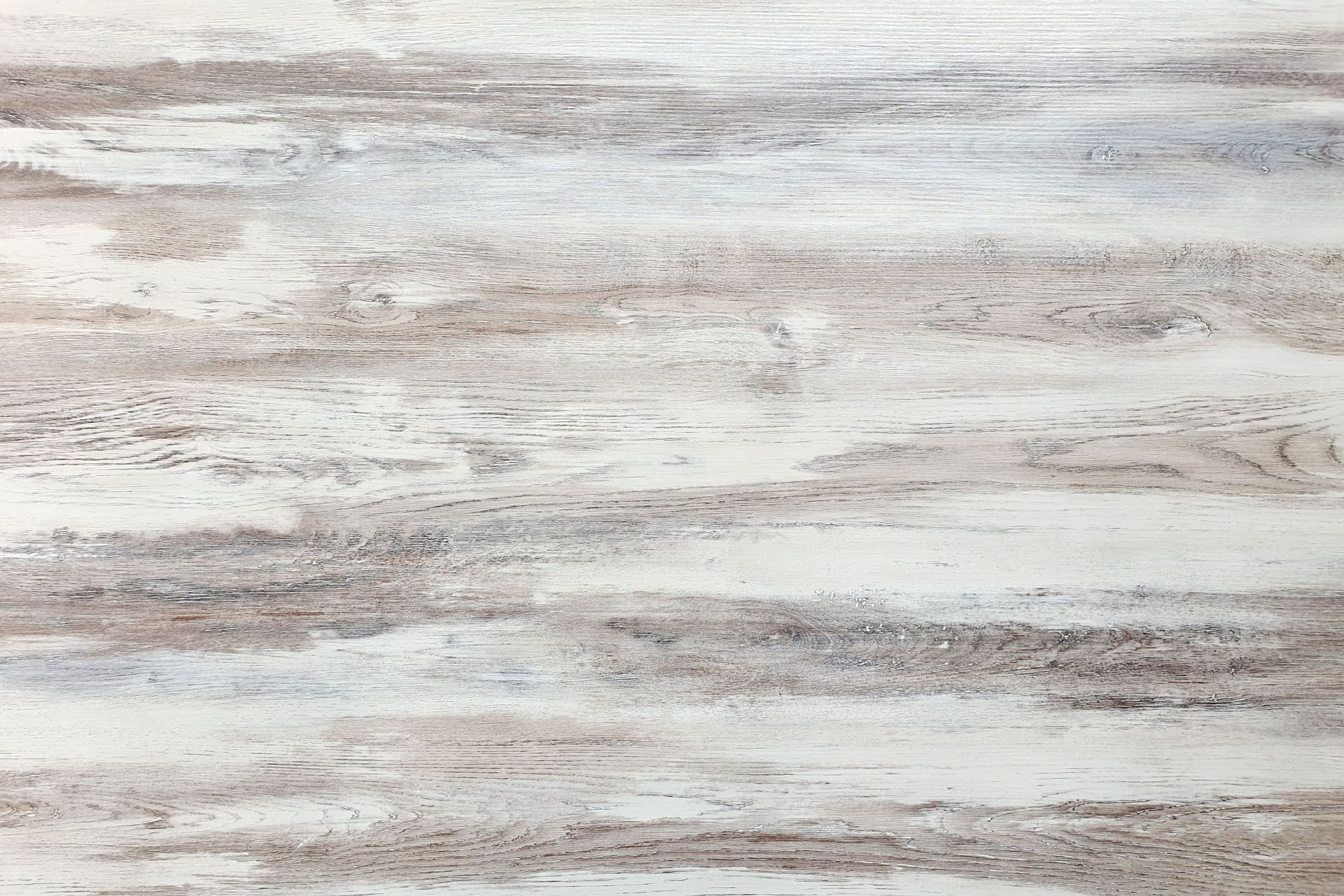
The image layer gives LVP its wood-look appearance. Better products use realistic wood grain patterns, natural color variation, and textured surfaces. Some products also use embossing that follows the printed grain pattern, which makes the plank look and feel more like real wood.
Always view samples in the actual room lighting when possible. A color that looks warm in a showroom can look different under Utah daylight, basement lighting, or apartment lighting.
Core Layer
The core gives the plank structure. Common LVP core types include flexible vinyl, WPC, and SPC.
Flexible LVP is often used in glue-down applications and needs a very smooth, well-prepared surface.
WPC flooring often feels warmer and softer underfoot. It can be a good fit for living rooms, bedrooms, and residential spaces where comfort matters.
SPC flooring is usually denser and more rigid. It is often a strong choice for rental properties, kitchens, entryways, commercial spaces, and high-traffic areas.
Backing Layer
Some LVP includes attached backing. This can help with sound and comfort, but it does not remove the need for subfloor prep. If the floor underneath is uneven, damp, loose, or damaged, the finished floor can still move, click, separate, or fail early.
Is Luxury Vinyl Plank Flooring Waterproof?
Many LVP products are marketed as waterproof, but you should understand what that means. The plank itself may resist water, but the entire room is not automatically protected from leaks or moisture damage.
Water can still move around edges, transitions, walls, cabinets, appliances, and damaged seams. A waterproof product does not fix a wet subfloor, active leak, moisture coming through concrete, or past water damage.
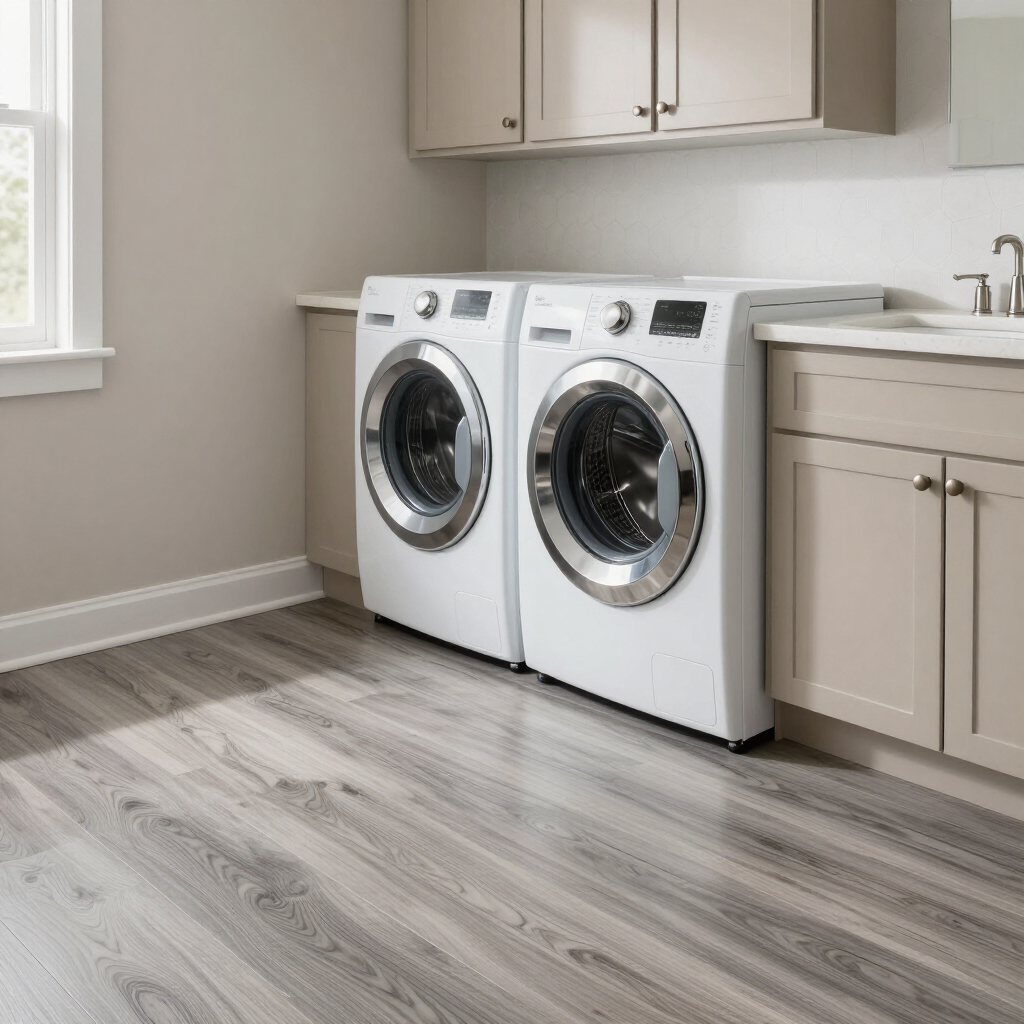
LVP can be a strong choice for kitchens, laundry rooms, entryways, basements, pet areas, and rental units, but proper installation and moisture awareness still matter.
Where LVP Works Best
Kitchens
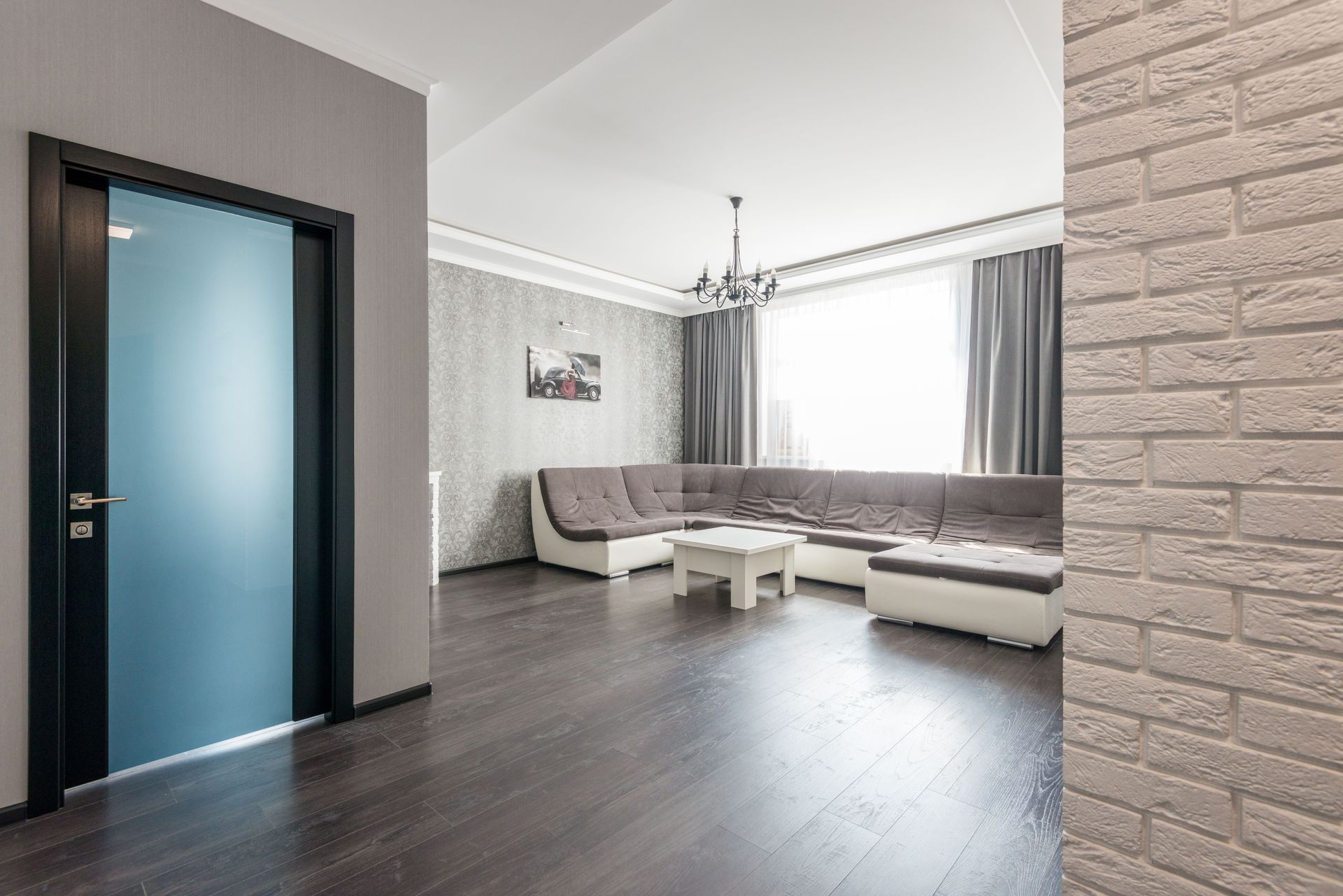
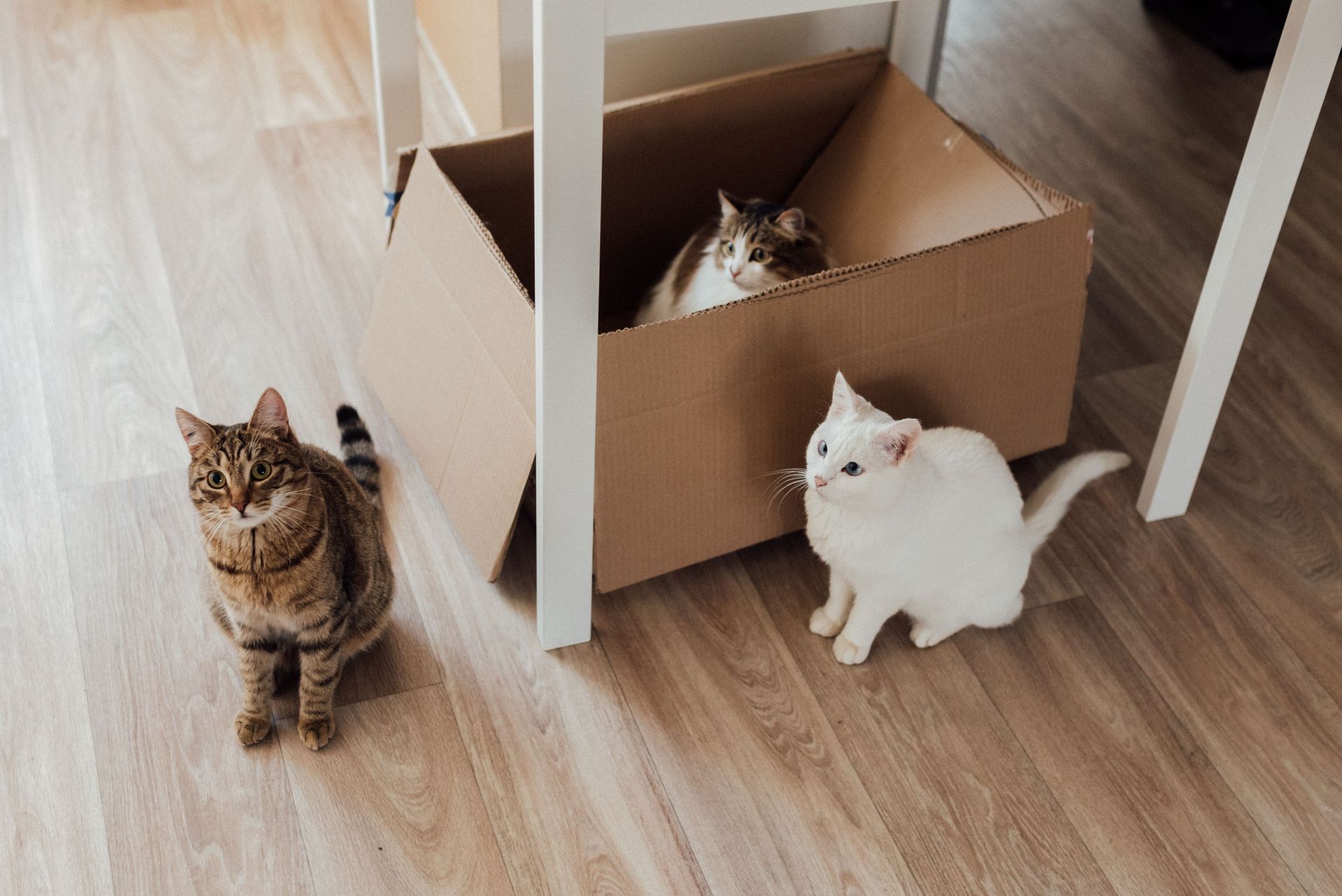
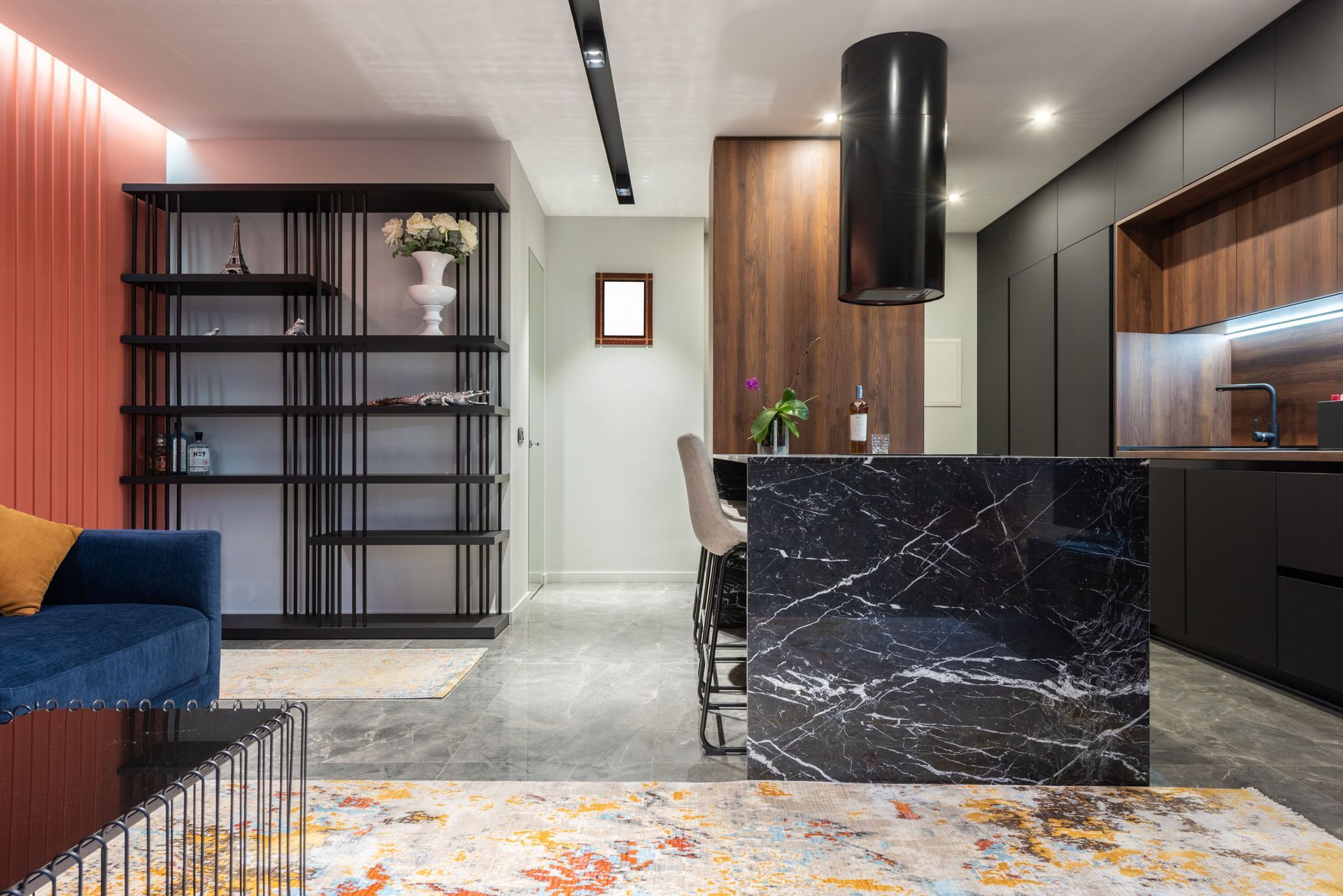
LVP is one of the most practical kitchen flooring options. It handles daily foot traffic, minor spills, pet activity, and open-concept layouts well. Compared to tile, it can feel warmer and softer underfoot. Compared to carpet, it is much easier to clean.
Living Rooms and Hallways
Living rooms and hallways see a lot of use. LVP gives you a clean wood-look surface that is easier to maintain than carpet. It can also help create a consistent look between kitchens, dining areas, and main walkways.
Entryways and Mudrooms
Utah entryways deal with snow, salt, dirt, and wet shoes. Carpet in these areas can stain and wear quickly. LVP or waterproof flooring is usually a better choice because it is easier to clean and better suited for seasonal moisture.
Basements
LVP can work well in basements when moisture is controlled. The concrete or subfloor should be checked before installation. If there are cracks, dips, moisture stains, or active water problems, those issues should be addressed first.
Rental Properties
For property managers, LVP can reduce repeated carpet cleaning and replacement in high-use areas. It is a strong option for living rooms, hallways, entryways, and pet-friendly units. Carpet may still make sense in bedrooms where comfort and sound control matter.
Commercial Spaces
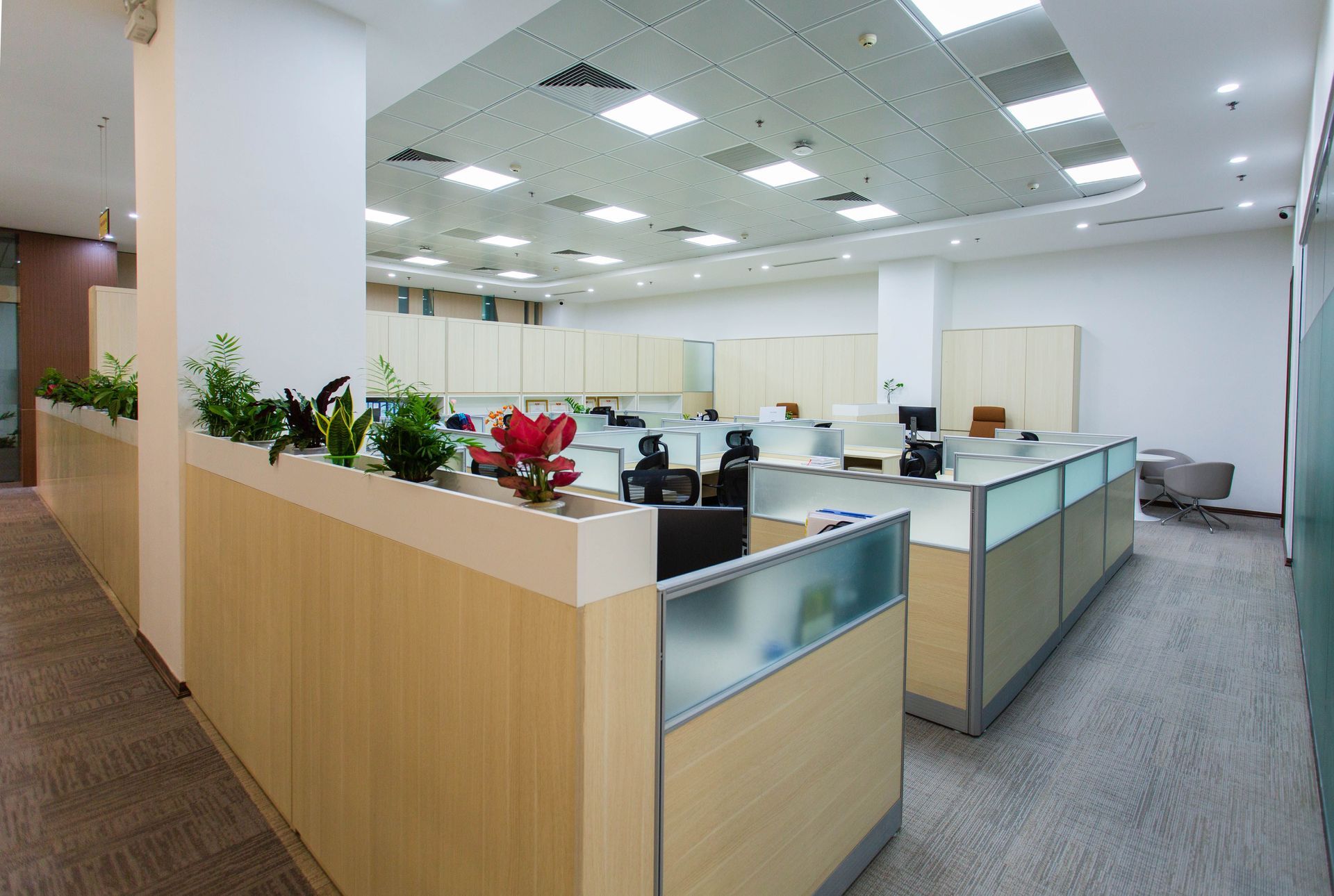
LVP can be used in offices, retail spaces, waiting areas, showrooms, and other commercial flooring applications. Product rating matters. Commercial spaces often need flooring that can handle more traffic, frequent cleaning, rolling chairs, and shorter downtime for installation.
LVP vs Carpet
LVP and carpet serve different purposes.
Choose LVP when you need:
- Easier cleaning
- Better spill resistance
- Pet-friendly performance
- A hard-surface wood look
- Durability in high-traffic rooms
- A practical option for rentals or commercial spaces
Choose carpet when you need:
- Warmth
- Softness
- Sound control
- Comfort in bedrooms
- Safer feel on some stairs
- A cozy upstairs room or family space
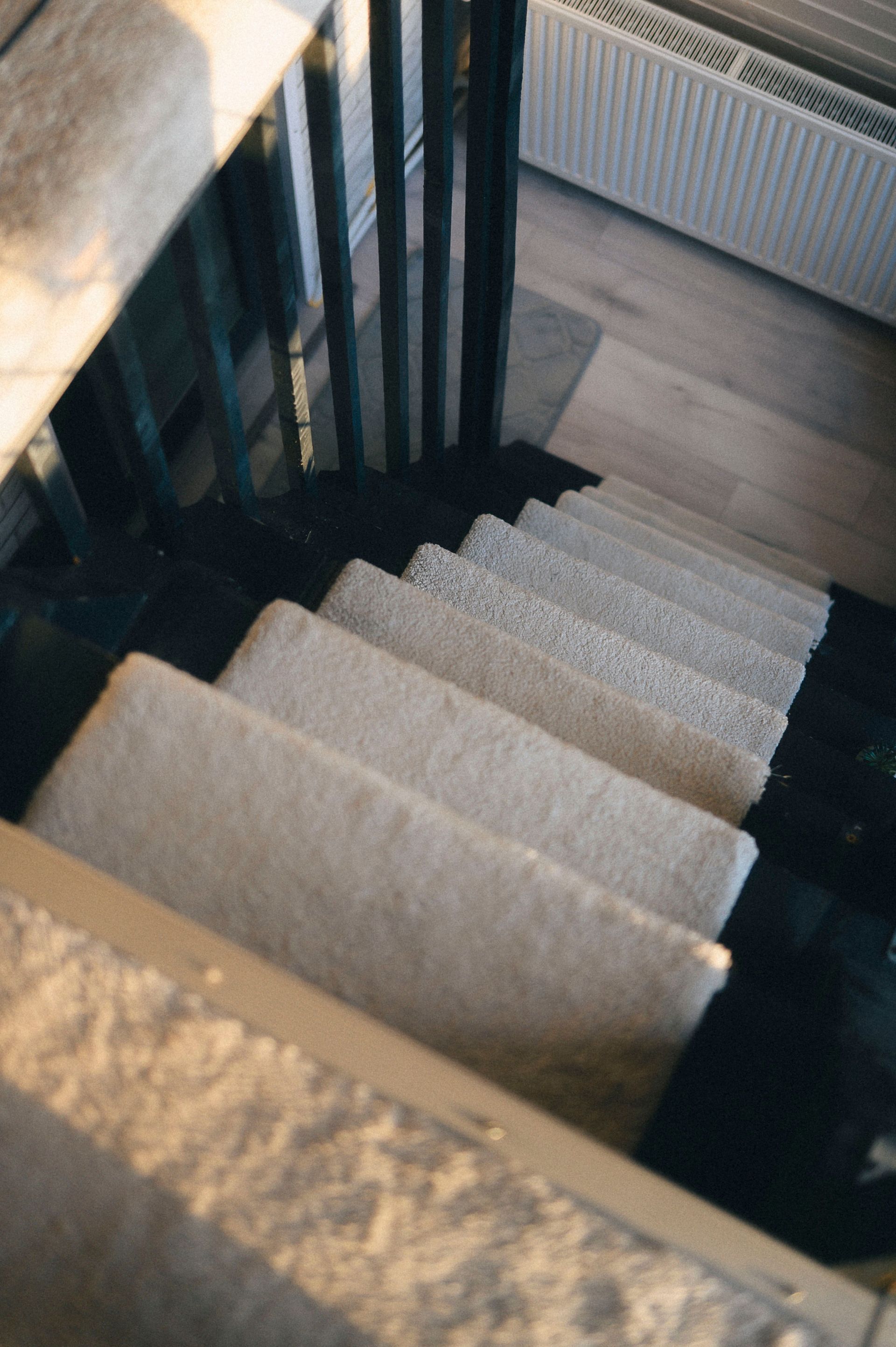
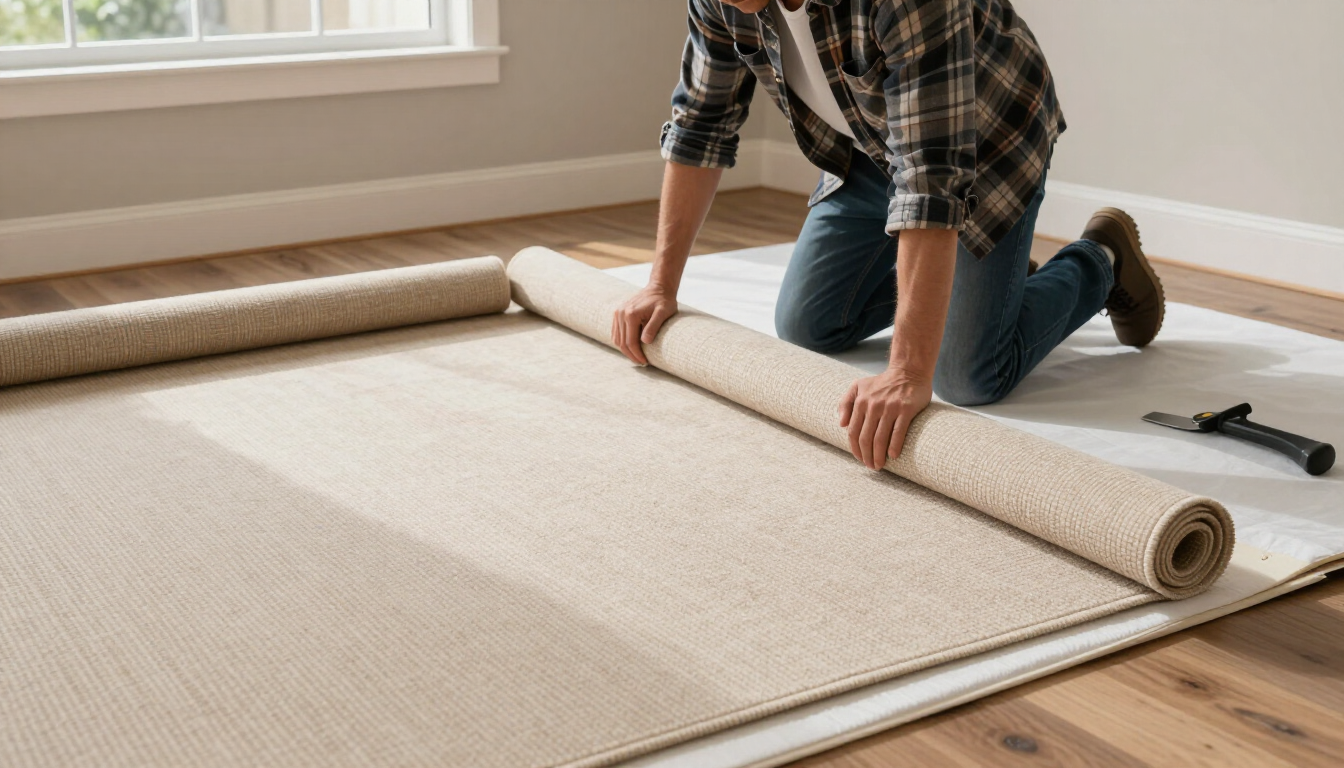
Carpet installation is still a smart choice for bedrooms, stairs, nurseries, and upstairs spaces. The key is using quality padding and choosing carpet that matches the traffic level of the room.

LVP vs Laminate Flooring
LVP and laminate flooring can look similar, but they are built differently.
LVP uses vinyl-based or composite vinyl construction. Laminate flooring usually uses a dense fiberboard core. That core difference affects moisture performance. LVP is usually the stronger choice for kitchens, basements, entryways, pet-friendly spaces, and rental units. Laminate flooring can be a strong value in dry rooms like bedrooms, offices, and low-moisture living areas.
Laminate can have strong scratch resistance and a clean wood-look finish, but it should be used carefully where standing water or frequent spills are likely.
LVP vs Sheet Vinyl and Waterproof Flooring
Sheet vinyl is often more budget-friendly than LVP and can work well in bathrooms, laundry rooms, utility rooms, and rentals. Since it comes in large sheets, it can reduce seams in small spaces. It does require a smooth subfloor because bumps and imperfections can show through.
Waterproof flooring is a broad category and may include different product types. It can be a strong choice for bathrooms, basements, laundry rooms, entryways, and pet-heavy homes. Like LVP, it still needs proper prep and a dry, stable base.
Luxury Vinyl Plank Flooring Cost
LVP installation cost depends on the product, room size, layout, prep, old flooring removal, disposal, transitions, furniture moving, stairs, and subfloor condition.
Common planning ranges include:
- Basic LVP installation: about $4 to $7 per square foot installed
- Mid-range LVP installation: about $6 to $10 per square foot installed
- Premium or specialty rigid-core LVP: about $9 to $14 or more per square foot installed
Additional costs may include removing old carpet, pulling tack strips, disposing of old flooring, moving furniture, installing transitions, trimming doors, leveling concrete, repairing subfloor damage, or addressing moisture issues.
A clear estimate should show what is included. Material-only pricing does not tell you the full project cost. Honest pricing should include the details that protect the finished floor.
Subfloor Repair Before LVP Installation
LVP needs a clean, dry, flat, stable base. Hard-surface flooring can reveal problems that carpet may hide.
You may need subfloor repair if you notice:
- Soft spots
- Squeaks
- Dips
- Loose panels
- Uneven concrete
- Raised seams
- Water stains
- Pet odor
- Spongy areas
- Cracked concrete
- Floor movement
- Old adhesive buildup
Residential Flooring Solutions often sees flooring projects where the visible floor is only part of the problem. Once old carpet or vinyl is removed, the real issue may be a soft subfloor, uneven concrete, or odor trapped below the old flooring. Fixing those issues first helps the new floor last longer and reduces the risk of callbacks.
Skipping prep can lead to gaps, movement, hollow sounds, broken locking systems, and premature wear.
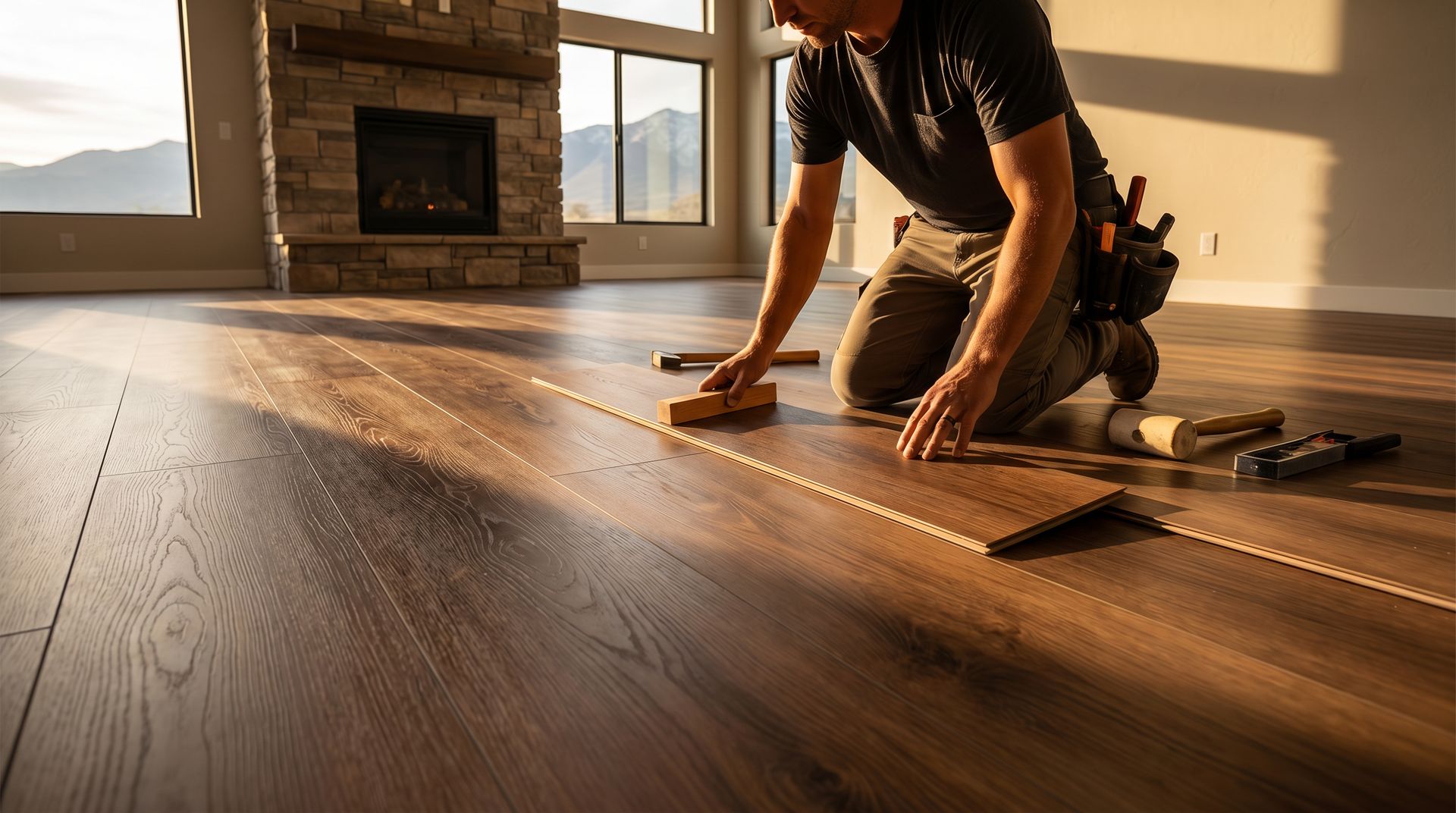
How the LVP Installation Process Works
Consultation and Product Selection
Your contractor should start by asking how the room will be used. Pets, kids, renters, moisture, traffic, and cleaning needs all matter. This is also the time to compare LVP with carpet, laminate flooring, sheet vinyl, and waterproof flooring.
Measurement and Estimate
A proper estimate should include square footage, waste, layout, transitions, stairs, closets, removal, disposal, prep, and schedule. You should know what is included before work begins.
Removal and Prep
Old flooring may need to be removed before installation. The crew should inspect the subfloor, remove debris, repair damaged areas, patch low spots, level uneven concrete, and address odor or moisture concerns.
Installation and Finishing
The planks are installed according to product requirements. This may include expansion gaps, careful cuts around walls and cabinets, balanced layout, clean transitions, and proper edge detail.
Cleanup and Walkthrough
A good contractor should clean the work area, review the finished floor, check transitions, and explain basic care.
How to Maintain LVP
LVP is low-maintenance, but it still needs basic care.
Sweep or vacuum regularly. Use a damp mop when needed. Clean spills promptly. Use felt pads under furniture. Avoid dragging heavy items across the floor. Keep entry mats near doors. Avoid harsh abrasives, waxes, or cleaners not approved for vinyl plank flooring.
For rentals and commercial spaces, a simple maintenance plan helps preserve the floor and reduce avoidable damage.
Is Luxury Vinyl Plank Flooring Right for You?
Luxury vinyl plank flooring is one of the most versatile flooring options for Utah homes, rentals, and commercial spaces. It works especially well in kitchens, living rooms, hallways, basements, entryways, pet-friendly homes, and high-traffic areas.
Carpet still has a place in bedrooms, stairs, and sound-sensitive areas. Laminate flooring can work well in dry spaces. Sheet vinyl and waterproof flooring can be strong choices for bathrooms, laundry rooms, utility rooms, and budget-focused projects.
The best choice depends on the room, the subfloor, the traffic level, the moisture risk, and your long-term cost goals.
For luxury vinyl plank flooring, LVP installation, carpet installation, laminate flooring, sheet vinyl, waterproof flooring, commercial flooring, or subfloor repair in West Jordan, South Jordan, and greater Salt Lake County, request a free estimate from Residential Flooring Solutions. Get clear pricing, durable materials, proper prep, and timely installation from a flooring contractor built to help you choose the right product for the space.