How LVP Flooring Is Made
LVP stands for luxury vinyl plank. It is a layered flooring product made to resemble hardwood, stone, or tile while providing a more practical hard-surface option for many homes and rentals.
The Protective Wear Layer
The top layer is the wear layer. It protects the flooring from normal scratches, scuffs, stains, and daily foot traffic. Higher-quality LVP often has a stronger protective coating and thicker wear layer, which can make a difference in homes with pets, children, active families, or rental tenants.
The wear layer matters, but it is not the only measure of quality. Core construction, backing, locking system, installation method, and subfloor condition all affect performance.
The Decorative Image Layer
Below the wear layer is the visual layer. This is the printed image that creates the wood grain, stone texture, or tile look.
Modern LVP can look very realistic because manufacturers use high-resolution photography, color variation, texture, and embossed surface detail. Better products often have more natural grain variation and a finish that feels closer to real wood.
The Core Layer
The core is the main structure of the plank. It affects stability, comfort, rigidity, and moisture performance.
There are several common LVP core types.
Flexible LVP is thinner and more flexible. It is often used in glue-down installations and can be a strong option when installed over a properly prepared surface.
WPC flooring has a softer composite core. It can feel warmer and more comfortable underfoot, which may make it attractive for living rooms and bedrooms.
SPC flooring has a denser rigid core. It is often a strong choice for high-traffic spaces, rental properties, entryways, kitchens, and homes with pets. SPC can feel firmer than WPC, but it is often valued for its stability and durability.
The Backing Layer
Many LVP products include an attached backing. This can improve comfort and help reduce sound. However, attached backing does not eliminate the need for proper preparation.
The floor underneath still needs to be clean, dry, stable, and flat enough for the product requirements. Backing can improve the feel of the floor, but it cannot correct soft spots, major dips, loose panels, or moisture problems.
How Laminate Flooring Is Made
Laminate flooring is also a layered product, but it is built differently than LVP. Its main structure is usually a dense fiberboard core rather than a vinyl or composite vinyl core.
Laminate can be a smart choice for dry rooms where you want a durable wood-look surface at a practical price.
The Wear Surface
Laminate has a clear protective surface layer that helps resist scratches, scuffs, and normal household wear. Many laminate products use a durable overlay that gives the material its hard surface.
Quality laminate can perform very well in bedrooms, offices, dining rooms, and dry living spaces. It can be especially appealing for homeowners who want a clean wood-look finish without the cost of natural hardwood.
The Decorative Paper Layer
Under the protective surface is a printed decorative layer. This paper layer creates the visible color, grain pattern, and wood-look design.
Modern laminate has improved significantly in appearance. Many products offer realistic grain variation, texture, and larger plank formats that create a more natural finished look.
The Fiberboard Core
The core of laminate flooring is generally made from high-density fiberboard. This gives the plank structure and supports the locking system.
The fiberboard core is also the main reason laminate should be used carefully around moisture. A quality laminate product may have improved moisture resistance, but it is still not the same as a waterproof vinyl core.
If water reaches the seams or sits on the floor for too long, laminate can swell, separate, or lose shape. That makes product selection and proper installation especially important.
The Stabilizing Backing
The bottom layer helps stabilize the plank and balance the overall construction. It supports the floor from below and helps reduce movement.
Even with a quality backing layer, laminate flooring needs a dry base, proper underlayment when required, and the correct expansion space around walls and fixed objects.
LVP vs Laminate Flooring: The Most Important Differences
Moisture Resistance
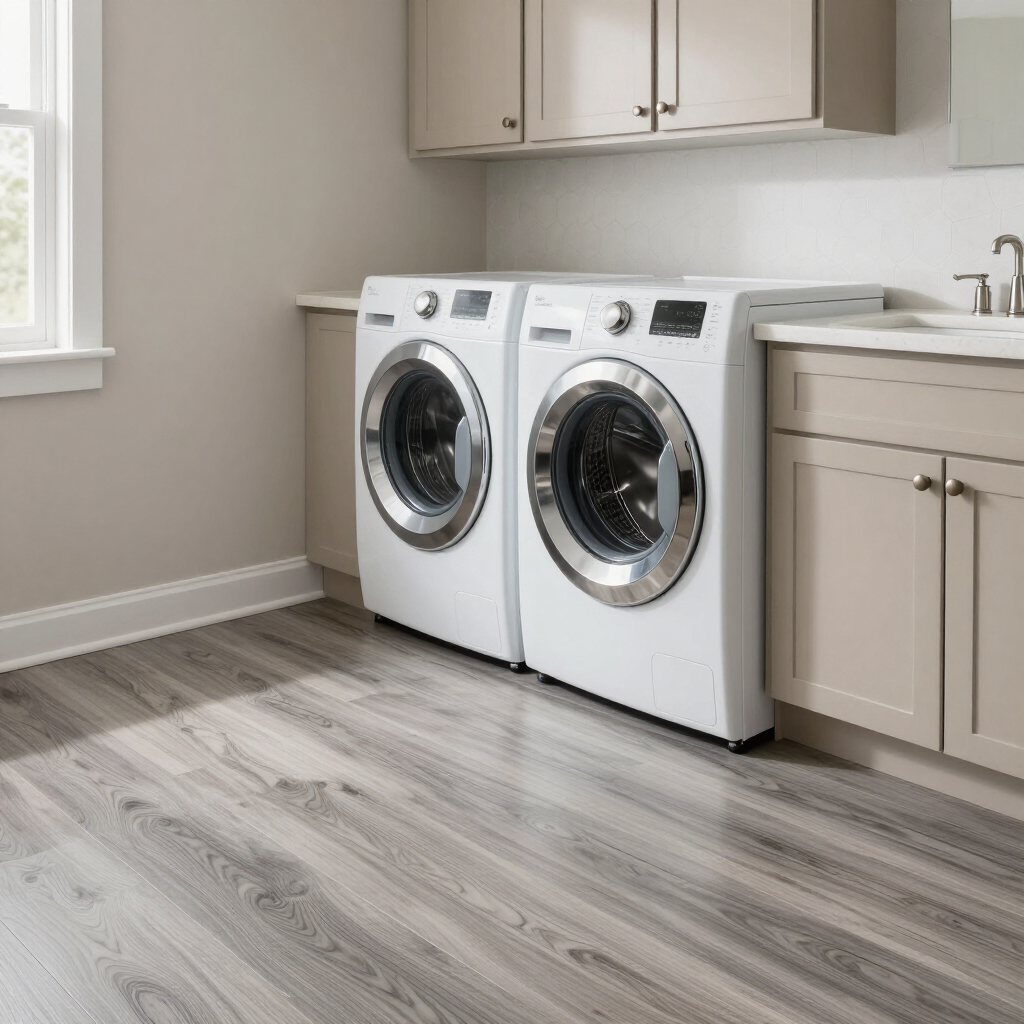
LVP is usually the better choice where water, spills, snow, salt, pets, or wet shoes are common. This makes it a strong option for entryways, kitchens, basements, laundry areas, and many rental properties.
Laminate flooring can be a great choice in dry areas, but it requires more caution around standing water and repeated spills.
Waterproof flooring can be even more appropriate for bathrooms, laundry rooms, basement spaces, and areas with a higher moisture risk. However, no waterproof flooring product solves an active leak, wet concrete, or hidden water issue underneath the floor.
Feel Underfoot
WPC LVP can feel softer and warmer than some hard-surface products. SPC LVP can feel more rigid and solid. Laminate often feels firm underfoot, though the right underlayment can improve comfort and reduce sound.
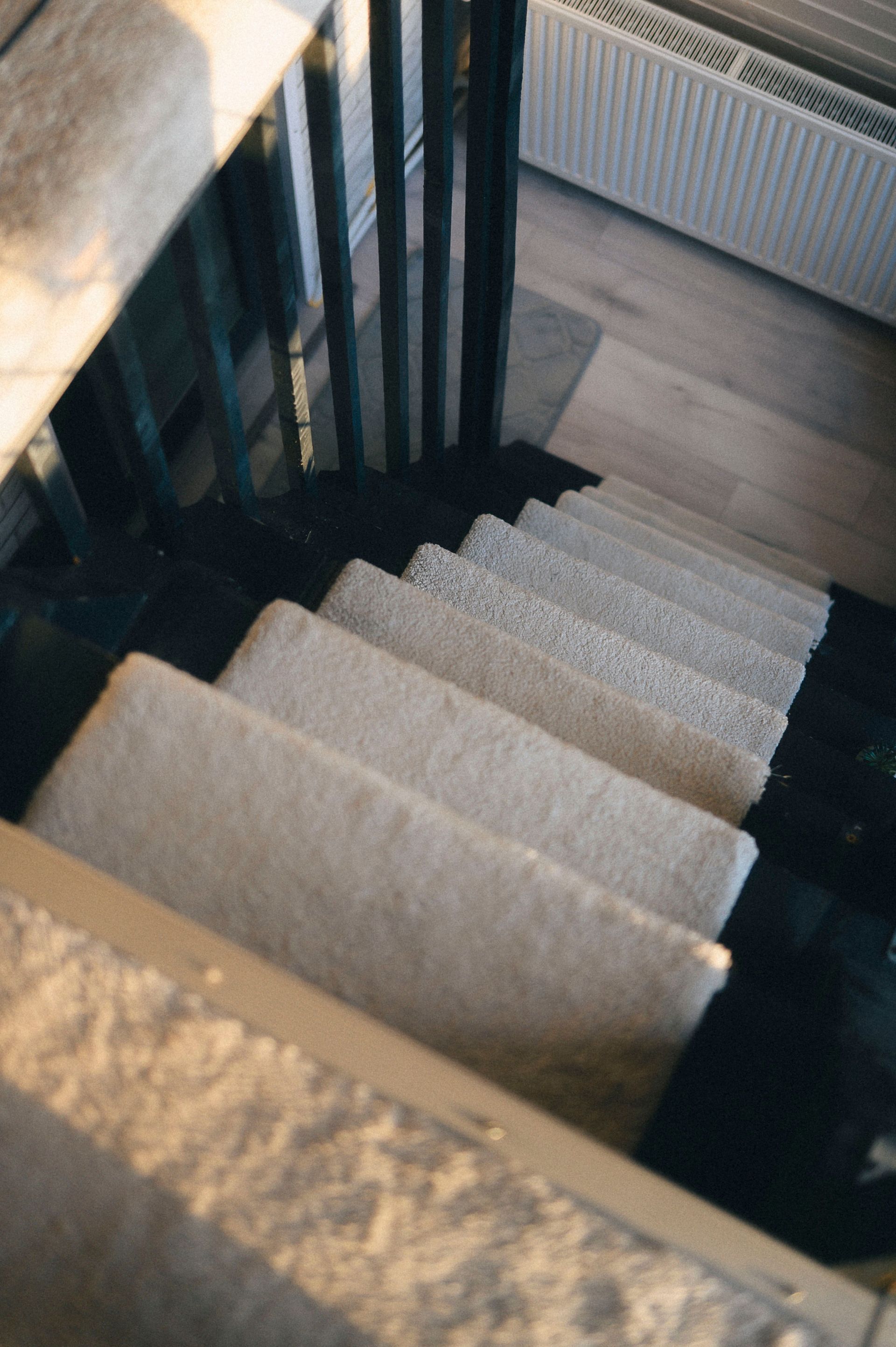
Carpet remains the softest flooring option. It is often the better choice for bedrooms, stairs, upper levels, and rooms where warmth and noise reduction matter more than moisture resistance.
Durability
Both LVP and laminate can be durable when installed in the right room.
LVP is often better for homes with pets, children, and frequent spills. Laminate can have strong scratch resistance and can work well in dry spaces with regular traffic.
The best way to protect either product is to install it over a properly prepared base.
Why Subfloor Repair and Prep Matter
Hard-surface flooring can reveal problems that carpet may hide.
If the subfloor has dips, soft spots, raised seams, squeaks, loose panels, cracked concrete, or moisture damage, LVP and laminate flooring may move, separate, sound hollow, or fail early.
You may need subfloor repair if you notice:
- Spongy areas underfoot
- Squeaks or floor movement
- Uneven transitions
- Dips or high spots
- Water stains
- Pet odor below old flooring
- Cracked or uneven concrete
- Loose plywood or damaged panels
Before installation, the flooring crew may need to remove old flooring, pull staples, repair damaged panels, patch low spots, level concrete, or address odor and moisture concerns.
Proper prep is not an extra detail. It is part of the flooring system. Skipping it can lead to more cost later because the finished floor may need to be removed and replaced before it should.
Where Carpet, Sheet Vinyl, and Waterproof Flooring
Fit
LVP and laminate are not the answer for every room.
Carpet Installation
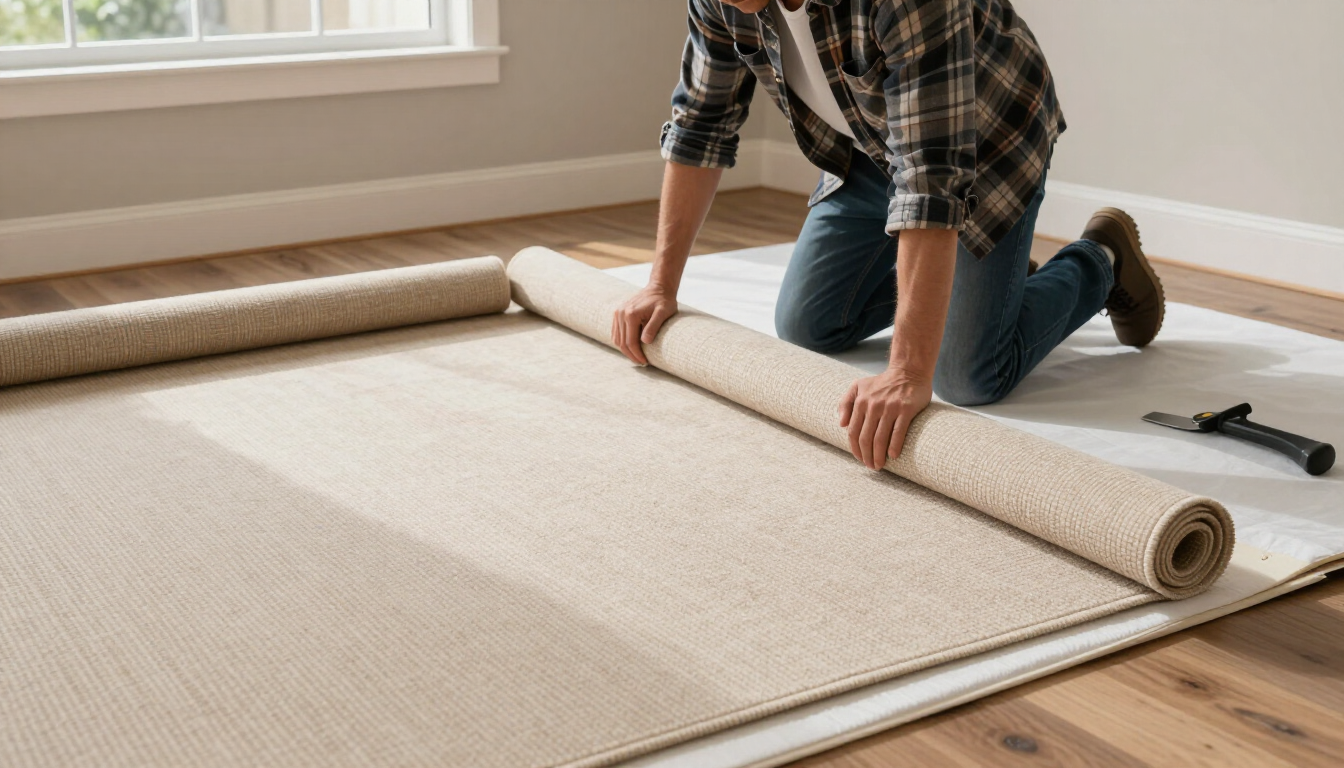
Carpet installation is often the best choice for bedrooms, stairs, upstairs rooms, and comfort-focused spaces. Carpet provides warmth, softness, and sound reduction that hard-surface flooring does not always offer.
Quality carpet padding matters. New carpet installed over old, compressed, stained, or damaged padding may wear faster and hold odors.
Sheet Vinyl
Sheet vinyl is a practical option for bathrooms, laundry rooms, utility spaces, and smaller kitchens. It can be cost-conscious, water-resistant, and easy to clean.
It does require a smooth surface because bumps, seams, or subfloor imperfections can show through.
Waterproof Flooring
Waterproof flooring is often worth considering for homes with pets, busy entryways, bathrooms, basements, and laundry rooms. It can provide easier cleanup and greater confidence around everyday spills.
Still, the base must be dry and stable. Waterproof flooring protects the surface, not an active leak below it.
LVP and Laminate Flooring Cost Planning
Pricing depends on product quality, room layout, removal, prep, transitions, furniture moving, and installation method.
Use these as planning ranges rather than final quotes:
- Basic LVP installation: about $4 to $7 per square foot installed
- Mid-range LVP installation: about $6 to $10 per square foot installed
- Premium LVP installation: about $9 to $14 or more per square foot installed
- Basic laminate flooring installation: about $3 to $6 per square foot installed
- Mid-range laminate flooring installation: about $5 to $9 per square foot installed
- Sheet vinyl installation: about $2 to $7 per square foot installed
- Waterproof flooring installation: about $4 to $12 per square foot installed
- Basic subfloor repair: about $2 to $7 per square foot, depending on the work needed
A complete estimate should explain what is included. Ask about removal, disposal, underlayment, transitions, trim, stair work, subfloor prep, and cleanup before the project begins.
How to Choose the Better Flooring Option
Choose LVP when you need moisture resistance, easy cleanup, pet-friendly durability, and a practical surface for busy rooms.
Choose laminate flooring when the room stays dry and you want a durable, attractive wood-look floor at a practical price.
Choose carpet when comfort, warmth, and sound control are the priority.
Choose sheet vinyl or waterproof flooring when moisture resistance is the main concern.
The right answer is rarely based on one product alone. Many homes and rentals use carpet in bedrooms, LVP in living rooms and entryways, sheet vinyl in utility spaces, and waterproof flooring in bathrooms or basements.
Choose Flooring Based on Real Use
LVP and laminate flooring can both be smart choices, but they are not built the same and should not be treated the same.
For homeowners and property managers in West Jordan, South Jordan, and greater Salt Lake County, the best flooring project begins with honest advice, accurate measurements, quality materials, and a careful review of the floor beneath the existing surface.
Request a free estimate from Residential Flooring Solutions for carpet installation, LVP installation, laminate flooring, sheet vinyl, waterproof flooring, or subfloor repair. Get clear pricing, proper prep, durable materials, and timely installation built around how you actually use your space.