Laminate Wood Flooring vs Carpet
Laminate and carpet serve different needs.
Laminate is better when you want a wood-look surface, easier dust control, and a harder finished floor. It can work well in dry living rooms, offices, dining areas, and some bedrooms.
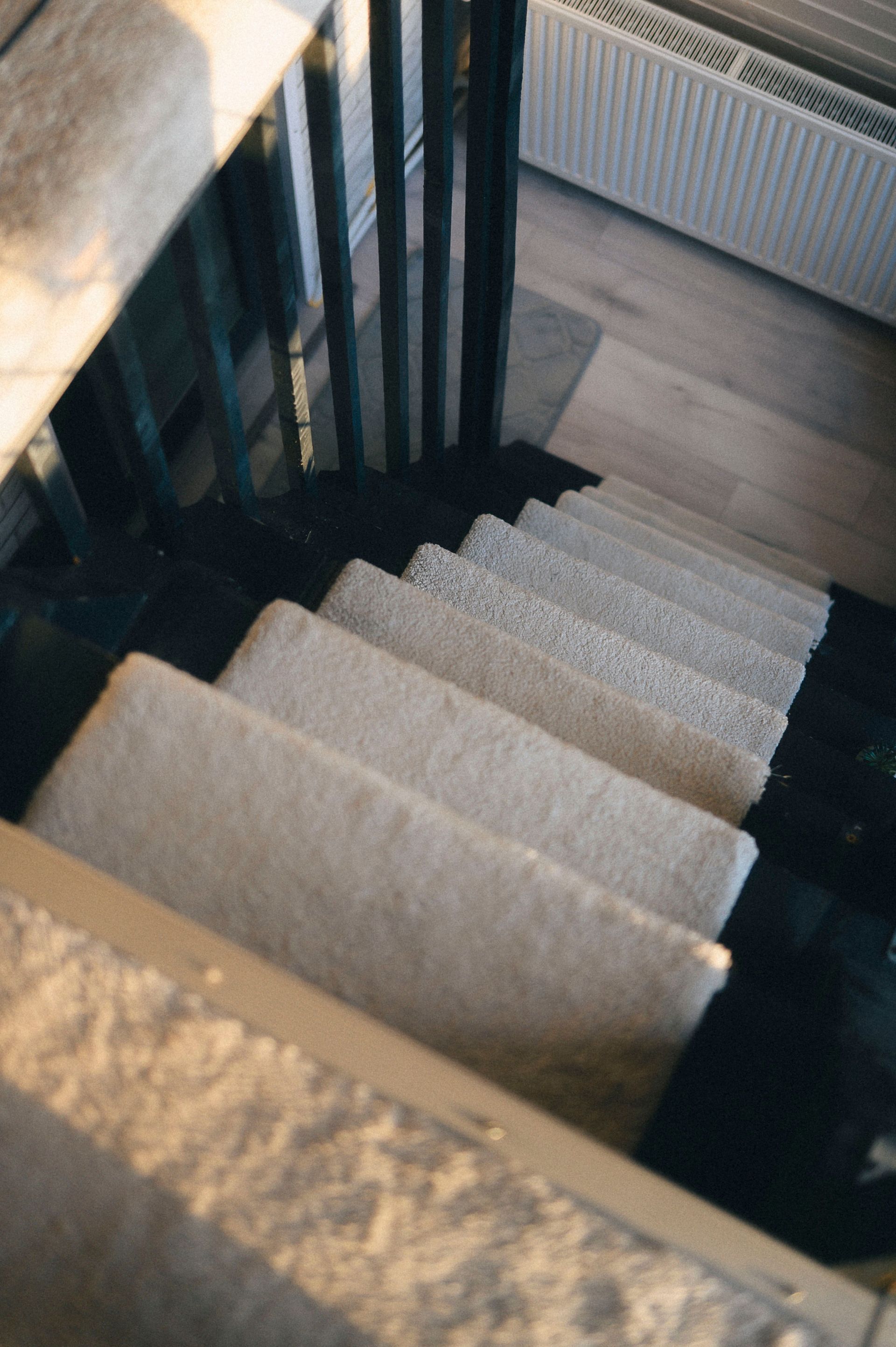
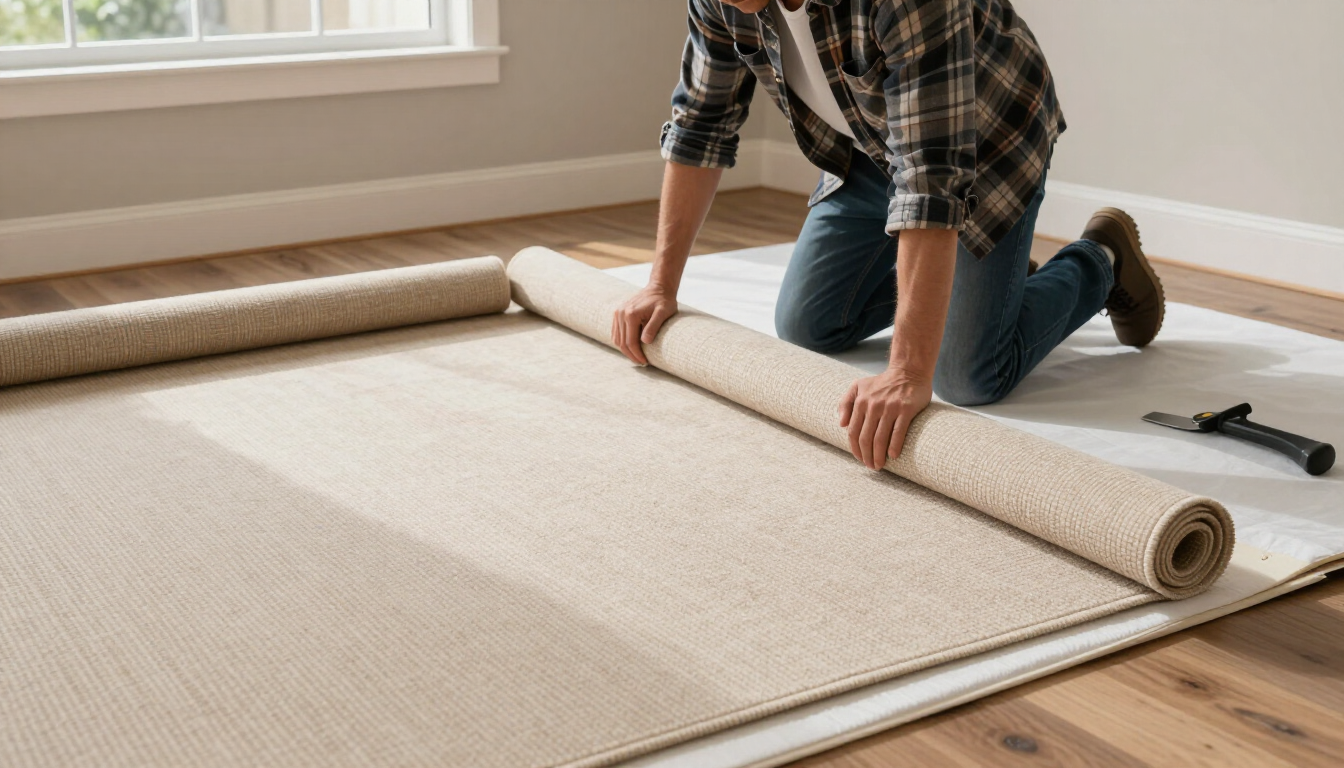
Carpet is better when you want softness, warmth, and sound control. Bedrooms, stairs, nurseries, and upstairs spaces often benefit from carpet installation because it feels comfortable and helps reduce noise.
For rental properties, a common strategy is carpet in bedrooms and LVP or laminate in selected living areas, depending on moisture and traffic. In pet-friendly or high-turnover rentals, LVP is often more practical than laminate or carpet in main living spaces.
Laminate vs Sheet Vinyl and Waterproof Flooring
Sheet vinyl is often a better fit for bathrooms, laundry rooms, utility spaces, and budget-focused wet areas. It is water resistant, cost conscious, and useful in smaller spaces where fewer seams are preferred. The main requirement is a smooth base because subfloor imperfections can show through.
Waterproof flooring is usually a better choice when moisture is one of the main concerns. Bathrooms, basements, mudrooms, pet areas, laundry rooms, and entryways often need flooring that can handle spills and cleanup better than laminate.
Laminate still makes sense in dry rooms where visual style and practical cost matter more than water resistance.
Best Rooms for Laminate Wood Flooring
Bedrooms
Laminate can work well in dry bedrooms, especially if you want a cleaner wood-look surface instead of carpet. Area rugs can add comfort and warmth.
However, if sound control and softness are the top priorities, carpet may still be the better choice.
Living Rooms
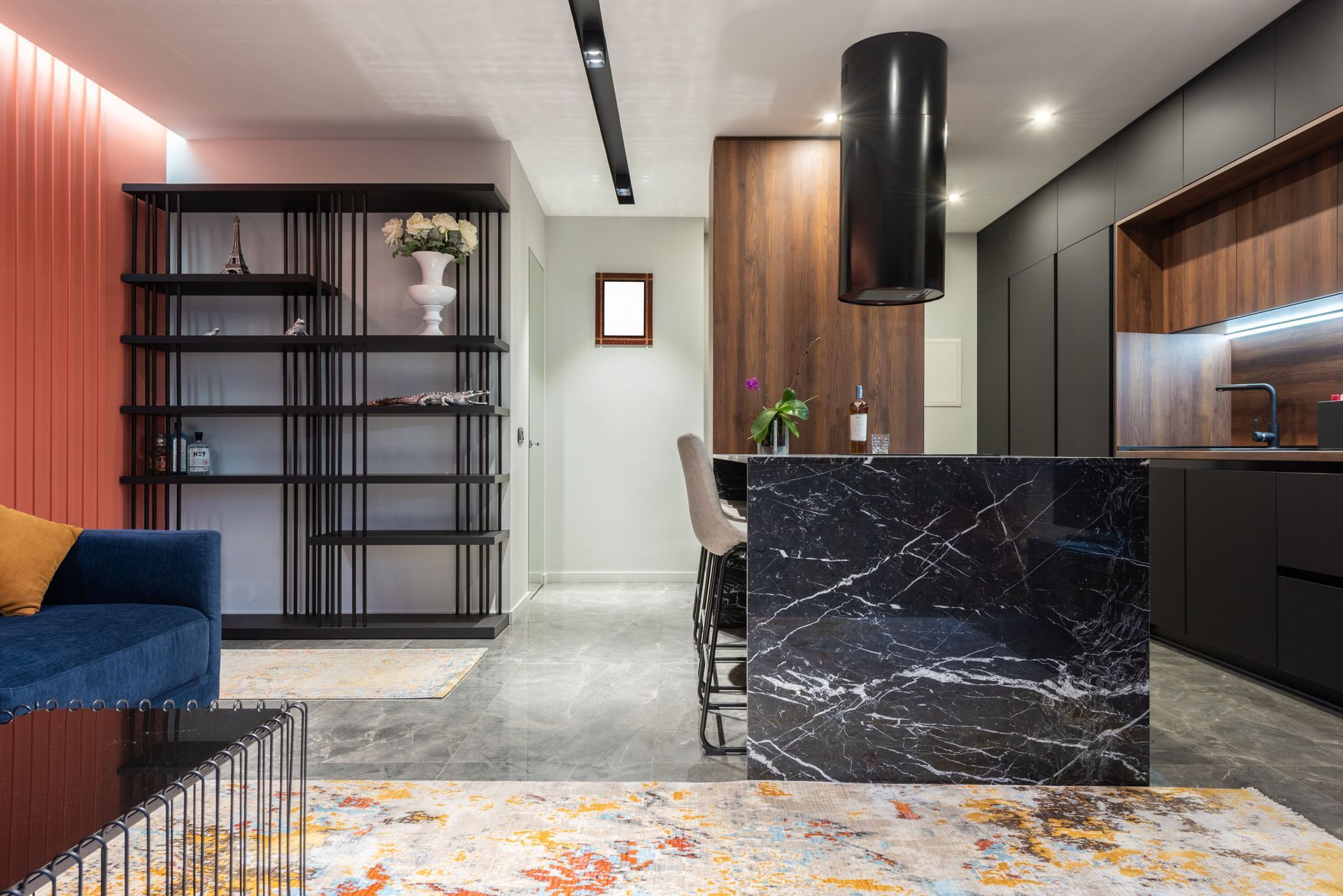
Dry living rooms are one of the better places for laminate. It creates a clean, finished look and can be easier to maintain than carpet.
If the living room connects directly to a kitchen, entryway, or pet area, LVP may be a better long-term choice.
Offices
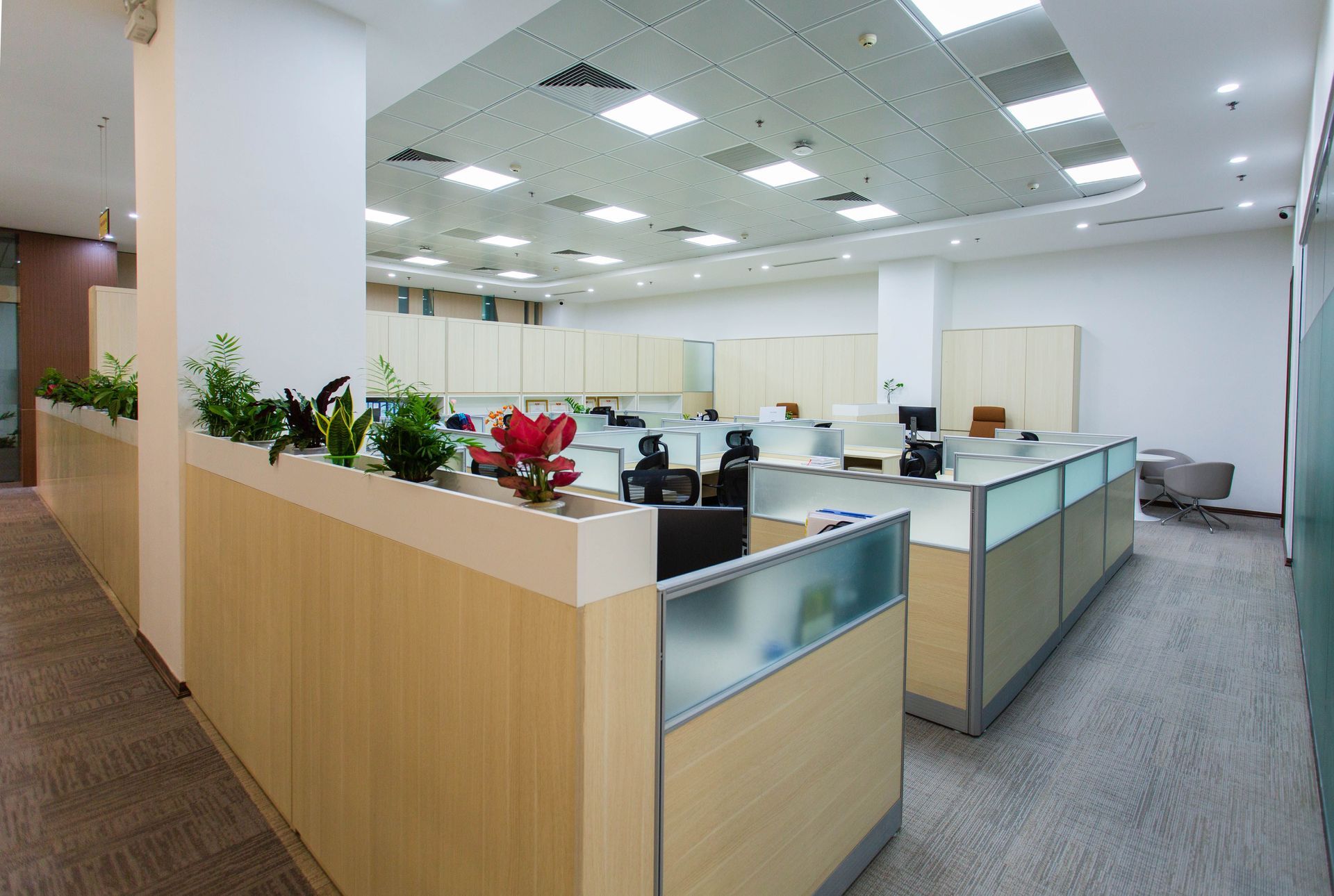
Laminate can be a strong office flooring option because it provides a firm surface and a professional look. Use chair mats, furniture pads, and proper underlayment to protect the floor and reduce noise.
Dining Rooms
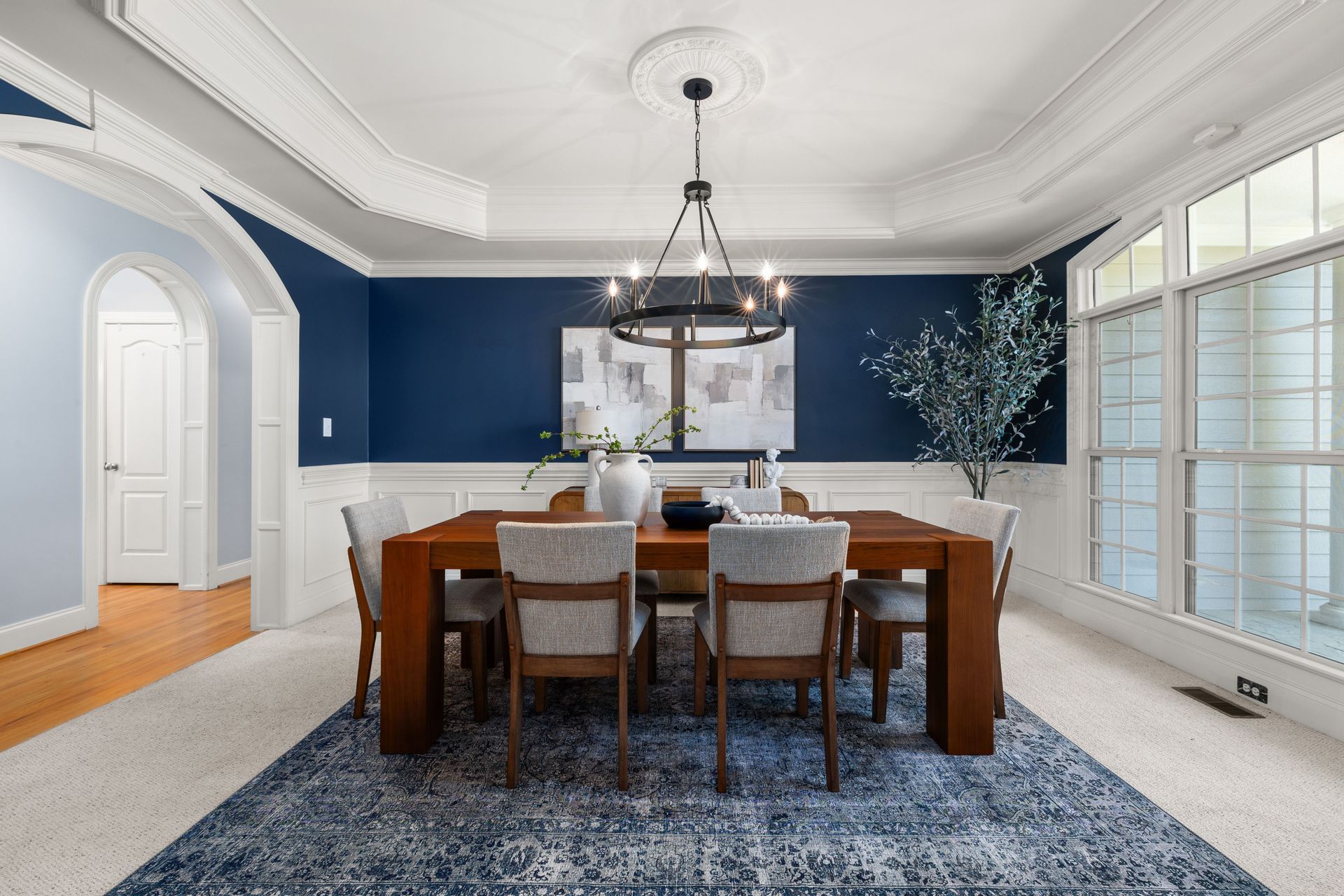
Laminate can work in dining rooms if spills are cleaned quickly. For homes with young children, pets, or frequent spills, LVP may offer better protection.
Rooms Where Laminate Requires Caution
Kitchens
Laminate can work in some kitchens, but moisture risk should be taken seriously. Appliance leaks, standing water, wet seams, and repeated spills can damage the floor.
For busy kitchens in West Jordan, South Jordan, or Salt Lake County rentals, LVP or waterproof flooring is often the safer choice.
Bathrooms and Laundry Rooms
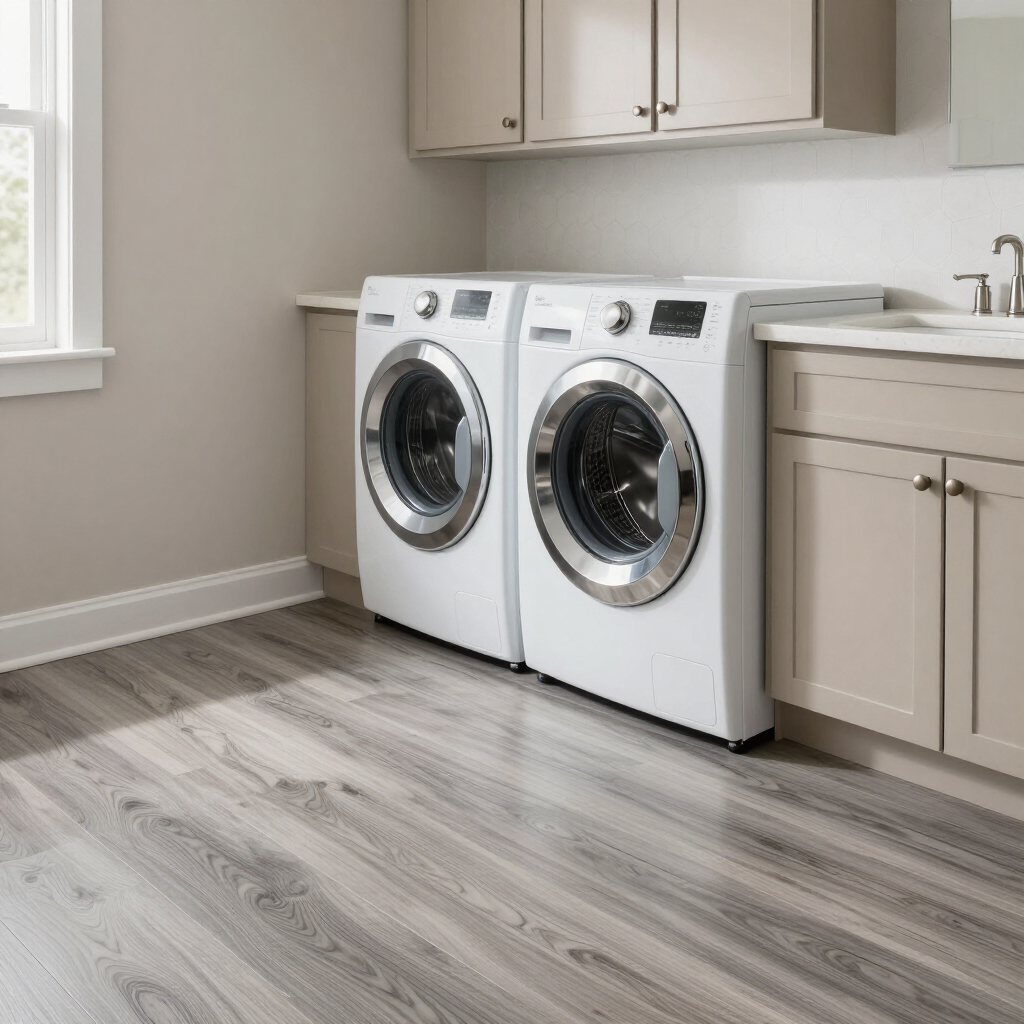
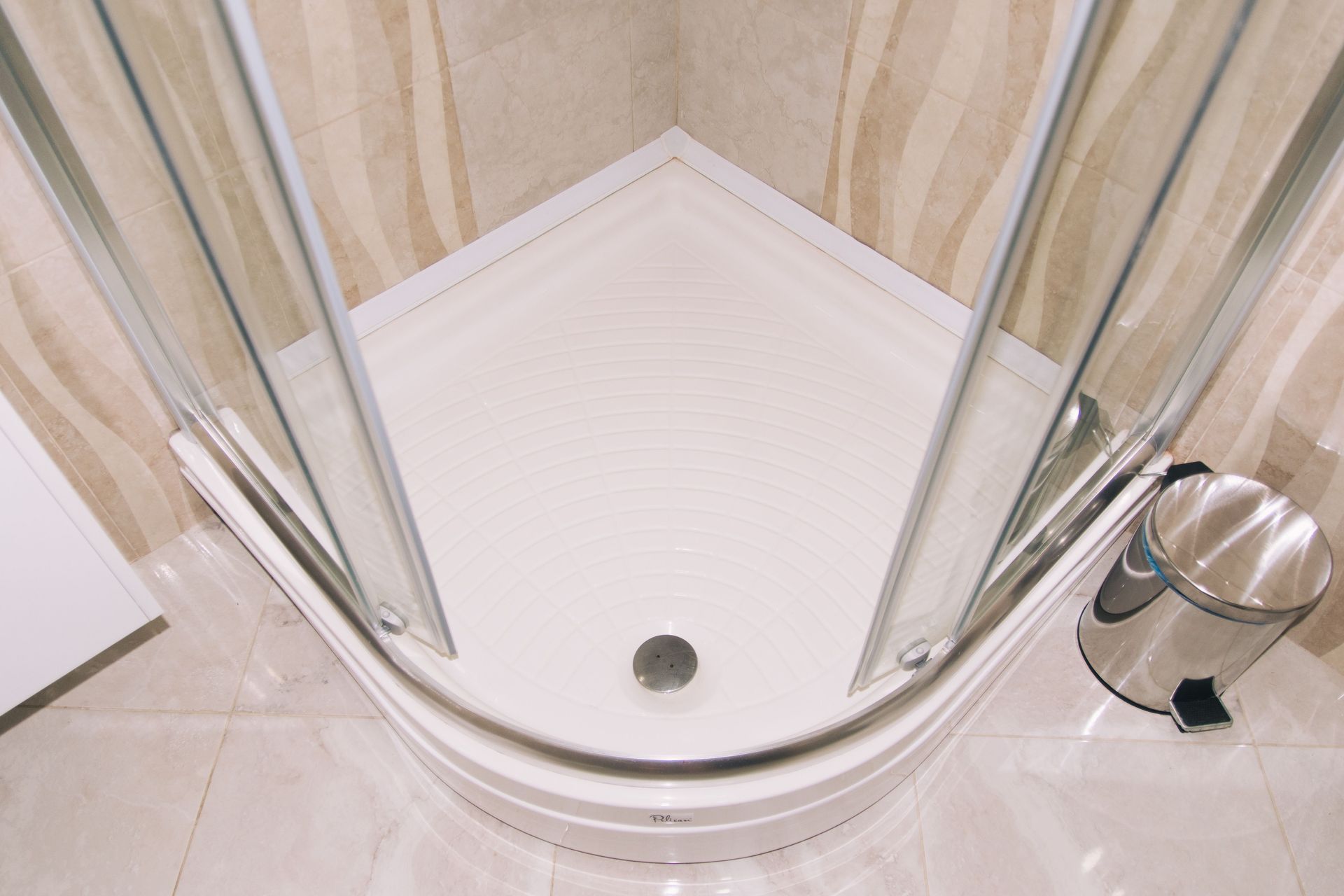
Traditional laminate is usually not the best choice for bathrooms or laundry rooms. Sheet vinyl, waterproof flooring, or properly selected LVP is usually more practical.
Basements
Laminate should only be considered in dry, stable basements with proper moisture checks. If the basement has damp concrete, musty odor, water staining, or active moisture concerns, LVP, sheet vinyl, or waterproof flooring may be better.
Entryways and Mudrooms
Entryways collect snow, salt, dirt, and wet shoes. Laminate may struggle in these conditions. LVP or waterproof flooring is usually a better fit.
Laminate Flooring Cost: What Should You Budget?
Laminate flooring cost depends on more than the plank price. A complete estimate should include material, labor, underlayment, old flooring removal, disposal, transitions, baseboards or trim, stairs, furniture moving, and subfloor prep.
Common planning ranges include:
- Basic laminate flooring installed: about $3 to $6 per square foot
- Mid-range laminate flooring installed: about $5 to $9 per square foot
- Premium laminate flooring installed: about $8 to $12 or more per square foot
Additional costs may apply for subfloor repair, concrete leveling, door trimming, moisture barriers, commercial scheduling, or occupied spaces.
Material-only pricing can be misleading. Honest pricing means understanding the full scope before installation begins.
Subfloor Repair Before Laminate Flooring Installation
Laminate needs a clean, dry, flat, stable base. This is not optional. A floating floor depends on the surface underneath it.
You may need subfloor repair if you notice:
- Soft spots
- Squeaks
- Dips
- Floor movement
- Loose panels
- Raised seams
- Uneven concrete
- Water stains
- Pet odor
- Cracks
- Old adhesive buildup
- Spongy areas underfoot
Residential Flooring Solutions often sees projects where the visible flooring is not the real problem. Once old carpet, vinyl, or laminate is removed, the issue may be uneven concrete, soft subfloor panels, or odor from past moisture or pet damage. Fixing those problems first protects the new floor and helps avoid callbacks.
Skipping prep can lead to gaps, movement, clicking, peaking, hollow sound, and early failure.
How Laminate Flooring Installation Works
The process should begin with a room review. Your flooring contractor should ask about traffic, moisture, pets, children, rental use, commercial use, desired style, and budget.
Next comes product selection. This includes color, plank width, durability rating, water resistance, underlayment, and product availability.
Then the space is measured. A proper estimate should account for square footage, waste, closets, doorways, transitions, removal, disposal, underlayment, subfloor repair, and installation timeline.
Before installation, old flooring may need to be removed. The subfloor should be inspected, cleaned, repaired, and leveled as needed. Approved underlayment should be installed according to product requirements.
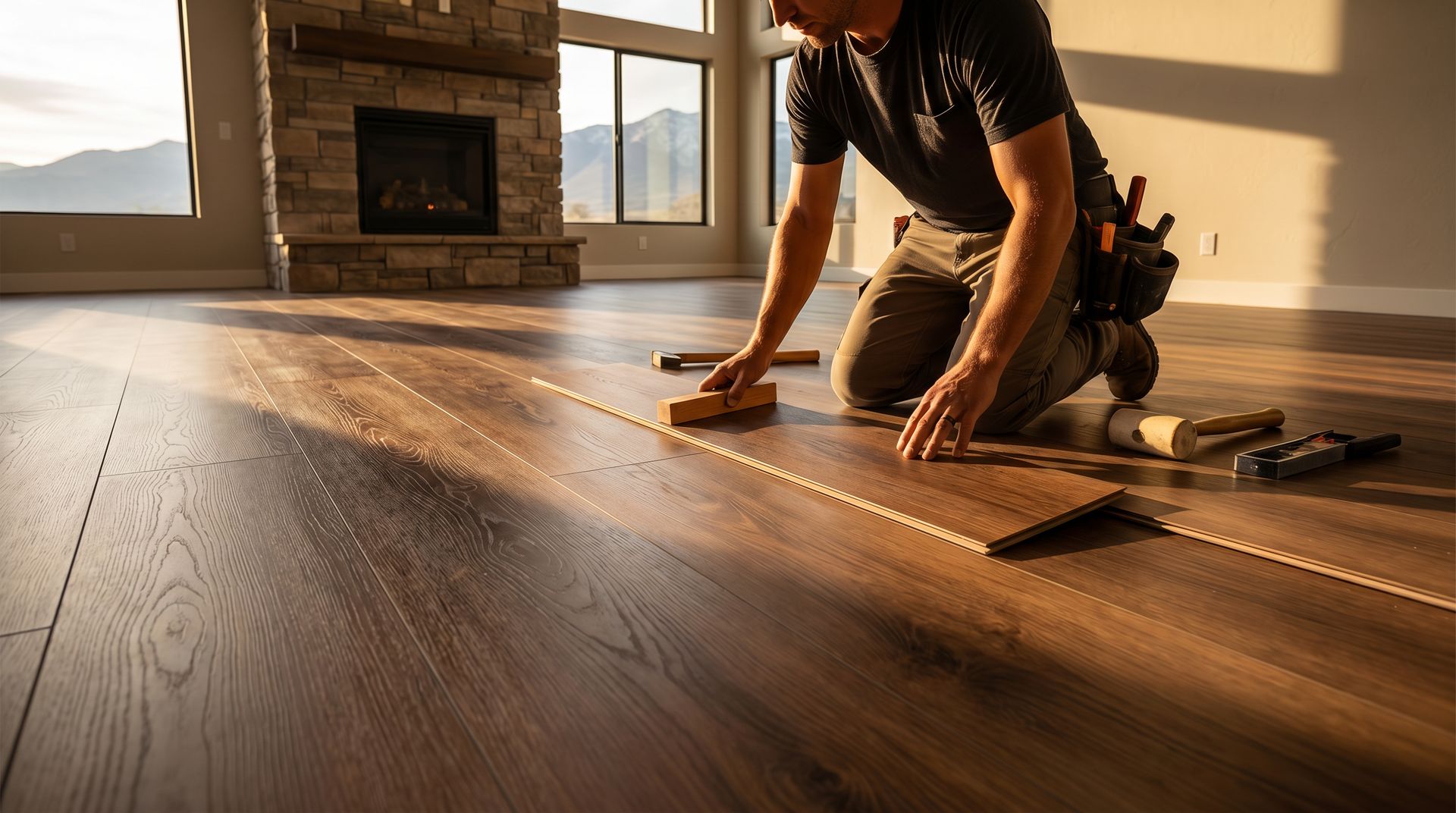
The laminate planks are then installed with proper expansion spacing, clean cuts around walls and doorways, and finished transitions. A final walkthrough should confirm that the project is clean, stable, and ready for use.
How to Maintain Laminate Wood Flooring
Laminate is fairly easy to maintain in the right room.
Sweep regularly. Vacuum with a hard-floor setting. Use a lightly damp mop when needed. Clean spills quickly. Use felt pads under furniture. Use mats at entryways. Avoid dragging heavy furniture. Keep pet nails trimmed.
Avoid soaking the floor, steam mopping unless the product allows it, harsh abrasives, wax, and standing water.
If you notice recurring moisture, swelling, or movement, address it quickly before the damage spreads.
Choose Laminate Wood Flooring for the Right Room
Laminate wood flooring is a practical imitation timber flooring option for dry rooms where you want a clean wood-look surface at a reasonable installed cost. It can work well in bedrooms, offices, dining rooms, and dry living spaces.
It is not the right fit for every room. LVP, sheet vinyl, and waterproof flooring are often better for moisture, pets, basements, bathrooms, laundry rooms, and entryways. Carpet is still valuable for bedrooms, stairs, and spaces where comfort and sound control matter.
For homeowners and property managers in West Jordan, South Jordan, and the greater Salt Lake County area, the best flooring choice depends on room use, moisture exposure, traffic, comfort, budget, and subfloor condition.
Request a free estimate from Residential Flooring Solutions for laminate wood flooring, LVP installation, carpet installation, sheet vinyl, waterproof flooring, commercial flooring, or subfloor repair. Get clear pricing, proper prep, quality materials, and timely installation from a local flooring contractor built to help you choose the right product for the space.