How Long Should a Carpet Last? What Homeowners Need to Know

Admin • July 17, 2026

Share this article

TL;DR


  • How long does carpet last? Most carpet lasts about 5 to 15 years, depending on carpet quality, padding, traffic, pets, cleaning habits, moisture, subfloor condition, and installation quality.
  • How long does carpet last in rentals? Rental carpet often wears faster because of tenant turnover, pets, furniture moves, and inconsistent cleaning. Bedrooms usually last longer than stairs, halls, and living rooms.
  • Can carpet last 20 years? In a low traffic room with quality carpet and strong maintenance, it can. In most active homes, apartments, and commercial spaces, replacement is usually more practical before that.
  • Should you clean or replace carpet? Cleaning makes sense when stains are surface level and the carpet is still structurally sound. Replacement is better when carpet is matted, loose, torn, smelly, stained through the pad, or worn beyond repair.
  • Does carpet padding matter? Yes. Good padding supports carpet, improves comfort, reduces wear, and helps with sound control. Bad padding can make new carpet fail early.
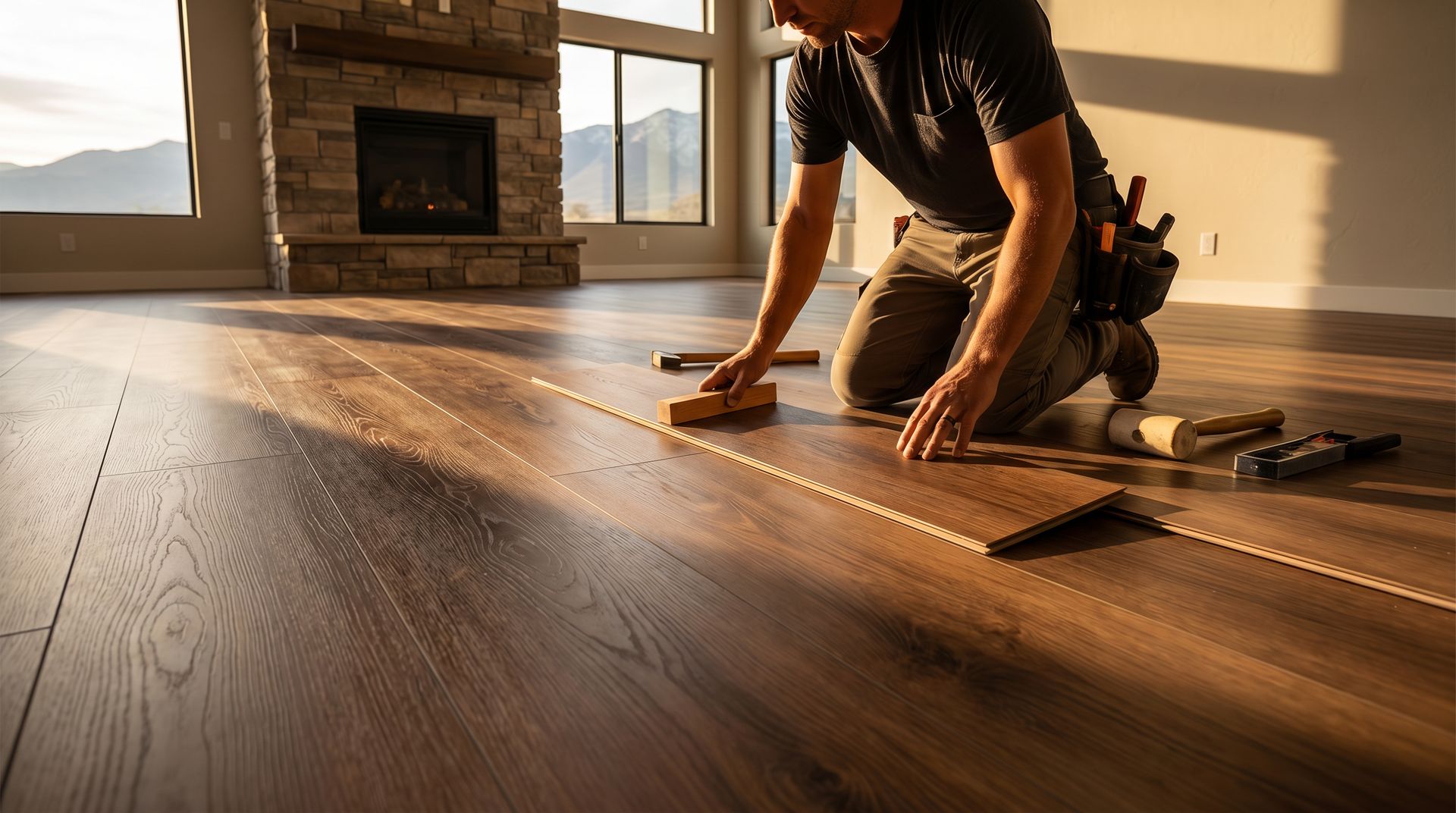
  • When should you choose LVP instead of carpet? LVP installation is often better for entryways, living rooms, basements, rental units, commercial spaces, pet areas, and high traffic rooms.
  • Do you need subfloor repair before new carpet? You may need it if the floor has soft spots, squeaks, dips, pet odor, water damage, uneven concrete, or movement underfoot.
  • What does carpet replacement cost? Carpet installation often ranges from about $3 to $12 or more per square foot installed, depending on carpet, padding, removal, stairs, prep, and repairs.
  • 


If you are asking how long should a carpet last, the honest answer is that it depends on how the room is used. A guest bedroom in West Jordan may keep carpet in good shape for many years, while a stairway, hallway, rental living room, or pet-heavy space in South Jordan may wear out much sooner. In greater Salt Lake County, carpet lifespan comes down to product quality, carpet padding, maintenance, moisture, subfloor condition, and professional installation.


Residential Flooring Solutions looks at carpet as part of the whole flooring system. That means the carpet, padding, subfloor, room use, and long term maintenance plan all matter. If carpet is still the right fit, professional carpet installation can make a major difference. If the room needs easier cleanup or better moisture performance, LVP and laminate flooring may be the smarter choice. If the floor below is damaged, subfloor repair should happen before any new flooring goes down.


The Short Answer: Most Carpet Lasts 5 to 15 Years


Most carpet should be evaluated in the 5 to 15 year range. That does not mean every carpet fails at year 5 or every carpet should stay until year 15. It means that age, condition, room use, and maintenance should all be reviewed together.


Carpet in bedrooms often lasts longer because foot traffic is lower. Carpet on stairs and hallways usually wears faster because the same path gets used every day. Carpet in rental properties can wear faster because each tenant brings different habits, furniture, pets, and cleaning routines.


As the Carpet and Rug Institute puts it, The beauty and life of your carpet depend on the care it receives. That is the right way to think about lifespan. Carpet does not last because of age alone. It lasts because the material, padding, installation, and maintenance all work together.


What Makes Carpet Wear Out Faster?


Foot Traffic


Traffic is the biggest factor. Stairs, hallways, living rooms, and entries wear faster than bedrooms. Dirt and grit act like sandpaper in carpet fibers. Over time, that breaks down the face fiber and creates worn traffic lanes.


For property managers, this is why one unit may need carpet replacement sooner than another even if both were installed around the same time.


Carpet Quality


Higher quality carpet usually uses better fiber, denser construction, stronger twist, and better backing. Nylon often performs well in higher traffic areas. Triexta can be a good option for stain resistance. Polyester can be soft and cost effective, but it may crush faster in heavy use areas.


The cheapest carpet is not always the lowest cost long term. If it wears out quickly, you may pay again for removal, disposal, new padding, and new installation.


Carpet Padding


Padding is not just there for softness. It supports the carpet from below. When padding is too thin, too soft, compressed, stained, or old, the carpet above it can wear faster.


New carpet over bad padding is a common mistake. If the old pad has odor, pet damage, moisture, or heavy compression, replace it.


Pets and Moisture


Pets can shorten carpet life, especially if urine reaches the pad or subfloor. Surface cleaning may help the top of the carpet, but odor can return from underneath.


Moisture is also a major concern. Carpet that has been soaked by leaks, flooding, or repeated spills may need replacement. More important, the source of moisture needs to be fixed before new flooring is installed.


Installation Quality


Poor installation can cause ripples, loose seams, visible transitions, early wear, and safety concerns. Carpet should be stretched correctly, seamed properly, and installed over a stable base.


Professional installation protects the investment. It also helps you avoid callbacks and early replacement.


Signs Your Carpet Needs Replaced


You should consider carpet replacement when you see problems that cleaning will not solve.

Common signs include:

  • Permanent traffic lanes
  • Matting or crushing
  • Stains that return after cleaning
  • Pet odor that does not go away
  • Loose carpet or ripples
  • Torn seams
  • Fraying edges
  • Exposed tack strip
  • Worn stair carpet
  • Stained or wet padding
  • Soft spots below the carpet
  • Musty smell or water damage


A carpet can be clean and still be worn out. If the fiber has lost structure, cleaning may make it look better for a short time, but it will not restore the original performance.

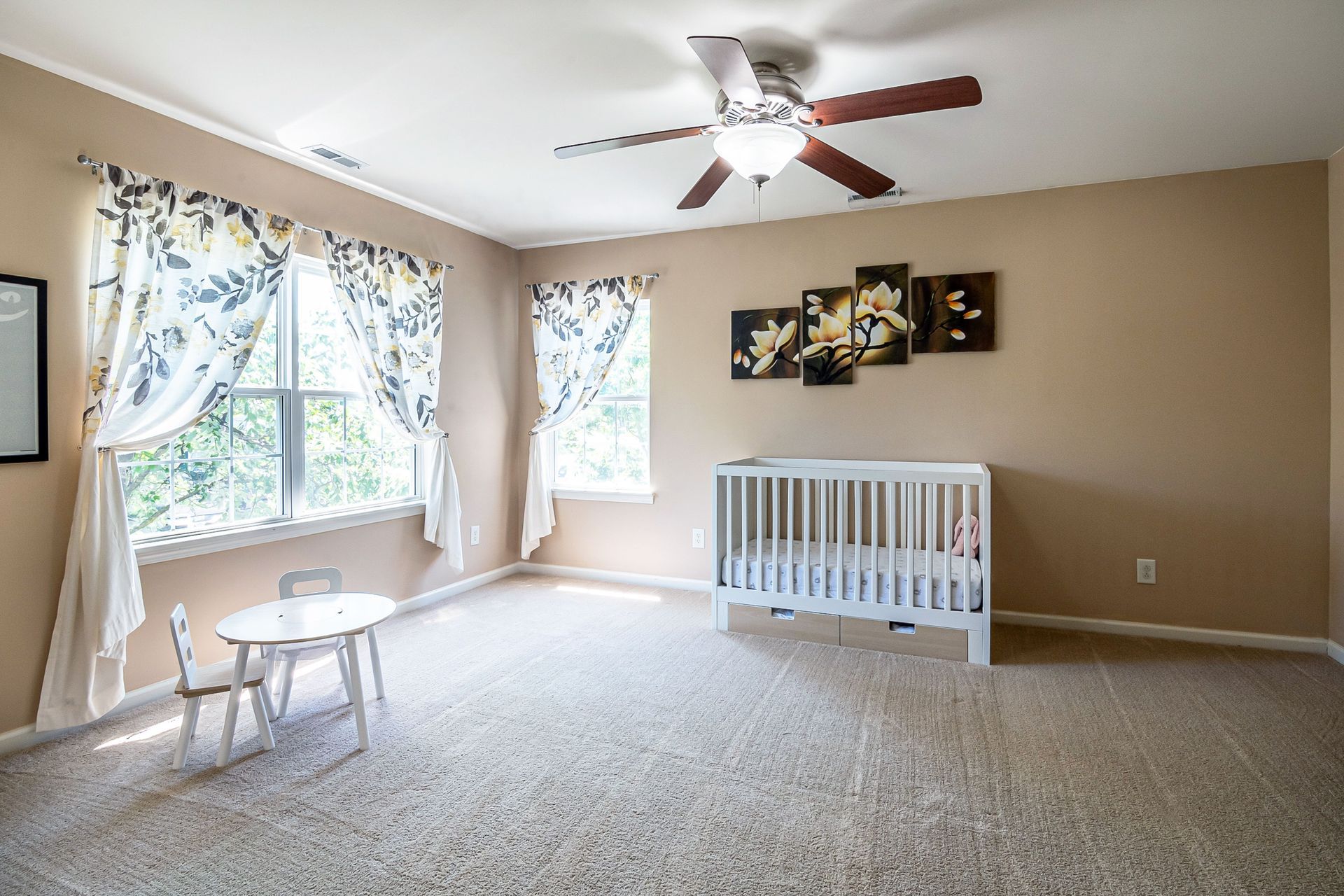
Bright nursery with crib, small table, and large windows with curtains in a carpeted room

Carpet Cleaning vs Carpet Replacement


When Cleaning Makes Sense


Cleaning is a good first step when carpet is still in decent shape. It may be worth cleaning if the carpet is newer, stains are surface level, odor does not return, padding feels supportive, and the carpet is not loose or torn.


Regular vacuuming also matters. High traffic areas and pet areas need more frequent vacuuming than light use rooms. Professional deep cleaning every 12 to 18 months can also help remove embedded soil.


When Replacement Is the Better Solution


Replacement is usually better when carpet is old, matted, torn, loose, stained through the pad, or holding odor. If you keep paying for cleaning and the carpet still looks worn, replacement may be the more practical investment.


For rentals, the decision should be simple and business focused. If carpet cleaning does not make the unit feel clean, fresh, and move in ready, replacement may help reduce complaints and speed up turnover.


How Long Carpet Lasts by Room


Bedrooms


Bedrooms are one of the best places for carpet. They usually have lower traffic and benefit from warmth, softness, and sound control. A good carpet with quality padding can last longer here than in most other rooms.


Stairs and Hallways


Stairs and hallways wear faster. These areas need durable carpet, dense padding, and careful installation. Avoid using the lowest cost carpet on stairs if you want the floor to last.


Living Rooms


Living rooms get heavy daily use. Furniture, pets, kids, food, drinks, and foot traffic all affect carpet life. In many homes and rentals, LVP installation may provide better long term value in living rooms.


Basements


Carpet can work in a dry finished basement, but moisture comes first. If there is damp concrete, musty odor, water staining, or prior leaks, LVP, sheet vinyl, or waterproof flooring may be better.


Rental Properties


Rental carpet should be inspected at every turnover. Bedrooms may stay carpeted, while living rooms, halls, and entryways often perform better with LVP or waterproof flooring. Standardizing products can also help property managers control future costs.


Commercial Spaces


Commercial carpet and carpet tile can work well for offices and sound control, but high traffic spaces need commercial grade materials, planned maintenance, and clear replacement timing.


When LVP, Laminate, Sheet Vinyl, or Waterproof Flooring Makes More Sense


Carpet is not the best answer for every room.


Choose LVP for high traffic areas, pets, entryways, rental living rooms, basements, and spaces where easier cleaning matters.

Choose laminate flooring for dry rooms where you want a wood look at a practical price.


Choose sheet vinyl for bathrooms, laundry rooms, utility rooms, apartments, and budget focused wet areas.

Choose waterproof flooring for kitchens, basements, laundry rooms, bathrooms, pet spaces, and moisture prone rooms.

Carpet still belongs in bedrooms, stairs, upstairs rooms, and comfort focused spaces. The strongest flooring plan often uses different materials in different rooms.


Why Subfloor Repair Affects Carpet Life


Carpet can hide problems, but it cannot fix them. If the subfloor has soft spots, squeaks, water damage, pet contamination, uneven concrete, or movement, new carpet may fail early.


Residential Flooring Solutions often sees this during carpet replacement. Once old carpet and padding are removed, hidden pet stains, damaged panels, or uneven areas can appear. Fixing those issues before installation helps prevent odor, uneven wear, and repeat repairs.


Subfloor repair should be part of the conversation before new carpet, LVP, laminate flooring, sheet vinyl, or waterproof flooring is installed.


How to Make Carpet Last Longer


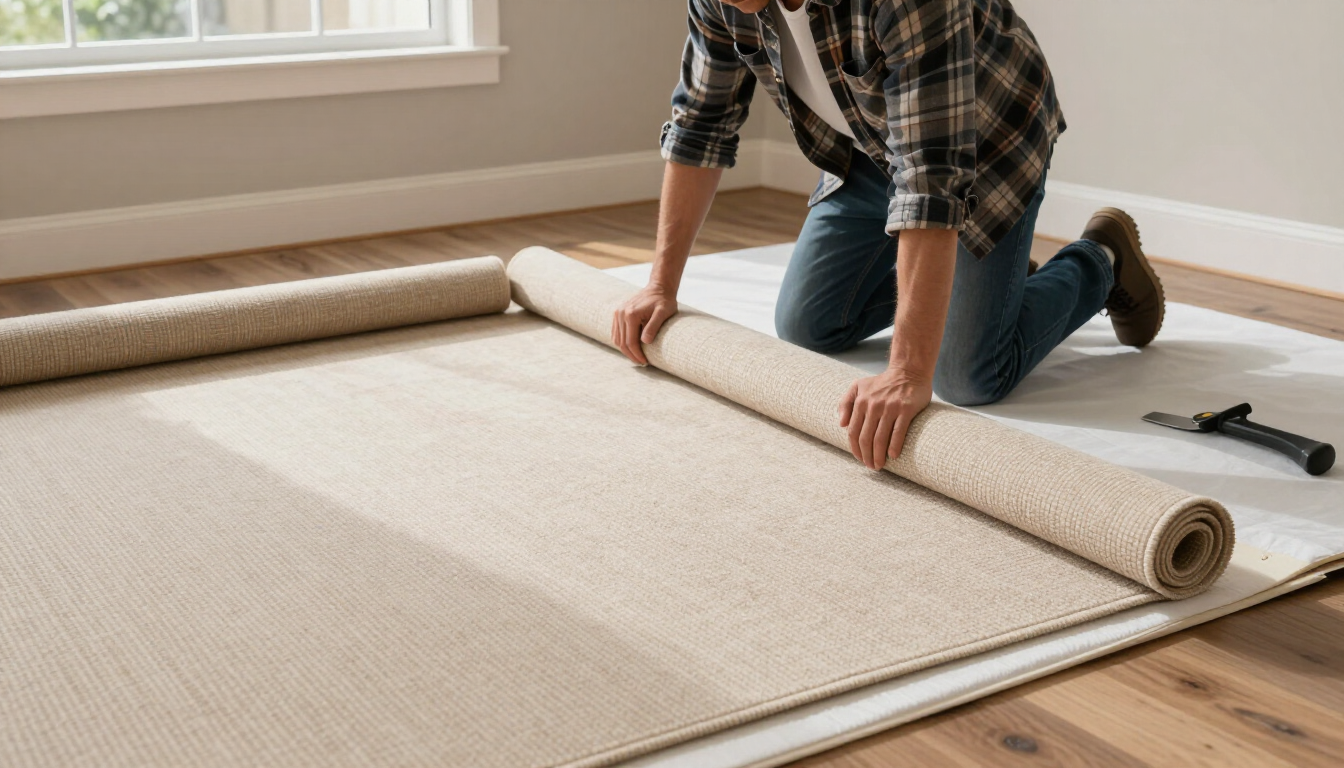
Start with the right carpet for the room. Use durable carpet in high traffic areas and stain resistant carpet where pets or kids are part of daily life. Use quality padding. Replace old padding when needed.


Maintain the carpet consistently. Vacuum high traffic areas often, clean spills quickly, use entry mats, schedule professional cleaning when needed, and address pet accidents or moisture problems right away.


Most important, do not ignore what is underneath. A stable subfloor and proper installation help carpet perform the way it should.


What Should You Ask a Flooring Contractor?


Before replacing carpet, ask:

  • Can this carpet be cleaned, stretched, repaired, or should it be replaced?
  • Is the padding still usable?
  • Is there pet damage below the carpet?
  • Is the odor coming from carpet, padding, or subfloor?
  • Does the estimate include removal and disposal?
  • Are stairs and transitions included?
  • Will the subfloor be inspected?
  • Would LVP, laminate, sheet vinyl, or waterproof flooring be better for this room?
  • How long will installation take?
  • Can the project fit a rental turnover timeline?


Clear answers help you avoid surprise costs and poor material choices.


Make the Right Carpet Replacement Decision


Carpet lifespan depends on material, padding, traffic, pets, cleaning, moisture, installation quality, and subfloor condition. Carpet may last many years in a bedroom and wear much faster in stairs, halls, rental units, or commercial spaces.


Cleaning is useful when carpet still has life left. Replacement is better when carpet is worn, matted, loose, stained, smelly, or damaged below the surface. In some rooms, LVP, laminate flooring, sheet vinyl, or waterproof flooring may be the better long term solution.


For carpet installation, carpet replacement, LVP installation, laminate flooring, sheet vinyl, waterproof flooring, commercial flooring, or subfloor repair in West Jordan, South Jordan, and greater Salt Lake County, request a free estimate from Residential Flooring Solutions. Get clear pricing, proper prep, quality materials, and timely installation from a local flooring contractor that understands Utah homes, rentals, and commercial spaces.


Recent Posts

Wooden letter tiles spelling “SUMMER SALE” on a tan lattice background
By Admin August 5, 2026
Learn why carpet stores put carpet on sale, what costs to watch for, and how to compare carpet, LVP, padding, and installation value.
Low-angle view of a hotel room with a bed, chair, and sunlit window over a patterned carpet.
By Admin August 4, 2026
Learn carpet basics, how different carpet types are made, and how fiber, pile, padding, subfloor prep, and installation affect durability.
Carpeted living room with staircase, gray sofa, TV, and wood-trimmed windows and door.
By Admin July 29, 2026
Learn what a good carpet density is, why it matters, and how carpet, padding, LVP, and subfloor prep affect flooring performance.
Two people cut a woven rug from the floor with blue-handled scissors, showing damaged flooring underneath
By Admin July 29, 2026
Learn what goes under carpet, why padding and underlayment matter, how subfloor prep affects carpet life, and when LVP or waterproof flooring may be better.
Modern office lounge with orange ottomans, patterned carpet, and glass walls
By Admin July 23, 2026
Learn whether DIY carpet installation is worth it, what tools you need, what can go wrong, and when to hire a professional flooring contractor.
Person installing hardwood floor with a measuring tape in a room
By Admin July 23, 2026
Compare Utah carpet stores and installers using Reddit and review insights. Learn what to avoid and why Residential Flooring Solutions stands out.
Empty modern room with light laminat wood floors, white walls, and a small table by a bright window.
By Admin July 14, 2026
Learn what laminate wood flooring is, where it works best, how it compares to LVP and carpet, and what Utah homeowners should know before installation.
Modern covered patio with wood floor, black beams, sofa, coffee table, rug, and dining area leading to a garden.
By Admin July 9, 2026
Learn everything about luxury vinyl plank flooring, including LVP cost, installation, waterproof options, subfloor prep, and best rooms for Utah homes.
Sunlit stone floor with worn, patterned tiles in earthy green and brown tones
By Admin July 8, 2026
Compare kitchen flooring cost, carpet vs tile cost, tile vs laminate cost, basement flooring ideas, and the best flooring types for each room.
Empty living room with polished LVP floors, beige walls, and large windows letting in natural light
By Admin June 28, 2026
Learn how LVP and laminate flooring are made, how they compare, and which option works best for Utah homes, rentals, pets, moisture, and daily wear.
Show More