
Cost Effective Carpet for Apartments: The Basics to Keep Your Tenants Happy and Your Costs Low
- Cheap carpet for apartments can be a smart choice when it is used in the right rooms, especially bedrooms, upstairs units, and low to moderate traffic areas.
- The cheapest carpet is not always the lowest-cost option long term. Poor carpet, weak padding, and bad installation can lead to faster wear, tenant complaints, and more frequent replacement.
- Carpet installation for apartments often ranges from about $2.50 to $13.75 or more per square foot installed, depending on carpet quality, padding, removal, stairs, transitions, and subfloor prep. Mid grade carpet usually sits around $4.50 to $5.50 per square foot.
- LVP installation is often better for living rooms, entryways, pet-friendly units, basements, and high-turnover apartments because it is durable and easier to clean.
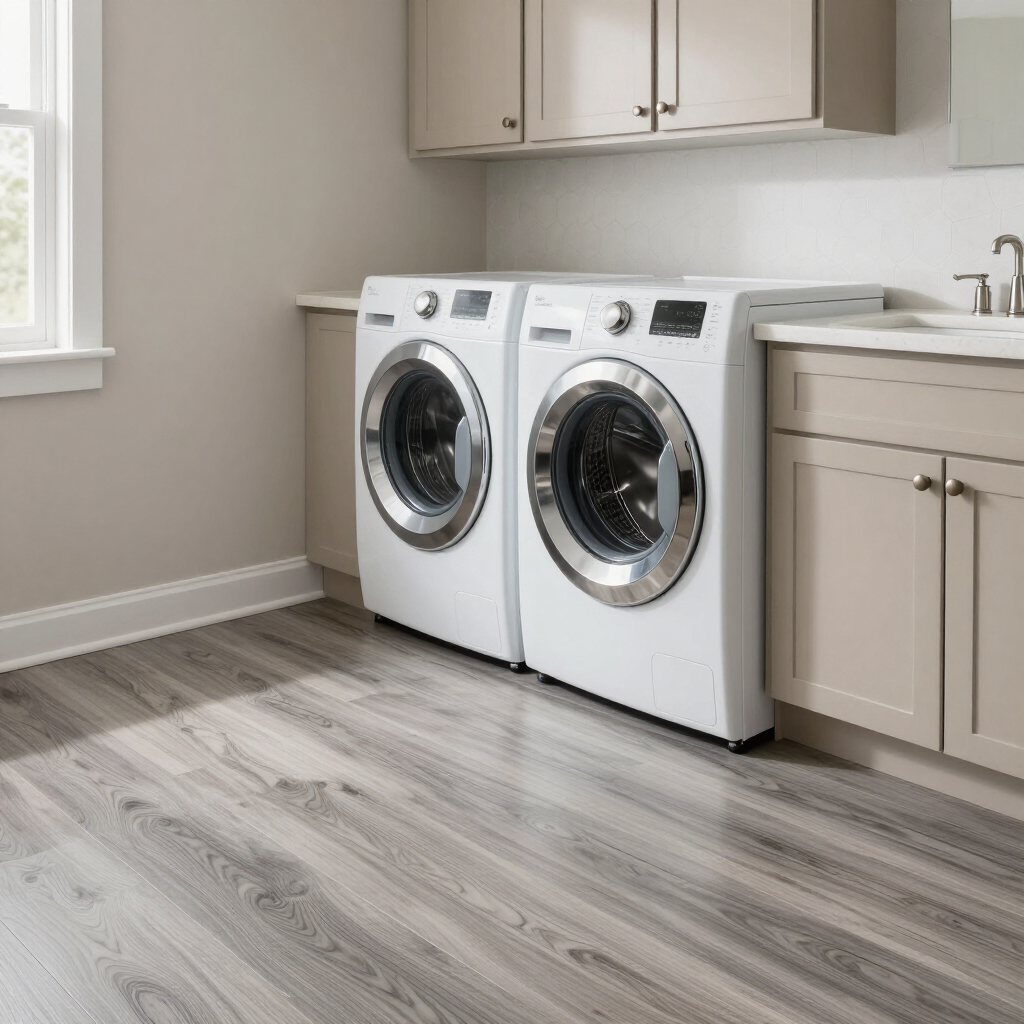
- Sheet vinyl and waterproof flooring are strong options for bathrooms, laundry rooms, utility rooms, and moisture-prone rental spaces.
- Subfloor repair should happen before new carpet, LVP, laminate flooring, sheet vinyl, or waterproof flooring if there are squeaks, soft spots, dips, pet stains, water damage, or uneven floors.
- The best flooring plan keeps tenants comfortable while controlling long-term costs through smart material choices, proper prep, honest pricing, and timely installation.
Choosing cheap carpet for apartments does not mean choosing the lowest-quality flooring you can find. If you manage rental units in West Jordan, South Jordan, or the greater Salt Lake County area, your goal is simple: keep the property clean, comfortable, and rentable while controlling flooring costs over time. The right carpet, padding, subfloor prep, and installation process can help you keep tenants happy without overspending on every turnover.
Residential Flooring Solutions approaches apartment flooring with a practical mindset. Some rooms need carpet. Some rooms need LVP installation. Some units need sheet vinyl, waterproof flooring, or subfloor repair before anything new goes down. The best answer depends on the unit, the tenant profile, the traffic level, and the long-term maintenance plan.
Why Cheap Carpet for Apartments Can Make Sense
Apartment flooring is different from custom flooring in a forever home. You are not only thinking about design. You are thinking about turnover, tenant satisfaction, cleaning, replacement cycles, and total cost.
Cheap carpet can make sense when it is used strategically. Bedrooms, upstairs units, and low to moderate traffic spaces are often good places for affordable carpet. Tenants expect bedrooms to feel warm, quiet, and comfortable. Carpet helps with sound control, especially in multi-level buildings, and it can make a unit feel move-in ready when it is clean and properly installed.
The key is choosing carpet that is affordable but not disposable. A very low-cost product may save money on day one, but if it crushes quickly, stains easily, or starts to wrinkle, it can cost more in cleaning, complaints, and replacement.
When Cheap Carpet Becomes Expensive
The wrong budget carpet can raise your long-term cost. This happens when carpet is selected only by material price instead of total installed value.
Cheap carpet can become expensive when:
- Low-density fibers crush in traffic lanes
- Poor stain resistance leads to repeat cleaning
- Old padding holds odor
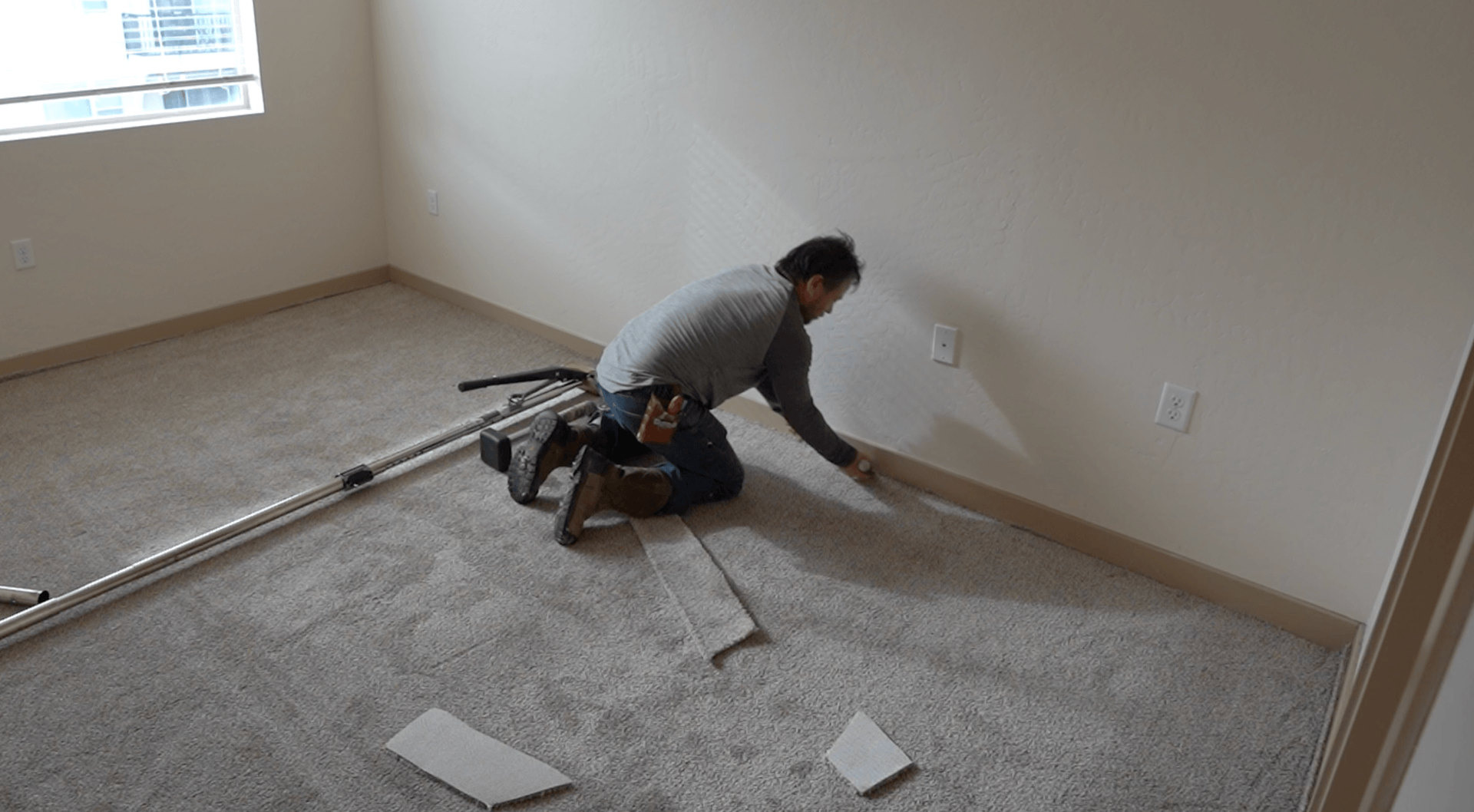
- Bad installation creates wrinkles or loose seams
- Subfloor damage is covered instead of repaired
- Carpet is installed in rooms that should have vinyl or waterproof flooring
For example, Residential Flooring Solutions often sees rental units where the visible carpet looks like the main issue, but once old carpet and padding are removed, pet stains or soft spots appear underneath. If that subfloor issue is ignored, the new carpet can smell bad or feel uneven soon after installation. Proper prep is what protects the investment.
Best Carpet Choices for Apartments and Rentals
Stain Resistant Carpet
Stain resistant carpet is usually worth considering for rental properties. It can help reduce visible staining from spills, dirt, tenant use, and normal wear. It is not stain proof, but it can make cleaning and turnover easier when paired with the right padding and maintenance plan.
Stain resistant carpet is a good fit for bedrooms and some living areas where carpet is preferred.
Nylon Carpet
Nylon is known for durability. It can be a good choice for stairs, hallways, family-style rental units, and higher-use spaces. It may cost more upfront than polyester, but it can last longer in traffic-heavy areas.
If you are trying to reduce replacement frequency, nylon may be worth the upgrade.
Polyester Carpet
Polyester is often softer and more affordable. It can work well in bedrooms and lower-traffic apartment spaces. It also has good stain resistance in many products.
The tradeoff is that polyester may crush faster in heavy-use areas, so it should be used carefully in living rooms, stairs, and high-turnover units.
Low-Pile Carpet
Low-pile carpet is often easier to vacuum and maintain than high-pile carpet. It can be a practical option for rentals because it handles traffic better and does not trap as much debris.
For apartments, practical usually beats overly plush.
Where Carpet Works Best in Apartment Units
Bedrooms
Bedrooms are often the best place to use affordable carpet. Tenants want comfort, warmth, and quiet. A neutral, stain resistant carpet with quality padding can help a bedroom feel clean and livable without pushing costs too high.
Upstairs Units
Carpet can help reduce noise transfer in upstairs bedrooms, hallways, and living spaces. Padding matters here. Denser padding can improve comfort and sound control.
Stairs
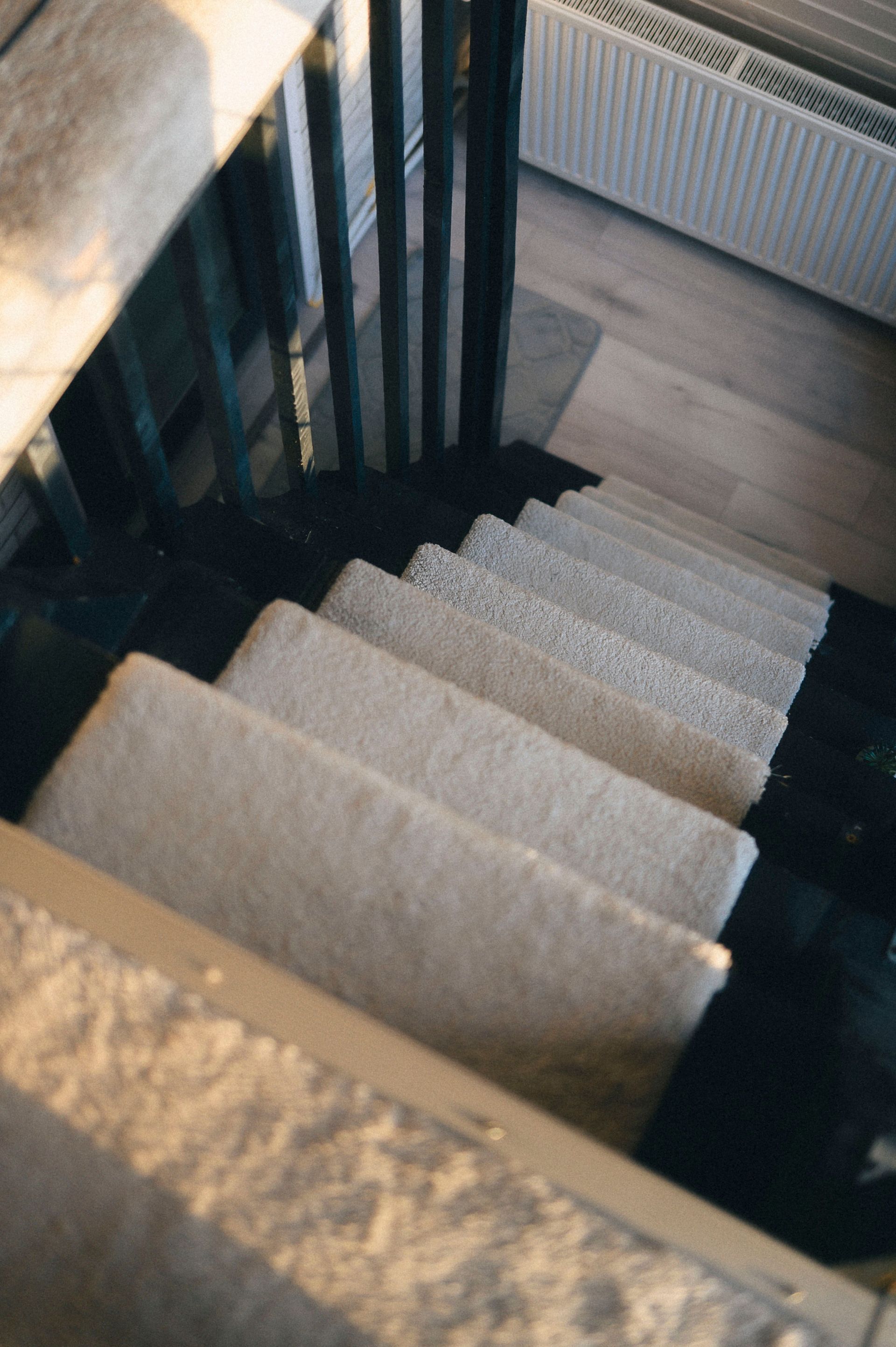
Stairs need better material and better installation. This is not the place to chase the lowest carpet price. Stairs take repeated impact, so durable carpet, dense padding, and professional carpet installation matter.
Living Rooms
Carpet can work in living rooms, but it depends on tenant use. In low-traffic or no-pet units, carpet may be fine. In pet-friendly, high-turnover, or family units, LVP is often a better long-term option.
| Tier | Product Name | Fiber | Price (Material Only) | Retailer |
|---|---|---|---|---|
| Budget ($1–$3/sq ft) | TrafficMaster Cay – Sand Beige (24 oz polyester texture cut-to-length) | Polyester | ~$1.19/sq ft | Residential Flooring Solutions |
| Budget ($1–$3/sq ft) | TrafficMaster Palmdale I – Stallion Gray (17.6 oz polyester texture installed) | Polyester | ~$1.49/sq ft | Residential Flooring Solutions |
| Budget ($1–$3/sq ft) | Style Selections True Read II – Reflection Gray (40 oz SD polyester express install) | Solution-dyed polyester | ~$1.48/sq ft (sale) / $2.48 regular | Residential Flooring Solutions |
| Budget ($1–$3/sq ft) | TrafficMaster Added Value – Investment Beige (24 oz SD polyester texture installed) | Solution-dyed polyester | ~$2.09/sq ft | Residential Flooring Solutions |
| Budget ($1–$3/sq ft) | TrafficMaster Finton – Foil Gray (24 oz SD polyester loop/berber installed) | Solution-dyed polyester | ~$2.49/sq ft | Residential Flooring Solutions |
| Mid-Range ($2–$4/sq ft) | STAINMASTER Heartwarmer Mist (39 oz polyester texture high pile) | Polyester | ~$2.03/sq ft | Residential Flooring Solutions |
| Mid-Range ($2–$4/sq ft) | STAINMASTER Notorious – Gaucho Brown (36 oz polyester texture) | Polyester | ~$1.93/sq ft | Residential Flooring Solutions |
| Mid-Range ($2–$4/sq ft) | STAINMASTER PetProtect Sweet Spot I – Meander (48.8 oz nylon texture) | Nylon | ~$3.22/sq ft (sale) / $5.38 regular | Residential Flooring Solutions |
| Premium ($4–$7+/sq ft) | STAINMASTER PetProtect Ready 2 Play III – Tavi Gray (73.1 oz nylon texture) | Nylon | ~$4.18/sq ft (sale) / $6.98 regular | Residential Flooring Solutions |
| Premium ($4–$7+/sq ft) | STAINMASTER PetProtect Best of Breed III – Simple Stone Gray (68.2 oz nylon texture) | Nylon | ~$3.72/sq ft (sale) / $6.78 regular | Residential Flooring Solutions |
| Premium ($4–$7+/sq ft) | Lifeproof Recognition I – Pearl Beige (24 oz nylon pattern installed) | Nylon | ~$4.79/sq ft | Residential Flooring Solutions |
| Supplier Category Pages | TrafficMaster full carpet collection | Mixed | N/A | Residential Flooring Solutions |
| Supplier Category Pages | STAINMASTER full carpet lineup | Mixed | N/A | Residential Flooring Solutions |
| Supplier Category Pages | Lifeproof with PetProof Technology | Nylon | N/A | Residential Flooring Solutions |
| Supplier Category Pages | Shaw Floors residential carpet catalog | Mixed | N/A | Residential Flooring Solutions |
| Supplier Category Pages | Mohawk SmartStrand carpet | Triexta (PTT) | N/A | Residential Flooring Solutions |
When LVP, Sheet Vinyl, or Waterproof Flooring Is Better
LVP Installation for Main Living Areas
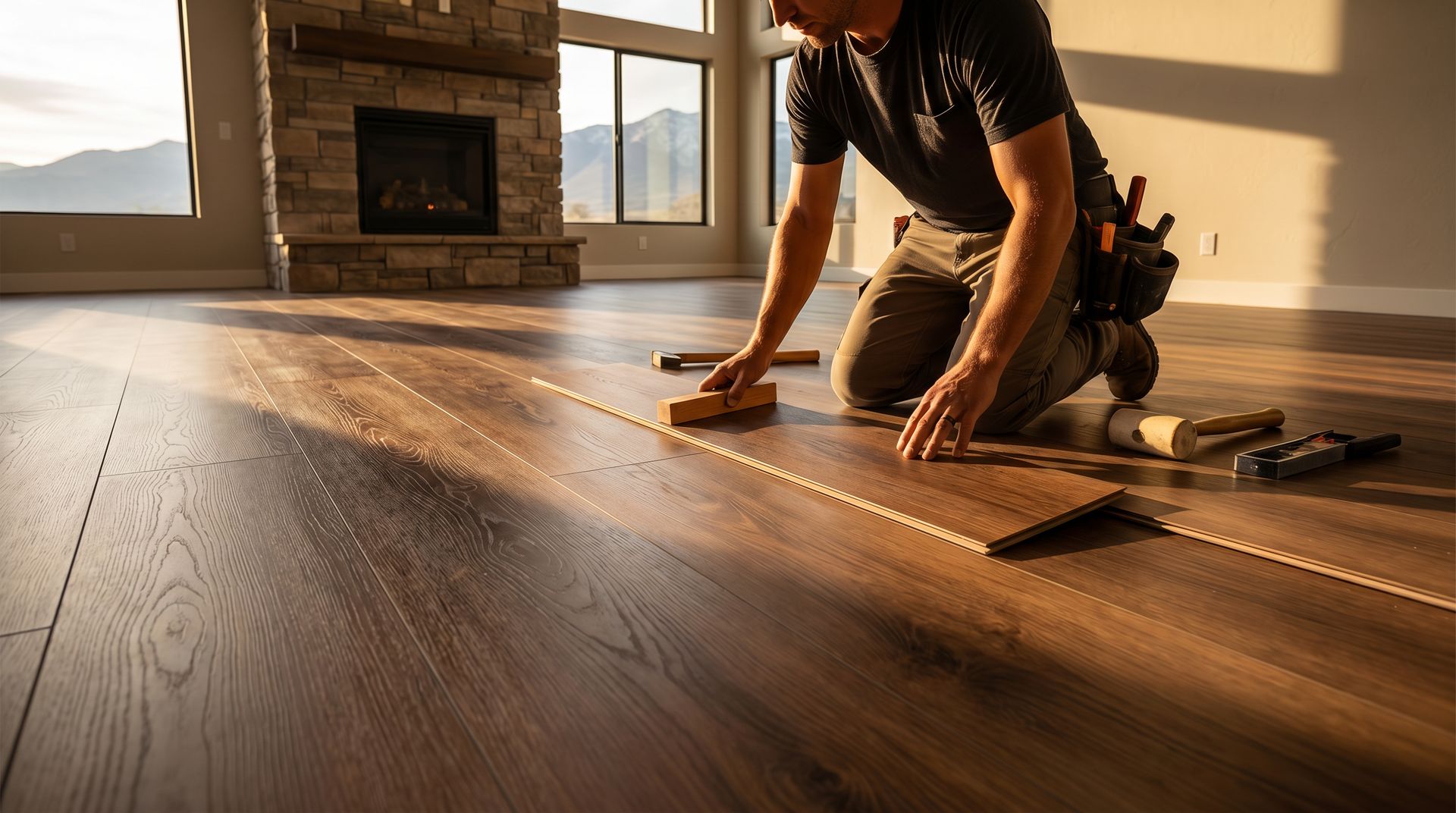
LVP installation is one of the strongest options for apartment living rooms, entryways, hallways, basements, and pet-friendly units. It is durable, easy to clean, and better suited for spills than carpet.
LVP installation often ranges from about $4 to $10 per square foot installed, depending on product quality, layout, transitions, and prep. It may cost more than cheap carpet upfront, but it can reduce cleaning and replacement costs in high-use areas.
Sheet Vinyl for Budget-Friendly Moisture Resistance
Sheet vinyl is practical for bathrooms, laundry rooms, utility rooms, kitchens, and cost-sensitive rental updates. It offers moisture resistance at a lower price point than many other hard-surface products.
Sheet vinyl installation often ranges from about $2 to $7 per square foot installed. The subfloor needs to be smooth because bumps, seams, and fasteners can show through.
Waterproof Flooring for Problem Areas
Waterproof flooring is a smart choice for bathrooms, laundry rooms, entryways, basements, kitchens, and pet-friendly rentals. It helps with spills and cleanup, but it does not fix active leaks or moisture problems. The base still needs to be dry, flat, and stable.
Waterproof flooring often ranges from about $4 to $12 per square foot installed, depending on product and prep needs.
Laminate Flooring for Dry Areas
Laminate flooring can work in dry bedrooms, offices, and living rooms where you want a wood-look surface. It is not the best choice for wet rooms, pet-heavy units, or areas with frequent spills.
Laminate flooring installation often ranges from about $3 to $9 per square foot installed.
Apartment Carpet Cost: What Should You Budget?
Apartment carpet pricing depends on material, padding, installation, removal, stairs, transitions, and prep.
Common planning ranges include ranges similar to what you saw above :
- Budget apartment carpet material: $1 to $3 per square foot
- Mid-range apartment carpet material: $3 to $6 per square foot
- Premium carpet material: $7 to $12 or more per square foot
- Budget carpet installed: $3 to $5 per square foot
- Mid-range carpet installed: $5 to $8 per square foot
- Premium carpet installed: $8 to $12 or more per square foot
- Carpet padding: $0.75 to $2.00 or more per square foot
- Removal and disposal: $1 to $2.50 per square foot
- Common subfloor repair: $2 to $7 per square foot, depending on damage
Stairs, furniture moving, occupied units, concrete leveling, and tight turnover schedules can affect the final estimate. If budget timing is a concern, ask about financing options.
Carpet Padding for Apartments: Do Not Go Too Cheap
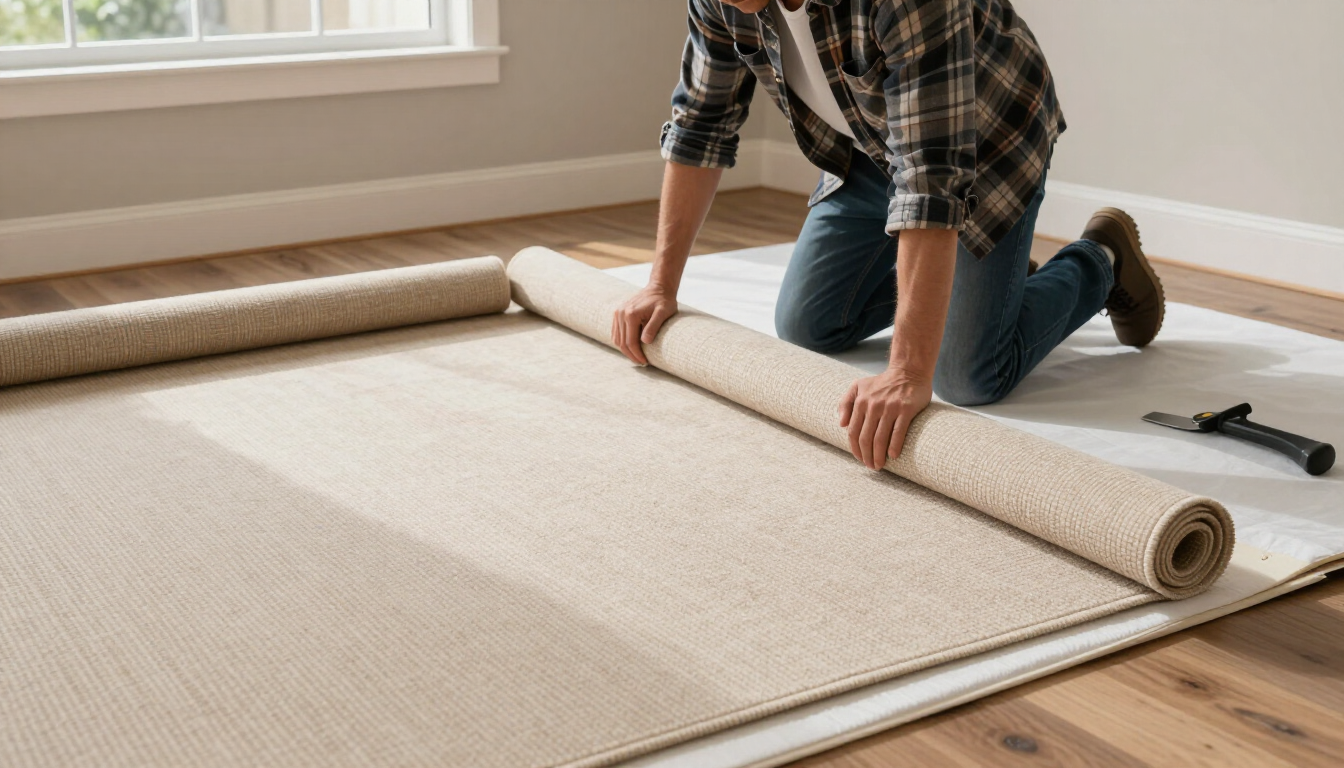
Carpet padding is one of the most important details in apartment carpet installation. Tenants feel the padding every day, even if they never see it. Good padding supports the carpet, adds comfort, reduces noise, and helps the carpet wear more evenly.
Old padding should usually be replaced during carpet replacement. It may be compressed, dirty, stained, wet, or holding odor. New carpet over old padding can lead to faster wear and tenant complaints.
For pet-friendly units, moisture barrier padding may be worth considering. It can help reduce liquid absorption into the pad, but it does not solve existing pet damage or subfloor odor.
Subfloor Repair Before Apartment Carpet Installation
Turnover is the best time to inspect the subfloor. Old carpet can hide pet damage, water stains, soft spots, squeaks, and uneven areas.
You may need subfloor repair if you notice:
- Soft spots
- Squeaks
- Dips
- Pet stains
- Musty smells
- Water damage
- Loose panels
- Cracked concrete
- Uneven floors
- Stains that return after cleaning
Subfloor prep matters for every flooring material. Carpet needs stable support. LVP needs a flat surface. Sheet vinyl needs a smooth surface. Laminate flooring can separate over uneven areas. Waterproof flooring still needs a dry base. If concrete is uneven, concrete leveling may be needed before installation.
Best Apartment Flooring Strategy by Room
Bedrooms
Use affordable stain resistant carpet, neutral colors, and quality padding. Bedrooms are where carpet makes the most sense because comfort and sound control matter.
Living Rooms
Use LVP in high-traffic or pet-friendly units. Use durable carpet only when traffic is lower and cleaning needs are manageable.
Entryways
Use LVP, waterproof flooring, or sheet vinyl. Entryways collect snow, salt, dirt, and moisture, so carpet usually is not the best choice.
Bathrooms and Laundry Rooms
Use sheet vinyl or waterproof flooring. Avoid carpet in wet areas, and check for subfloor damage before installation.
Basements
Use LVP, sheet vinyl, or waterproof flooring where moisture risk exists. Carpet can work only if the basement is dry and properly prepared.
Stairs and Hallways
Use durable low-pile carpet, dense padding, and professional installation. These areas take more abuse than bedrooms and should be planned accordingly.
How to Keep Tenants Happy Without Overspending
Choose neutral flooring colors that look clean, photograph well, and hide normal wear better than very light carpet. Standardize products across multiple units when possible so ordering, repairs, and future replacements are easier.
Use better flooring in problem areas. LVP in entryways, waterproof flooring in moisture-prone rooms, sheet vinyl in utility spaces, and carpet in bedrooms can give you a strong balance of cost and performance.
Most important, do not skip prep. Fix subfloor issues before installation, replace bad padding, address pet odor, and check moisture. Those steps reduce complaints and help your flooring last longer.
What to Ask a Flooring Contractor
Before apartment carpet installation, ask:
- What carpet do you recommend for apartments?
- Is this carpet stain resistant?
- What padding should I use?
- Should I use LVP instead in high-traffic areas?
- What is the installed price per square foot?
- Does the quote include removal and disposal?
- Are stairs and transitions included?
- What happens if subfloor repair is needed?
- Can you work within turnover deadlines?
- Do you install carpet, LVP, laminate flooring, sheet vinyl, and waterproof flooring?
A reliable flooring contractor should give clear answers, honest pricing, and realistic timelines.
Final Thoughts
Cheap carpet for apartments can work well when it is used in the right rooms and installed correctly. The goal is not to buy the cheapest product possible. The goal is to choose flooring that keeps tenants comfortable, controls turnover costs, and holds up to real rental use.
Carpet is often smart for bedrooms and upstairs comfort. LVP, sheet vinyl, and waterproof flooring are better for moisture, pets, heavy traffic, and easy cleanup. Subfloor repair and padding quality protect the entire project.
If you need cheap carpet for apartments, carpet installation, LVP installation, laminate flooring, sheet vinyl, waterproof flooring, or subfloor repair in West Jordan, South Jordan, or the greater Salt Lake County area, Residential Flooring Solutions can help.
Request a free estimate today and get clear pricing, proper prep, durable materials, and timely installation.
Recent Posts