Why is subfloor repair important for your new carpet | subfloor repair near me

Admin • June 9, 2026

Share this article

TL;DR


  • Subfloor repair matters because new carpet needs a flat, stable, dry, and solid base underneath it.
  • New carpet can hide minor surface flaws, but it cannot fix soft spots, squeaks, dips, pet damage, moisture damage, or structural movement.
  • If you install carpet over a bad subfloor, the carpet may feel uneven, wear out faster, wrinkle, hold odor, or fail before it should.
  • Carpet padding adds comfort, but it is not a replacement for subfloor repair. Bad subfloor problems should be fixed before carpet installation.
  • Common subfloor repair may range from about $2 to $7 per square foot for basic repairs, while water damage, pet damage, structural issues, or concrete leveling can cost more.
  • Subfloor repair also matters before LVP installation, laminate flooring, sheet vinyl, and waterproof flooring because every floor needs the right base.
  • If you are searching for subfloor repair near me in West Jordan, South Jordan, or the greater Salt Lake County area, the best next step is a professional flooring inspection and clear estimate.


Best Stain Resistant Carpet Starts With Subfloor Repair: Why Subfloor Repair Is Important for Your New Carpet


The Best Stain Resistant Carpet will only perform as well as the surface underneath it. If your subfloor is soft, uneven, squeaky, damp, pet damaged, or unstable, new carpet installation can wear out faster, feel uneven, hold odor, or fail before it should. For homeowners and property managers in West Jordan, South Jordan, and the greater Salt Lake County area, searching for subfloor repair near me before installing new carpet is one of the smartest ways to protect your flooring investment.


Residential Flooring Solutions takes a practical approach to flooring. The carpet, padding, and finished surface matter, but the prep underneath matters just as much. Whether you are planning carpet installation, LVP installation, laminate flooring, sheet vinyl, waterproof flooring, or subfloor repair, the goal is simple: build the floor on a solid base so it lasts.

What Is a Subfloor?


The subfloor is the structural layer underneath your finished flooring. In many homes, it is plywood or OSB. In basements or slab areas, it may be concrete. Your carpet padding sits on top of the subfloor, and your carpet sits on top of the padding.

A strong subfloor helps your finished floor feel solid, stable, and even. A damaged subfloor can create problems no matter what material you install above it. Carpet can hide some small surface imperfections, but it cannot solve movement, moisture, or structural weakness.


Subfloor vs Padding vs Underlayment


These terms are often confused, but they are not the same.

The subfloor is the structural base.
The carpet padding is the cushion layer under carpet.
The underlayment is a support or prep layer used under certain flooring types, such as laminate flooring, LVP, or sheet vinyl.

Carpet padding improves comfort, sound control, and insulation. It does not fix soft spots, loose panels, water damage, or uneven framing. If the subfloor is damaged, padding can only cover the problem temporarily. The issue will still be there after the new carpet goes in.


Why Subfloor Repair Matters Before Carpet Installation


New Carpet Needs Solid Support


New carpet needs a stable surface so it can wear evenly and feel right underfoot. When the subfloor has soft spots, dips, or movement, the carpet and padding above it absorb that stress every time someone walks across the room.

That can lead to:

  • Uneven wear patterns
  • Wrinkles or ripples
  • Spongy areas
  • Padding compression
  • Loose carpet edges
  • More visible traffic lanes
  • Shorter carpet lifespan

If you are paying for new carpet, new padding, and professional installation, it makes sense to handle the base first.


Subfloor Damage Can Hold Odor


Odor is one of the biggest reasons subfloor repair becomes necessary before carpet replacement. Pet urine, water damage, spills, and moisture can soak through carpet and padding into the subfloor.


Once odor gets into plywood, OSB, or concrete, surface cleaning will not solve the full problem. New carpet installed over contaminated subfloor may smell bad again quickly.


Residential Flooring Solutions often sees this during carpet replacement projects. A room may look like it simply needs new carpet, but once the old carpet and padding are removed, pet stains or moisture damage may be visible below. Handling that issue before the new flooring goes in is what keeps the finished room cleaner, stronger, and more reliable.


Signs You Need Subfloor Repair Before New Carpet


Soft Spots


Soft spots usually mean the floor has weakened in that area. The cause may be water damage, pet damage, loose panels, rot, or long-term movement. New carpet over a soft spot will still feel soft.


Squeaky Floors


Squeaks can come from loose fasteners, panel movement, gaps, or framing issues. Carpet may reduce the sound slightly, but it will not correct the cause. Squeaky floor repair should happen before carpet installation when possible.


Dips or Uneven Floors


Dips create uneven pressure on the carpet and padding. High areas can wear faster. Low areas can feel soft or hollow. Uneven floors can also affect furniture, transitions, and the way the finished room feels.


Water Damage


Water stains, musty odors, swollen wood, or damp areas should be inspected before new flooring is installed. Carpet should not be installed over active moisture problems. In Salt Lake County homes, basements and lower-level rooms should be checked carefully before carpet, LVP, sheet vinyl, or waterproof flooring is selected.


Pet Damage


Pet urine can soak through carpet and padding into the subfloor. If the area is not treated, sealed, repaired, or replaced as needed, odor can return through the new flooring. This is especially important for rental properties, pet-friendly homes, and bedrooms where old carpet has visible staining.


Cracked or Uneven Concrete


Concrete slabs may need patching, grinding, or concrete leveling before new flooring. This is especially important before LVP installation, laminate flooring, sheet vinyl, or waterproof flooring, since those products often need a flatter surface than carpet.

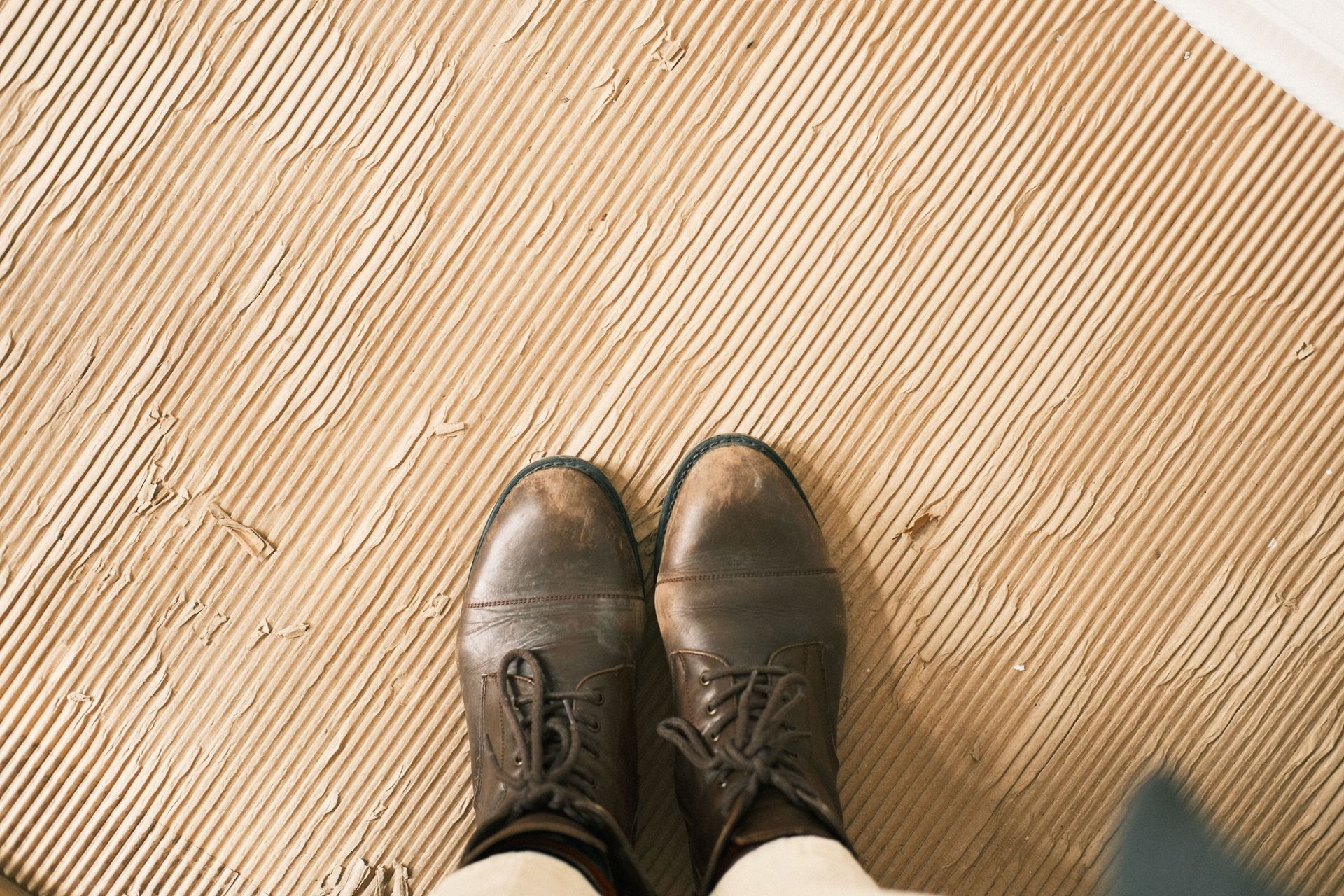
Brown dress shoes standing on a light tan textured floor.

What Happens If You Skip Subfloor Repair?


Skipping subfloor repair can turn a good flooring product into a disappointing finished project.

You may notice:

  • Carpet that feels uneven
  • New flooring that smells bad
  • Wrinkles that show up early
  • Padding that breaks down faster
  • Seams or transitions that do not sit cleanly
  • Soft spots that get worse
  • Tenant complaints in rental properties
  • Early replacement costs

In some cases, skipping prep means paying twice. The new flooring may need to be removed later so the subfloor can be repaired properly. That is why a complete inspection matters before installation.


Carpet Padding Is Important, But It Is Not Structural Repair


Good carpet padding matters. It makes carpet feel better, helps with sound control, improves insulation, and supports the carpet backing. However, padding is not a structural fix.

Do not use thick padding to hide:

  • Soft spots
  • Rotten wood
  • Loose plywood
  • Pet damage
  • Water damage
  • Uneven concrete
  • Floor movement

In most carpet replacement projects, new padding should be installed with the new carpet. Old padding may be compressed, dirty, stained, wet, or holding odor. New stain resistant carpet over old padding can still feel uneven or smell bad if the pad is compromised.


Carpet padding often ranges from about $0.75 to $2.00 or more per square foot, depending on density, material, thickness, and moisture protection.


What Does Subfloor Repair Cost?


Subfloor repair cost depends on the type of damage, room size, access, material, and whether the issue is minor or structural.

Common planning ranges include:

  • Basic subfloor repair: $2 to $7 per square foot
  • Carpet padding: $0.75 to $2.00 or more per square foot
  • Carpet installation: $3 to $12 or more per square foot installed
  • Removal and disposal: $1 to $2.50 per square foot
  • Concrete leveling or patching: varies by depth, square footage, and prep needed

Pet damage treatment, water damage repair, panel replacement, structural repair, and concrete correction can increase the final price. That is why a written estimate is important. If budget timing is a concern, ask about financing options.


Subfloor Repair Before LVP, Laminate, Sheet Vinyl, and Waterproof Flooring


Subfloor repair does not only matter for carpet. It matters for every flooring product.


LVP Installation


LVP needs a flat, stable surface. If the subfloor is uneven, the locking system may gap, click, separate, or move underfoot. Proper prep helps LVP perform better in basements, entryways, rentals, and high-traffic areas.


Laminate Flooring


Laminate flooring can sound hollow or separate if installed over uneven areas. Underlayment helps with sound and support, but it does not fix major subfloor problems.


Sheet Vinyl


Sheet vinyl needs a smooth surface. Bumps, seams, fasteners, debris, and old adhesive can show through. Good prep is essential for a clean finish.


Waterproof Flooring


Waterproof flooring handles spills better than carpet, but it still needs a dry, flat, solid base. Waterproof does not mean installation-proof. Active leaks, soft subfloors, and uneven concrete should be corrected first.


Best Flooring Options After Subfloor Repair


Once the subfloor is stable, you can choose the flooring that fits the room.

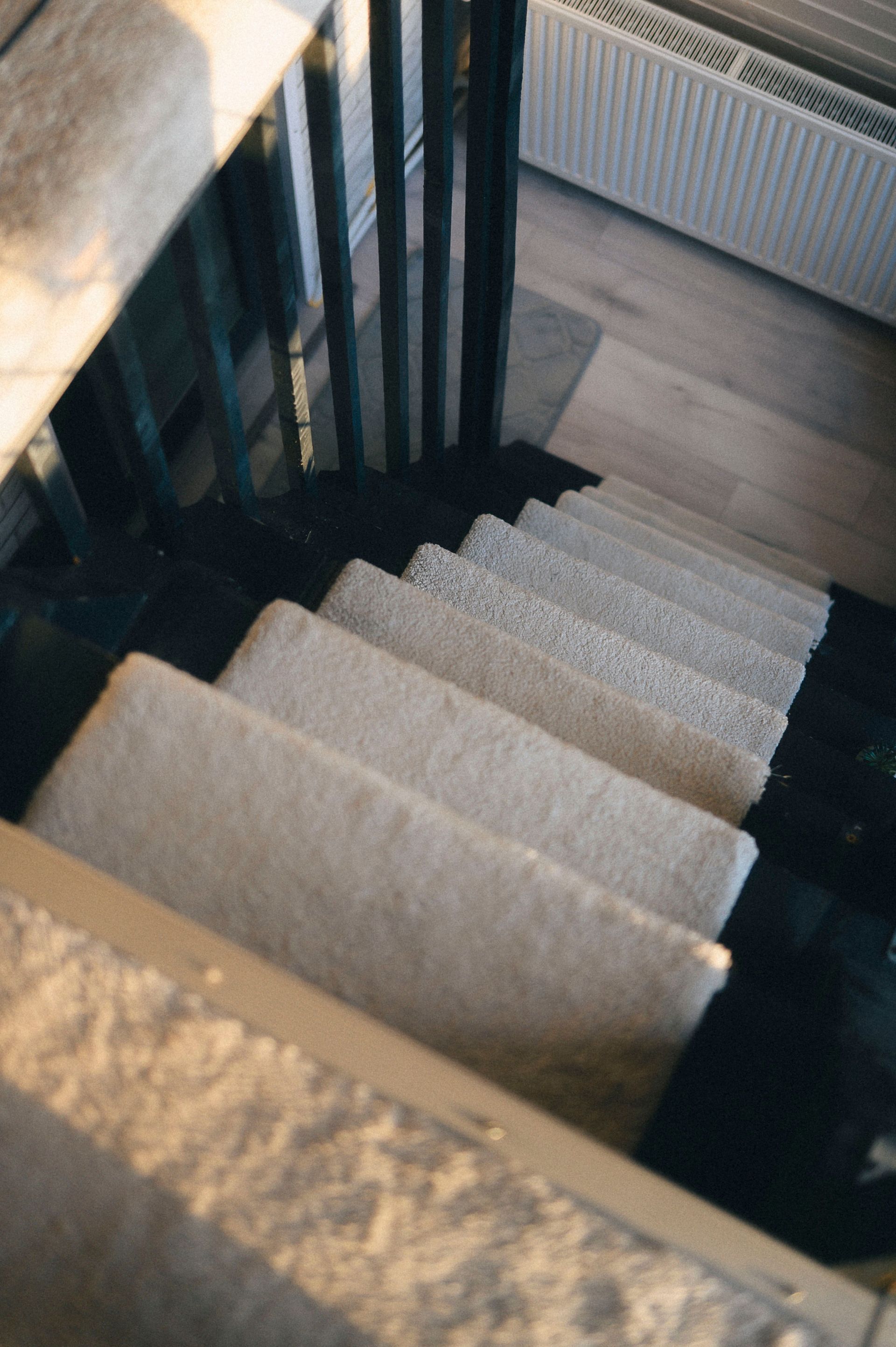
Carpet is best for bedrooms, stairs, family rooms, warmth, comfort, and sound control. Stain resistant carpet can be a strong choice when the subfloor and padding are handled correctly.


LVP is best for pet-heavy homes, rentals, entryways, basements, main living areas, and high-traffic rooms.

Laminate flooring is best for dry bedrooms, offices, living rooms, and wood-look spaces.


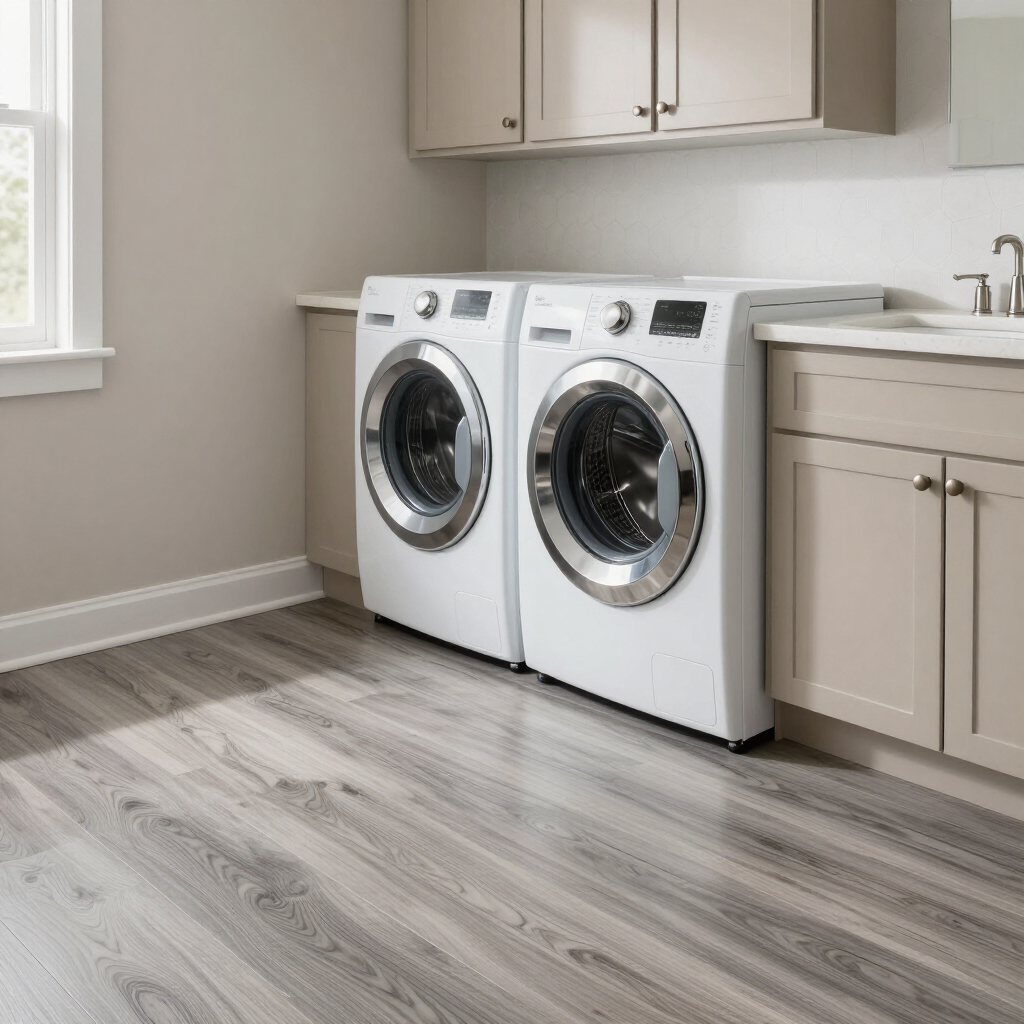
Sheet vinyl and waterproof flooring are best for bathrooms, laundry rooms, utility rooms, kitchens, and moisture-prone areas.


What Property Managers Should Know


For property managers in West Jordan, South Jordan, and Salt Lake County, replacing carpet without inspecting the subfloor can create recurring problems. Pet odor, soft spots, squeaks, and moisture damage can lead to tenant complaints and faster flooring failure.


In many rentals, carpet works well in bedrooms, while LVP or waterproof flooring may be a better choice in main living areas, basements, kitchens, and entryways. The right flooring plan can reduce cleaning issues, limit repeat repairs, and help control turnover costs.


Questions to Ask a Flooring Contractor


Before starting a flooring project, ask:

  • Will you inspect the subfloor before installation?
  • What signs of subfloor damage do you look for?
  • Can you repair pet damaged subfloor?
  • Can you fix soft spots and squeaks?
  • Do you handle concrete leveling?
  • Is subfloor repair included in the estimate?
  • What happens if damage is found after old carpet is removed?
  • Should I choose carpet, LVP, laminate, sheet vinyl, or waterproof flooring for this room?
  • How long will repair and installation take?

A reliable flooring contractor should give direct answers, clear pricing, and practical recommendations.


Final Thoughts


Your new carpet is only as good as the floor underneath it. If the subfloor is soft, uneven, squeaky, damp, or damaged, new carpet may not last the way it should. The same is true for LVP, laminate flooring, sheet vinyl, and waterproof flooring.

Proper subfloor repair protects your flooring investment, improves comfort, reduces odor risk, supports carpet padding, and helps the finished floor perform better over time.

If you are searching for subfloor repair near me, carpet installation, LVP installation, laminate flooring, sheet vinyl, waterproof flooring, or a reliable flooring contractor in West Jordan, South Jordan, or the greater Salt Lake County area, Residential Flooring Solutions is ready to help.

Request a free estimate today and get clear pricing, proper prep, quality materials, and timely installation.

Recent Posts

Modern apartment building with gray and green facades and balconies against a cloudy sky
By Admin June 18, 2026
Learn Utah apartment carpet replacement rules, normal wear vs damage, flooring costs, and when to choose carpet, LVP, or subfloor repair.
Apartment building facade with orange brick and white balconies, featuring rows of windows and gray siding
By Admin June 17, 2026
Choose cheap carpet for apartments without sacrificing durability. Learn costs, tenant-friendly flooring options, and when to choose LVP or subfloor repair.
Brown puppy with a red collar sitting on a light textured floor, looking at the camera.
By Admin June 9, 2026
Choose the best stain resistant carpet for your Utah home. Compare carpet, LVP, waterproof flooring, costs, and installation options.
Blue upholstered sofa corner on a gray patterned carpet.
By Admin June 2, 2026
Find affordable carpet, carpet installation, LVP, waterproof flooring, and subfloor repair from Residential Flooring Solutions in Salt Lake County.
Empty corner of a room with green carpet and white walls.
By Admin June 1, 2026
Learn why carpet padding may need replacement, how it affects comfort and durability, and when to request flooring help in Salt Lake County.
Close-up of a textured surface with sunlight and shadow bands
By Admin May 26, 2026
Learn how to tell if your carpet needs replaced or cleaned, compare costs, spot subfloor issues, and request a free estimate in Salt Lake County.
Two people sitting on a fluffy rug, with a small toy block in the foreground.
By Admin May 20, 2026
Learn about carpet types, carpet installation costs, padding, subfloor repair, LVP flooring installation, waterproof flooring, and how to choose the right flooring for your Utah home.