Best Flooring for Pets in Utah: What Actually Works for Wasatch Front Homes
TL;DR: Quick Answers
What is the best flooring for pets in Utah? SPC-core luxury vinyl plank (LVP) with a wear layer of at least 12–20 mils offers a strong balance of waterproof performance, scratch resistance, and dimensional stability across Utah’s seasonal humidity changes.
Does waterproof LVP get scratched by dog nails? Yes. LVP cores can be waterproof while the surface remains susceptible to scratching. Pet-focused lines with enhanced scratch resistance are available, but no vinyl product is completely scratch-proof.
Is carpet ever a good choice for pets? Yes. Carpet can still work well in bedrooms, upstairs spaces, and homes with senior pets. Modern stain-resistant fibers paired with a moisture-barrier pad handle accidents much better than older products.
What does “waterproof” mean on a flooring label? It typically refers to the core material. Water cannot penetrate the plank itself, but seams, transitions, and perimeter edges can still allow water to reach the subfloor if standing water remains long enough.
How does Utah’s climate affect flooring for pets? Utah’s dry winters and seasonal humidity shifts can stress flooring materials. A dimensionally stable product is especially important in Wasatch Front homes.
How thick should an LVP wear layer be for dogs? For a residential pet household, 12 mils is a sensible minimum. For rentals or especially heavy pet traffic, consider 20 mils or more.
When you research the best flooring for pets in Utah, most national guides never mention snowmelt tracked in from a January hike, static charge in a dry Salt Lake Valley living room, or the evaporative cooler that raises indoor humidity in summer. Utah homes put flooring through a stress test that generic advice does not address, and pets amplify every one of those stress points. If you own a dog, share your home with cats, or manage a rental where tenants have animals, the flooring decision you make now influences whether you are replacing that floor in five years or fifteen.
The short answer is that rigid-core luxury vinyl plank (LVP) with a stone-polymer composite (SPC) core consistently handles pet traffic, moisture exposure, and Wasatch Front climate swings better than any single competing product category. But that answer only tells part of the story. The right choice depends on your pets, your rooms, your subfloor condition, and your budget.
Residential Flooring Solutions is a licensed flooring contractor based in West Jordan and serving Salt Lake County and the greater Wasatch Front. The perspective in this guide reflects how flooring performs during and after installation, not simply how it looks in a showroom catalog.
Why Utah Homes Present Unique Flooring Challenges for Pet Owners
Utah’s climate creates conditions that many homeowners do not anticipate. Along the Wasatch Front, dry winter air and summer evaporative cooling can create meaningful indoor humidity shifts. Wood and wood-based flooring materials absorb and release moisture as humidity changes, which can contribute to seasonal expansion and contraction.
For pet owners, this matters for two reasons. First, flooring that gaps or shifts creates edges and seams where pet hair, dander, and moisture collect. Second, a pet accident that reaches a subfloor through a gap can cause swelling or odor issues that the visible flooring surface never reveals.
Snowmelt adds another layer. If your dog comes in from a February walk with wet paws, that water sits on the flooring until it dries or gets wiped up. A waterproof surface handles that exposure more reliably than a merely water-resistant surface, particularly when moisture reaches seams.
How to Evaluate Flooring for Your Specific Pets
Dogs: Size, Age, and Activity Level Matter
A senior Chihuahua and a two-year-old Labrador place very different demands on a floor. Large, active dogs generate more downward force with each step, and their nails are harder and more abrasive. Even dogs that do not dig can scratch a floor during the sudden bursts of energy every dog owner recognizes AKA "Zoomies".
One of the most common misconceptions is that “waterproof” means “scratch-proof.” It does not. You can reduce visible scratching through product selection and texture choice, but you cannot eliminate it entirely.
For dogs, focus on three product specifications: wear-layer thickness, measured in mils; surface texture, where embossed or textured finishes can conceal scratches better than smooth finishes; and core type, where SPC cores tend to resist dents from pet claws and dropped bowls better than softer WPC cores.
Cats: Claws, Litter, and Hair Management
Cat owners face a different set of flooring decisions. Litter tracking is often the top complaint. Hard surfaces show scattered litter more visibly than carpet, but they also clean up faster. Claw snagging is a real concern with loop-pile or Berber carpets, because cats that knead or scratch can pull loops and create runs that cannot be repaired.
For cats, cut-pile carpet generally performs better than loop-pile in rooms where your cat spends time on the floor. On hard surfaces, litter scatter is unavoidable but manageable with strategic mat placement near the litter box.
Multiple Pets and Mixed Households
Households with multiple pets experience accelerated wear in predictable traffic patterns: the path between food bowls and the water dish, the route to a favorite sleeping spot, and the hallway pets sprint down when the doorbell rings. These zones wear faster than the rest of the floor, and no product eliminates that. Choose products where wear is less visible, and plan area rugs for the highest-impact paths.
Flooring Types Compared for Pet Homes
The following table summarizes how major flooring categories compare for pet households.
| Flooring Type | Water Resistance | Scratch Resistance | Best Rooms for Pets | Key Limitation |
|---|---|---|---|---|
| SPC-Core LVP | Waterproof core | Good to excellent, depending on wear layer | Entryways, kitchens, living areas, basements | Surface scratches are still possible |
| WPC-Core LVP | Waterproof core | Good | Living areas, bedrooms | Softer core can dent more easily |
| Waterproof Laminate | Water-resistant for a limited time | Excellent, with an aluminum-oxide layer | Living areas, dry rooms | Seams can fail with standing water |
| Carpet with stain-resistant fiber | Not waterproof; a moisture-barrier pad helps | Not applicable; conceals wear well | Bedrooms, stairs, upstairs | Can absorb odors and moisture if padding is inadequate |
| Sheet Vinyl | Highly water-resistant | Moderate | Bathrooms, laundry rooms, rentals | Can tear; subfloor must be very smooth |
| Waterproof Flooring Systems (WPC/SPC) | Waterproof core with moisture-management layers | Varies by product | Basements, wet areas, full homes | Requires proper subfloor preparation |
Luxury Vinyl Plank: The Consistent Top Performer
LVP earns its reputation in pet households because the core is genuinely waterproof. Shaw Floors describes its Pet Perfect luxury vinyl as 100% waterproof and 50% more scratch resistant than traditional luxury vinyl through its PawDefense technology. That improvement is meaningful, but note the language: more scratch resistant, not scratch-proof.
Within LVP, you will encounter two main core types. SPC is denser and more dent-resistant, which matters if you have larger dogs or heavy pet bowls. WPC is softer underfoot, quieter, and less cold-feeling, which can matter during Utah winters. Both are durable options for heavy foot traffic and pets, but the choice changes how the floor feels and performs.
Wear-layer thickness gives you the most control over long-term performance. For a residential pet household, 12 mils is a sensible floor. For landlords or property managers outfitting pet-friendly rentals, 20 mils or more provides a stronger starting point for higher traffic and more frequent turnovers.
Carpet: When It Still Makes Sense
Carpet is not dead in pet households, but it requires more deliberate selection. Fiber type matters most. Modern polyester and triexta fibers offer built-in stain resistance because the fiber itself does not absorb moisture in the same way as some other fibers. Solution-dyed nylon remains highly durable and colorfast, making it a strong choice for high-traffic pet zones.
Padding is equally important. A moisture-barrier pad helps prevent pet accidents from soaking through to the subfloor, which can mean the difference between a spot you clean and an odor you battle for years. The Carpet and Rug Institute notes that urine spots discovered after a long time can permanently damage dyes and carpet fibers.
Texture choice also affects pet performance. Low-pile cut carpets resist matting and are easier to vacuum pet hair from than thick friezes. Avoid loop-pile or Berber in homes with cats or dogs that scratch, because a single snagged loop can unravel an entire row. For a deeper overview, see Residential Flooring Solutions’ Types of Carpet guide.
Sheet Vinyl and Waterproof Flooring Systems
Sheet vinyl deserves more credit than it gets. Because it installs in large, continuous sheets with no grout lines or plank edges, there are fewer points where pet moisture can penetrate. Residential Flooring Solutions’ sheet vinyl service page outlines its suitability for kitchens, bathrooms, laundry rooms, and utility spaces.
For basements and below-grade spaces, dedicated waterproof flooring systems that include a moisture barrier are especially important. Concrete slabs can emit moisture vapor even when they appear dry, and that vapor can contribute to adhesive failure and flooring damage over time.
Room-by-Room Flooring Strategy for Pet Homes
Your entryway and mudroom experience the highest concentration of snowmelt, mud, and water in a Utah pet home. These zones benefit from waterproof flooring with high scratch resistance and may warrant a different product from adjacent rooms to handle the abuse.
Main living areas and kitchens are where you balance durability with appearance. Water-bowl placement creates a predictable splash zone, while hard surfaces can amplify pet nail clicking, particularly in homes with vaulted ceilings.
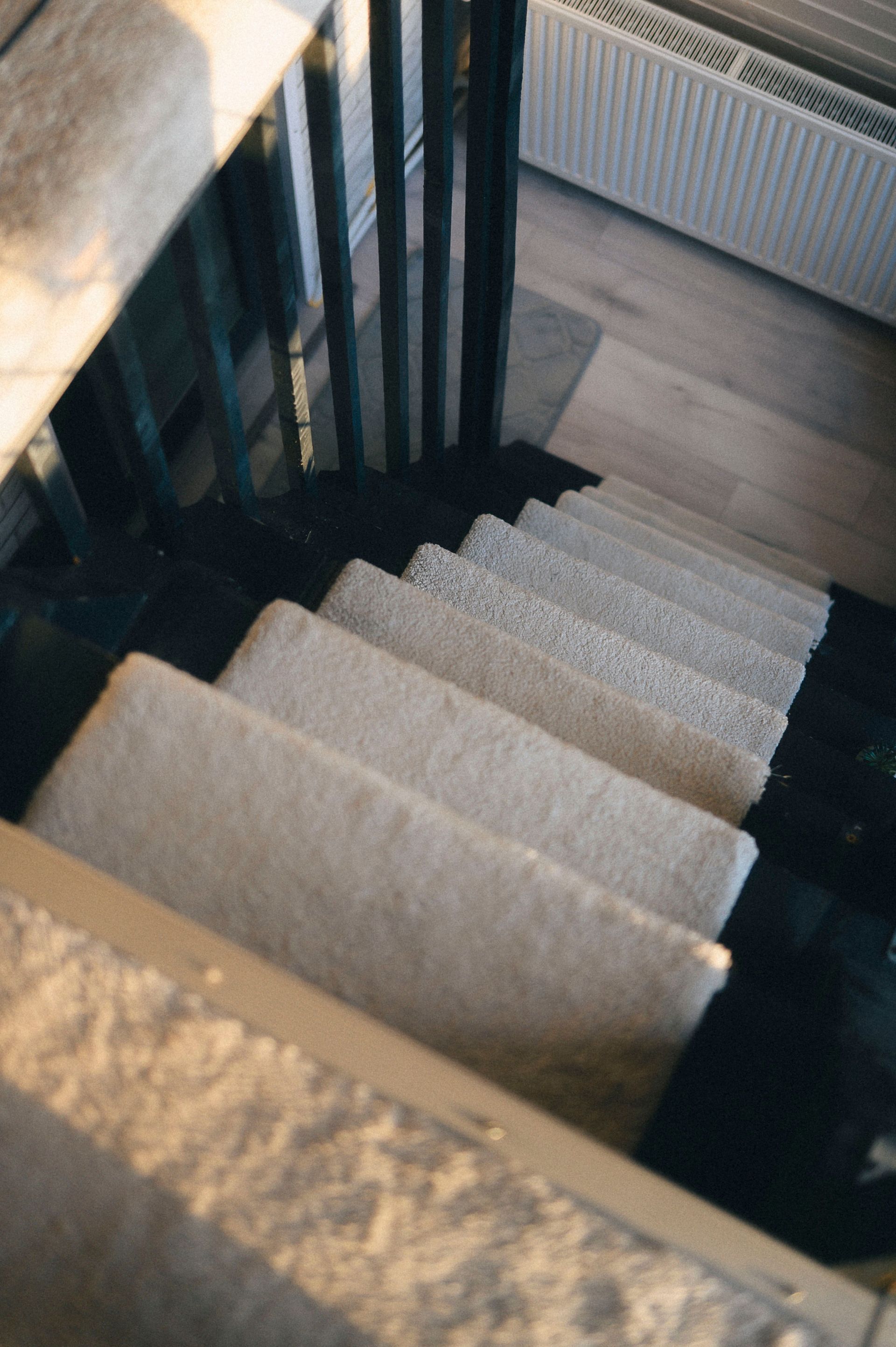
Bedrooms and upstairs spaces are where carpet still earns its place. Warmth, sound absorption between floors, and comfort underfoot matter more here, and modern stain-resistant options with moisture-barrier padding accommodate common pet concerns.
Basements require waterproof flooring with appropriate moisture management. Residential Flooring Solutions’ waterproof flooring page covers WPC and SPC core options that suit below-grade installation.
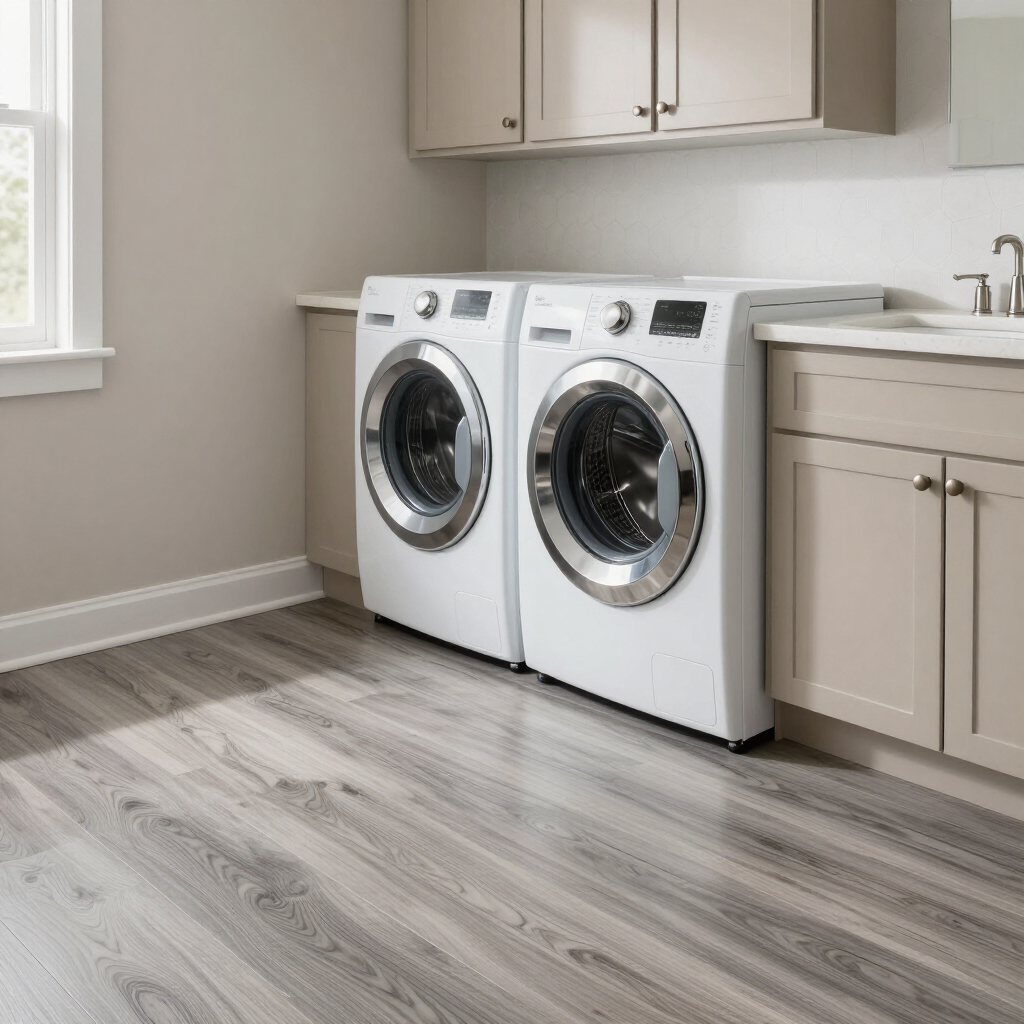
Laundry rooms and utility areas near water heaters or litter boxes benefit from seamless waterproof flooring, where a single sheet can minimize seams.
The Subfloor Factor: What Determines Flooring Success
Here is the truth many flooring guides skip: the subfloor beneath your flooring matters as much as the product you choose. A beautiful, waterproof LVP installed over a subfloor with soft spots, dips, or moisture damage can fail regardless of how much you spend on materials.
Hard-surface flooring reveals subfloor problems that carpet can hide. If your subfloor has dips, raised seams, or movement, LVP planks can separate, sound hollow, or develop gaps at the edges. Pet accidents that occurred under previous flooring may have damaged the subfloor material itself, and installing new flooring over that damage traps the problem.
Concrete slabs and wood subfloors require different preparation. Concrete needs moisture testing and often a moisture barrier before installation. Wood subfloors may need leveling, squeak repair, or panel replacement. Residential Flooring Solutions’ subfloor repair page explains the signs that indicate subfloor work should happen before new flooring goes in.
If you notice soft spots, squeaks, uneven transitions, or areas where the floor moves underfoot, have the subfloor assessed before you invest in new flooring.
Installation Planning for Pet Owners
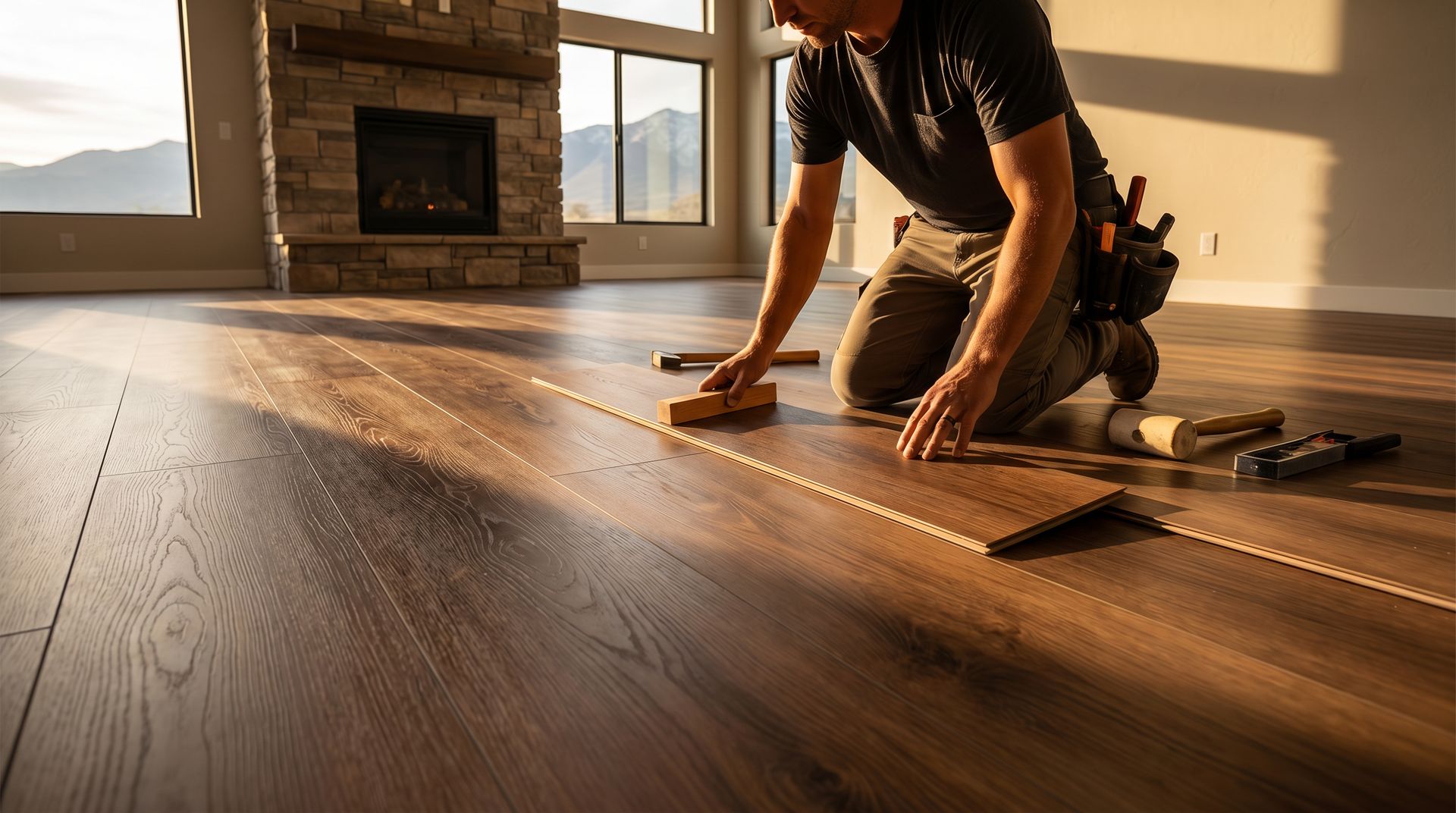
Installation day introduces considerations specific to pet households. Noise from hard-surface installation is louder than carpet installation, and doors will open and close frequently as installers move materials. Most pets should be secured in a separate room or away from the home during active installation.
During a professional estimate, expect the contractor to measure rooms, assess subfloor condition, discuss transitions between flooring types, and ask about your pets and how you use each space. Stairs are typically priced separately from flat areas because they require different installation methods and more labor.
The final walkthrough is your opportunity to inspect transitions, check for gaps at edges, and confirm that the installation matches the agreed scope before signing off.
Cost Factors for Pet-Friendly Flooring
Flooring project costs vary by material category, square footage, floor-layout complexity, stairs, removal of existing flooring, subfloor condition, furniture moving, transitions, moisture mitigation, and installation complexity. The cheapest quote is not always the best value if it excludes subfloor preparation, moisture mitigation, or quality installation practices.
For pet households, calculate on a longer time horizon. A product that costs more upfront but lasts twice as long before replacement can be less expensive over the life of the floor. For landlords, this calculation extends across multiple tenant turnovers.
Residential Flooring Solutions offers free in-home estimates, and its financing and payment-options page explains the flexible payment arrangements available for qualifying projects.
Care and Maintenance for Pet-Friendly Floors
Daily and weekly care differs by flooring type. LVP needs pH-neutral cleaners, and wax-based products should be avoided because they can leave residue. Carpet needs regular vacuuming with attention to pet hair, plus prompt treatment of accidents with an appropriate pet-stain cleaner.
For pet urine on carpet, the Carpet and Rug Institute recommends acting promptly: blot the damp area, treat it as directed, and dry it thoroughly. Delayed discovery can allow staining, fiber damage, delamination, and persistent odor problems to develop.
Signs that your floor may need professional attention include seams opening on vinyl flooring, carpet delaminating from moisture damage, hollow-sounding areas in LVP that can signal subfloor issues, or persistent odors that suggest subfloor contamination. These issues do not resolve on their own, and early attention helps prevent larger problems.
Common Mistakes Pet Owners Make
The most frequent mistakes are choosing flooring based only on appearance, misunderstanding what “waterproof” actually covers, skipping subfloor assessment before installation, using incompatible cleaning products that can void warranties, and comparing quotes without confirming that they include the same preparation and installation scope.
Next Steps for Your Pet-Friendly Flooring Project
The best flooring for pets in Utah depends on matching product specifications to your household. If you have dogs and want hard flooring throughout, an SPC-core LVP with a 12–20 mil wear layer can handle Utah’s climate and pet traffic reliably. If you want carpet in bedrooms, stain-resistant fibers with moisture-barrier padding can extend the floor’s useful life. If you are outfitting a rental, wear-layer thickness and turnover frequency should drive the product choice.
Residential Flooring Solutions offers free in-home estimates throughout Salt Lake County and the greater Wasatch Front from its West Jordan base. Contact the team directly to discuss your rooms, pets, subfloor concerns, and budget, or request an estimate for recommendations specific to your project.
Recent Posts