Carpet Carpet Carpet! Everything You Need to Make Your Decision
TL;DR
- Carpet is still a strong flooring choice when it is used in the right rooms. It works well in bedrooms, stairs, upstairs spaces, offices, and areas where comfort, warmth, and sound control matter.
- Carpet is not the best choice for every room. Entryways, bathrooms, laundry rooms, wet basements, pet-heavy spaces, and high-traffic rental areas may be better suited for LVP, sheet vinyl, or waterproof flooring.
- The best carpet is not chosen by color alone. You should compare fiber, density, twist, pile height, backing, padding, room use, warranty, and installation quality.
- Padding matters. The wrong pad can make carpet wear faster, feel unstable, or affect warranty requirements.
- Subfloor prep matters. Carpet can hide some visual issues, but it will not fix squeaks, soft spots, pet odor, moisture damage, or uneven flooring.
- Carpet can work for pets, kids, and rentals when selected carefully. Low pile, textured, stain-resistant carpet is usually more practical than thick plush carpet in busy spaces.
- LVP is often better for cleaning and moisture resistance. Carpet is better for comfort, warmth, stairs, and noise control.
- The total installed price matters more than the material price. Removal, disposal, padding, stairs, furniture, transitions, and subfloor repair can all affect cost.
- A reliable flooring contractor should help you choose by room. The right answer may be carpet in bedrooms, LVP in living areas, sheet vinyl in laundry rooms, and waterproof flooring in bathrooms or basements.
If you are searching carpet carpet carpet because you are trying to decide what flooring belongs in your home, rental, office, or commercial space in West Jordan, South Jordan, or greater Salt Lake County, you are probably comparing comfort, durability, cost, cleaning, pets, stairs, kids, and long-term value all at the same time. Carpet can still be one of the best flooring choices for bedrooms, stairs, offices, and comfort-focused rooms, but it needs the right fiber, pile height, density, padding, subfloor prep, and professional carpet installation to perform the way it should.
Residential Flooring Solutions helps homeowners and property managers compare carpet installation, LVP and laminate flooring, and subfloor repair before the project begins. That matters because good flooring decisions are not based on one sample. They are based on the room, the traffic, the budget, the surface underneath, and the way the property is actually used.
Is Carpet Still a Good Flooring Choice?
Yes, carpet is still a good flooring choice in the right spaces. It gives you warmth, softness, and sound control that hard flooring does not provide in the same way. For bedrooms, upstairs rooms, stairs, offices, nurseries, and comfort-focused living areas, carpet can make a space feel finished and livable.
Carpet is especially helpful in Utah homes where upstairs sound, winter comfort, and barefoot comfort matter. It can make a bedroom quieter. It can make stairs feel less harsh. It can make a home office feel warmer and more comfortable.
The key is knowing where carpet belongs and where it does not.
Carpet is usually not the right choice for bathrooms, laundry rooms, muddy entryways, damp basements, or areas with frequent spills. In those spaces, LVP, sheet vinyl, or waterproof flooring may be more practical.
What Makes Carpet Durable?
Carpet durability comes from several details working together. The Carpet and Rug Institute explains, “Cut pile achieves its durability through the type of fiber used, density of tufts, and the amount of twist in the yarn.” That is one of the most important carpet buying points because it shows why softness and color are not enough.
When you compare carpet, pay attention to:
- Fiber type
- Density
- Twist
- Pile height
- Face weight
- Backing
- Padding
- Room traffic
- Installation quality
- Maintenance needs
A soft carpet can feel great in a showroom but still be a poor fit for stairs or rental hallways. A denser, lower pile carpet may not feel as plush, but it can often perform better in high-traffic spaces.
Carpet Types You Should Understand
Cut Pile Carpet
Cut pile carpet has yarn tips cut at the surface. It is common in homes because it can feel soft and comfortable. Depending on construction, it can work in bedrooms, living rooms, offices, and family spaces.
For better durability, look at twist, density, and fiber. A tighter twist generally helps cut pile carpet hold its appearance better than a looser twist. The Carpet and Rug Institute notes that tighter twist in cut pile carpet is more durable than looser twist.
Loop Pile Carpet
Loop pile carpet keeps the yarn loops intact. It can be practical for offices, hallways, commercial spaces, and high-traffic rooms. Smaller, tighter loops are usually more practical than large, loose loops in busy areas.
If you have pets, ask about snagging. Some loop carpets can catch claws, especially if pets scratch, dig, or run hard across the floor.
Berber Carpet
Berber carpet is usually a loop-style carpet and often has a flecked look. It can hide soil well and can work in stairs, offices, family rooms, and rental spaces. However, Berber is not automatically high quality. You still need to check fiber, density, loop construction, backing, and installation needs.
Plush Carpet
Plush carpet is soft, smooth, and comfortable. It can be a great fit for primary bedrooms and lower-traffic comfort spaces. The tradeoff is that plush carpet may show footprints, vacuum marks, and traffic patterns more than textured or low pile carpet.
Textured Carpet
Textured carpet is often a practical middle ground. It can feel comfortable while hiding footprints and daily use better than smooth plush carpet. It is a common option for bedrooms, family rooms, kids rooms, and moderate-traffic areas.
Carpet Tile
Carpet tile is common in commercial flooring, offices, home offices, apartment common areas, and property management settings. It can be useful because individual tiles may be replaced if damaged. For commercial spaces, carpet tile can also help with phasing and maintenance.
The Carpet and Rug Institute notes that modular tile installation can be easier and faster than traditional carpet installation in many facilities, especially where furniture and divider panels are involved.
Carpet by Room
Bedrooms
Carpet is one of the strongest flooring choices for bedrooms. It is soft, warm, and quiet. For a primary bedroom, plush or textured carpet may be a good choice. For kids rooms, guest rooms, rental bedrooms, or pet-friendly rooms, low pile or textured carpet may be easier to maintain.
Stairs
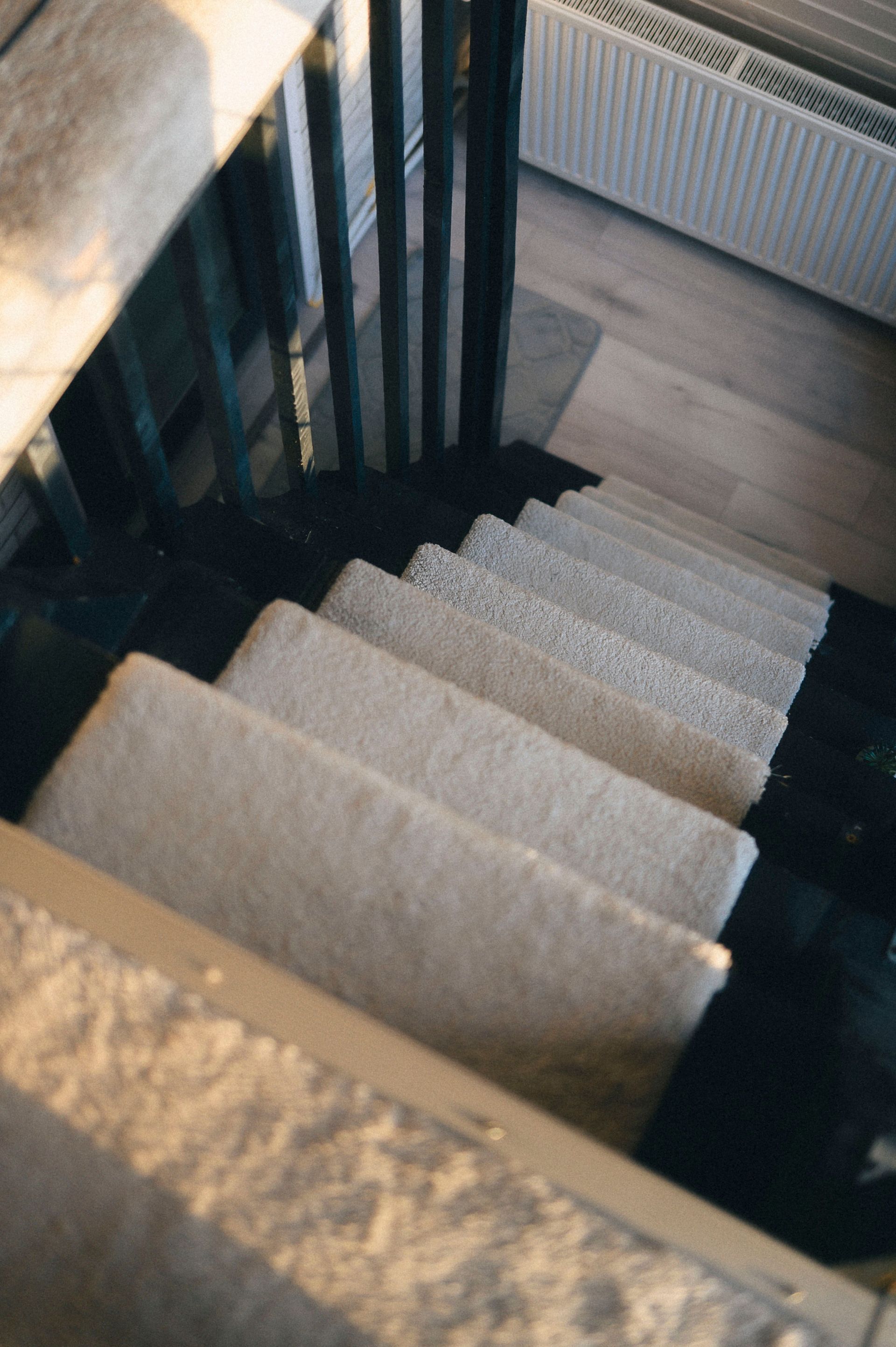
Stairs need durable carpet and professional installation. Dense, low pile carpet with firm padding is often a better choice than thick plush carpet. Stairs take repeated impact on the front edge of each step, so carpet that is too soft or too tall can wear faster.
Carpet can also add grip and reduce noise on stairs. That matters in homes with kids, pets, or upstairs bedrooms.
Living Rooms
Carpet can work in living rooms when comfort and warmth are the priorities. However, if the space has pets, kids, spills, heavy traffic, or rental use, LVP may be the better long-term option.
A good solution is to decide by use. If you want soft comfort, carpet may fit. If you want easier cleanup, LVP may fit better.
Hallways
Hallways need durability. If you choose carpet, use a dense, lower pile or textured carpet that can handle traffic paths. In rental homes or high-use areas, compare LVP before deciding.
Basements
Carpet can work in dry finished basements where comfort and sound control matter. It is not ideal if the basement has moisture concerns, past water problems, pet odor, or a musty smell. In those cases, LVP, sheet vinyl, or waterproof flooring may be safer.
Bathrooms and Laundry Rooms
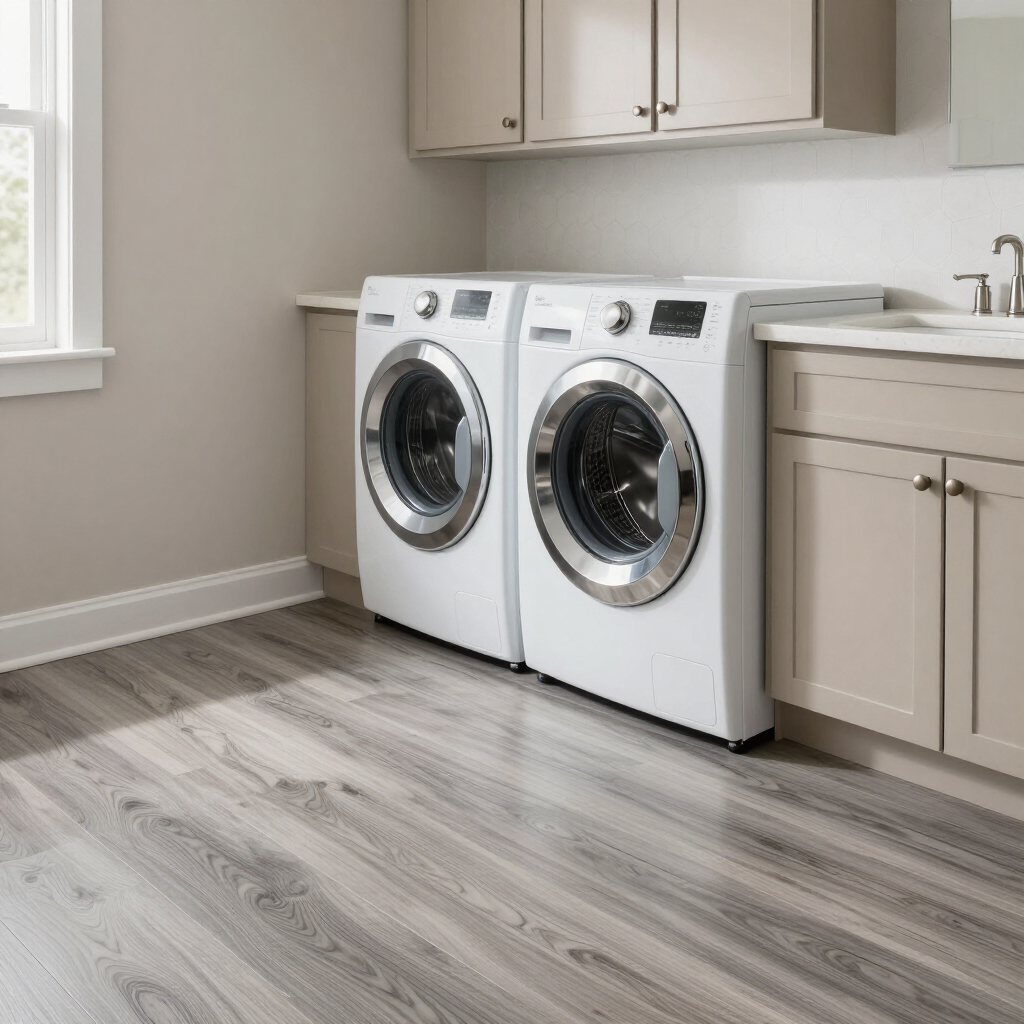
Do not use carpet in bathrooms or laundry rooms. These spaces need flooring that can handle moisture. Sheet vinyl or waterproof flooring is usually the better choice.
Rental Properties
For property managers, carpet works best when used strategically. Use carpet in bedrooms where comfort matters. Use LVP in living rooms, hallways, entryways, and pet-friendly units. Use sheet vinyl or waterproof flooring in wet rooms.
This helps control turnover cost while still giving tenants a clean, comfortable space.
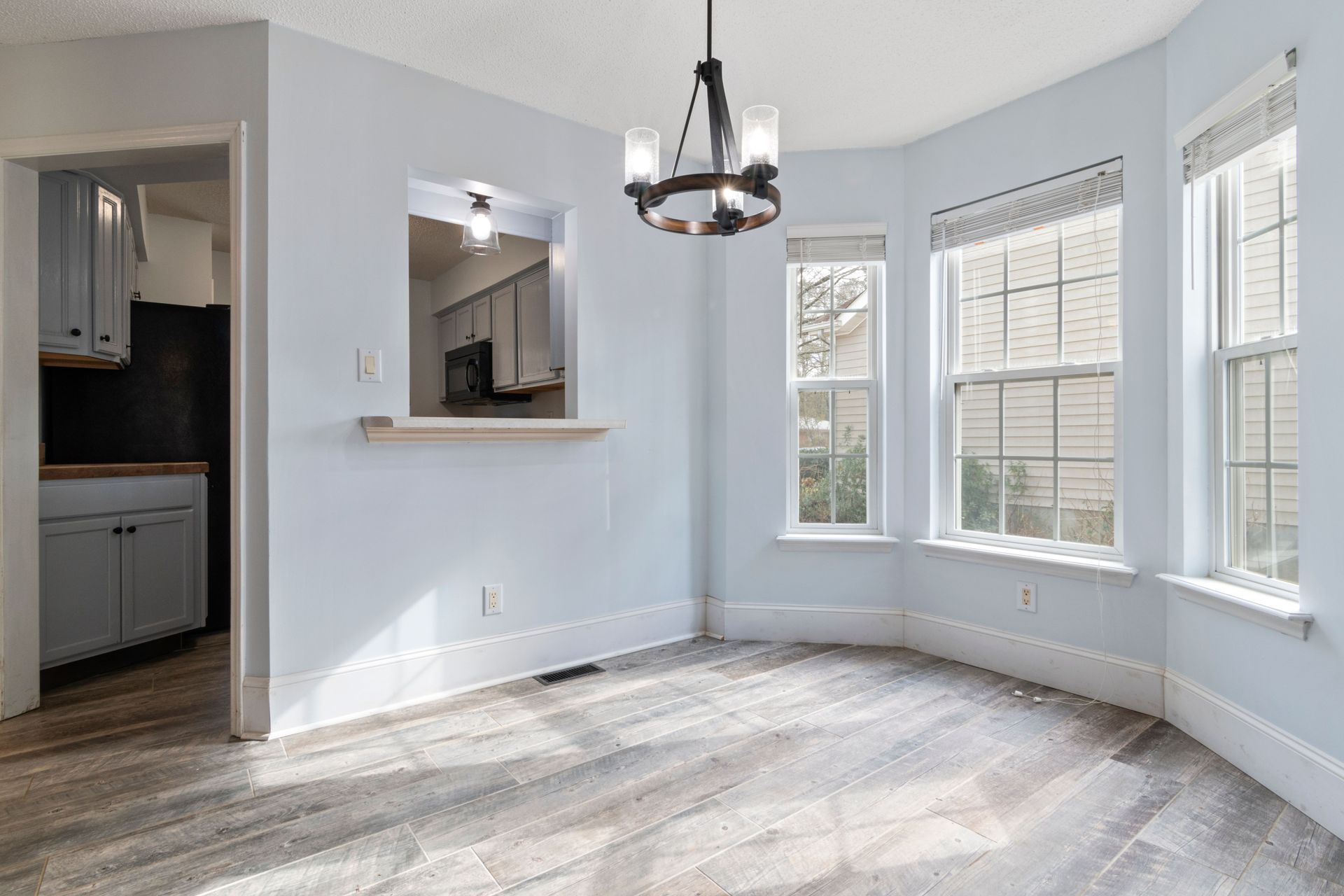
Carpet vs LVP, Laminate, Sheet Vinyl, and Waterproof Flooring
Carpet vs LVP
Carpet is better for comfort, warmth, sound control, and stairs. LVP is better for easy cleaning, moisture resistance, pets, rental turnover, and high-traffic living spaces.
If you are choosing flooring for a West Jordan family home, carpet may make sense in bedrooms and stairs. LVP may make more sense in the living room, hallway, kitchen, or basement.
Carpet vs Laminate Flooring
Carpet is softer and quieter. Laminate flooring gives a wood-look surface in dry rooms and can be easier to clean than carpet. Laminate should be used carefully around moisture, pet accidents, and standing water.
Carpet vs Sheet Vinyl
Sheet vinyl is better for bathrooms, laundry rooms, utility rooms, and budget-focused wet spaces. Carpet is better for dry comfort spaces.
Carpet vs Waterproof Flooring
Waterproof flooring is better for bathrooms, basements, kitchens, laundry rooms, mudrooms, and other moisture-prone areas. Carpet is better for bedrooms, stairs, upstairs rooms, and sound control.
Why Carpet Padding Matters
Carpet padding affects comfort, support, noise control, and carpet life. A cheap or incorrect pad can make carpet feel weak, wear faster, or move too much underfoot.
The Carpet and Rug Institute says the right cushion acts as a shock absorber that can increase comfort and extend carpet durability. It also warns that improper cushion selection may void carpet manufacturer warranties.
That is why you should not treat padding as an afterthought. Stairs, hallways, and family rooms usually need firmer support. Bedrooms may allow more comfort-focused padding, but it still needs to meet product requirements.
Old padding should usually be removed when new carpet is installed. Old pad can be compressed, stained, odorous, uneven, or wrong for the new carpet.
Why Subfloor Repair Matters Before Carpet Installation
Carpet can hide some surface issues, but it does not fix the floor underneath. If the subfloor has squeaks, soft spots, loose panels, pet odor, moisture staining, cracked concrete, or uneven areas, those problems should be addressed before new carpet goes down.
Residential Flooring Solutions often sees this during carpet replacement projects. The carpet may look like the whole problem, but after removal, the real issue may be damaged padding, pet odor in the subfloor, or uneven areas that need repair. Fixing those issues first helps the finished carpet feel better and last longer.
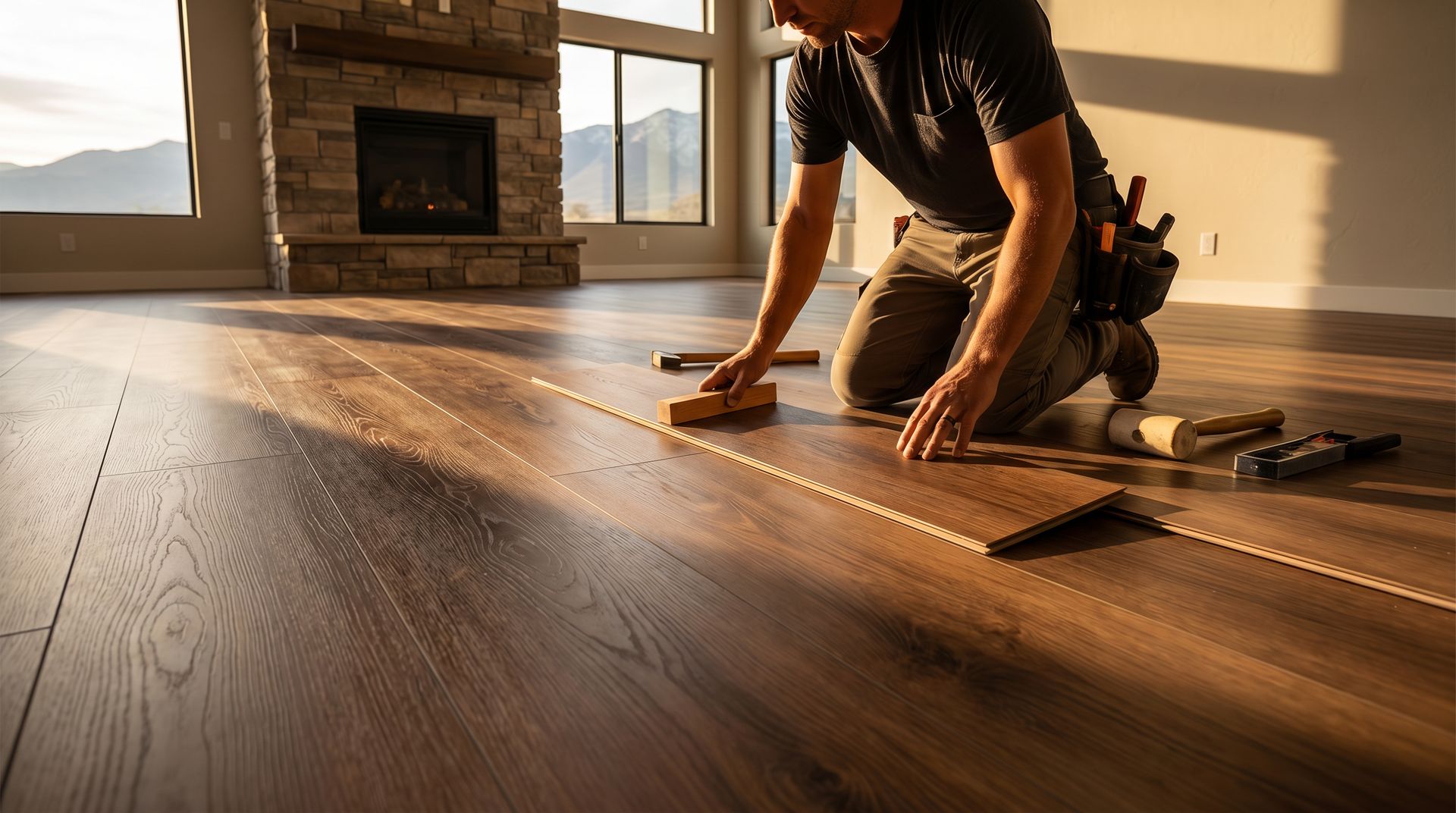
Subfloor prep also matters for LVP, laminate flooring, sheet vinyl, and waterproof flooring. Every finished floor performs better over a clean, dry, flat, stable surface.
What Does Carpet Installation Cost?
Carpet installation cost depends on carpet type, fiber, density, padding, square footage, old flooring removal, disposal, stairs, furniture moving, transitions, door trimming, subfloor repair, and project timeline.
As planning ranges only:
- Budget carpet installed may land around $3 to $5 per square foot
- Mid-range carpet installed may land around $5 to $8 per square foot
- Premium carpet installed may land around $8 to $12 or more per square foot
- Padding is often priced separately
- Carpet removal and disposal may be separate
- Stairs usually add labor
- Subfloor repair depends on the condition of the floor
The important number is the total installed price. A low material price does not mean much if padding, removal, disposal, stairs, transitions, or prep are missing from the estimate.
Common Carpet Buying Mistakes
Choosing Only by Softness
Soft carpet feels good in the store, but it may not be right for stairs, pets, kids, rentals, or hallways. Choose by room use first.
Ignoring Density and Twist
Color and softness are easy to see. Density and twist are what help determine how the carpet performs.
Reusing Old Padding
Old padding may be compressed, stained, or odorous. New carpet over bad padding is not a smart investment.
Installing Carpet Where LVP Belongs
Carpet does not belong in every room. Mud, moisture, spills, and heavy cleaning needs usually point toward LVP, sheet vinyl, or waterproof flooring.
Skipping Subfloor Repair
New carpet over a bad subfloor can still feel uneven, smell bad, or fail early.
Comparing Bids Without Comparing Scope
One estimate may include removal, disposal, padding, transitions, prep, and cleanup. Another may not. Compare what is included, not just the final number.
Questions to Ask Before Buying Carpet
Before you approve a carpet project, ask these questions:
- What carpet type is this?
- What fiber is it?
- What is the pile height?
- What is the density?
- What is the twist?
- Is it cut pile, loop pile, Berber, plush, textured, patterned, or carpet tile?
- Is it good for stairs?
- Is it good for pets?
- Is it good for rentals?
- What pad do you recommend?
- Is padding included?
- Is old carpet removal included?
- Is disposal included?
- Are stairs included?
- Are transitions included?
- Will the subfloor be inspected?
- What happens if subfloor repair is needed?
- Would LVP, laminate flooring, sheet vinyl, or waterproof flooring be better in this room?
A reliable flooring contractor should be willing to answer these clearly. The goal is not just to sell carpet. The goal is to help you choose flooring that fits the room.
How Residential Flooring Solutions Helps You Decide
Residential Flooring Solutions starts with the way each room is used. The team looks at traffic, pets, kids, stairs, moisture, rentals, commercial use, comfort, noise, cleaning, budget, and timeline.
From there, you can compare carpet, LVP, laminate flooring, sheet vinyl, waterproof flooring, and subfloor repair with a clear plan. If carpet is the right fit, you get help choosing the right fiber, pile, density, pad, and installation approach. If another material is better, you get a practical recommendation before money is spent on the wrong floor.
That is how flooring should be chosen. By room. By use. By budget. By prep. By long-term value.
Carpet Carpet Carpet Comes Down to Fit, Prep, and Installation
Carpet is still a strong flooring choice when it is used in the right places. Bedrooms, stairs, offices, upstairs rooms, and comfort-focused areas are often good carpet candidates. LVP, laminate flooring, sheet vinyl, and waterproof flooring may be better in wet, high-traffic, pet-heavy, or rental-heavy spaces.
The best carpet decision comes down to fiber, density, twist, pile height, padding, subfloor prep, installation quality, and total installed cost. Do not choose by color or softness alone.
For carpet installation, carpet replacement, low pile carpet, carpet tile, commercial carpet, LVP installation, laminate flooring, sheet vinyl, waterproof flooring, or subfloor repair in West Jordan, South Jordan, and greater Salt Lake County, request a free estimate from Residential Flooring Solutions.
Get honest pricing, proper prep, quality materials, and timely installation from a local flooring contractor that helps you make the right carpet decision from start to finish.
Recent Posts