Low Pile Carpet | What Are Its Use Cases and Why Should You Use It?

Admin • August 20, 2026

Share this article

  • Low pile carpet is a practical carpet with shorter fibers. It usually feels cleaner, firmer, and more structured than thick plush carpet.
  • Low pile carpet is often a good choice for stairs, hallways, rentals, bedrooms, offices, and commercial spaces. It can handle traffic better than many soft high pile carpets when the fiber, density, pad, and installation are right.
  • Low pile carpet is usually easier to clean. Shorter fibers tend to trap less visible dirt, crumbs, and pet hair than thick carpet.
  • Low pile carpet can be good for pets, but construction matters. A low pile cut carpet can work well. Some loop pile or Berber carpets can snag if pets claw or dig.
  • Low pile carpet is not automatically low quality. A dense low pile carpet can outperform a soft, thick carpet in high-traffic areas.
  • Low pile carpet is not always the best choice. If the room has moisture, mud, frequent spills, or heavy rental turnover, LVP, sheet vinyl, or waterproof flooring may be better.
  • Padding still matters. Stairs, hallways, and busy rooms usually need a thinner, firmer cushion instead of a thick, soft pad.
  • Subfloor prep still matters. Carpet can hide some surface imperfections, but it does not fix squeaks, soft spots, odor, water damage, or uneven subfloor issues.
  • The best flooring choice depends on the room. Use low pile carpet where comfort, sound control, and traffic resistance matter. Use LVP, laminate flooring, sheet vinyl, or waterproof flooring where cleaning and moisture resistance matter more.


If you are comparing low pile carpet for a home, rental, office, staircase, basement, or commercial space in West Jordan, South Jordan, or greater Salt Lake County, you are probably looking for flooring that feels comfortable without being too thick, hard to clean, or quick to mat down. Low pile carpet can be a smart choice for high-traffic areas, stairs, bedrooms, property management spaces, offices, and certain finished basements, but it still needs the right fiber, density, padding, subfloor prep, and professional carpet installation to perform well.


Residential Flooring Solutions helps homeowners and property managers compare carpet installation, LVP and laminate flooring, and subfloor repair before the project starts. That matters because carpet is not just about softness. It is about matching the material to the room, traffic, budget, and long-term maintenance needs.


What Is Low Pile Carpet?


Low pile carpet has shorter fibers than medium pile or high pile carpet. The surface is usually tighter, lower, and more structured. It does not have the deep, fluffy feel of plush or shag-style carpet, but that is part of the benefit.


Because the fibers are shorter, low pile carpet is often easier to vacuum, easier to walk on, and less likely to show deep crushing in busy areas. It can also feel more stable underfoot, especially on stairs and in hallways.


Low pile carpet can include cut pile carpet, loop pile carpet, Berber carpet, patterned carpet, commercial carpet, and carpet tile. The name tells you the pile height, but it does not tell you the whole quality story. You still need to look at fiber, density, twist, backing, padding, and installation.

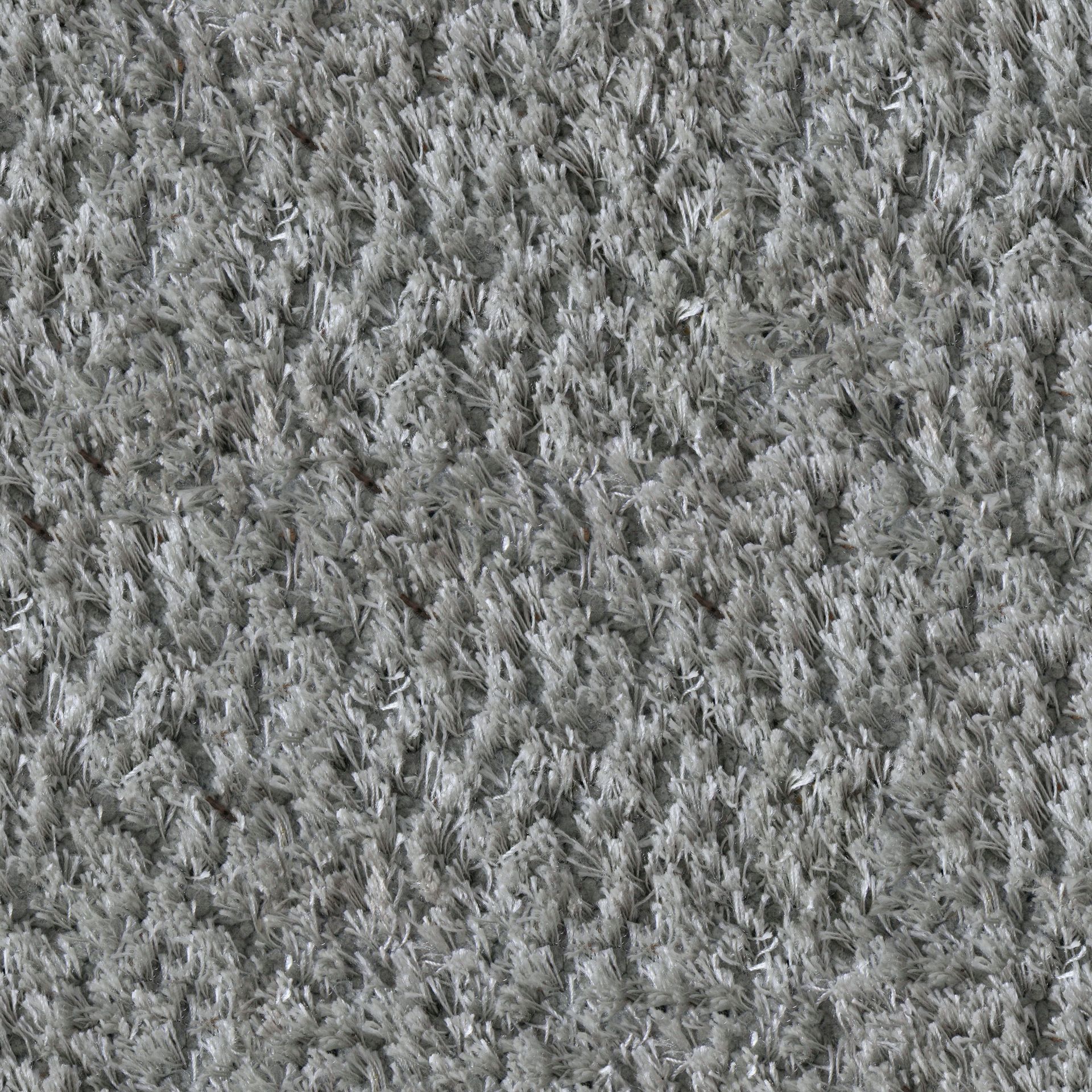
Close-up of gray textured carpet with a dense, shaggy pattern

Low Pile Does Not Mean Low Quality


Some buyers assume thicker carpet is always better. That is not true. Thick carpet can feel soft in a showroom, but it may not be the right product for stairs, rental bedrooms, hallways, or high-use areas.


The Carpet and Rug Institute gives a practical way to think about this: “For a given carpet weight, lower pile height and higher pile yarn density will yield the most performance for the money.”


That is why a dense low pile carpet can be a better investment than a thick carpet with weak construction. You want the carpet to hold up under the way the room is actually used.


Best Use Cases for Low Pile Carpet


Stairs


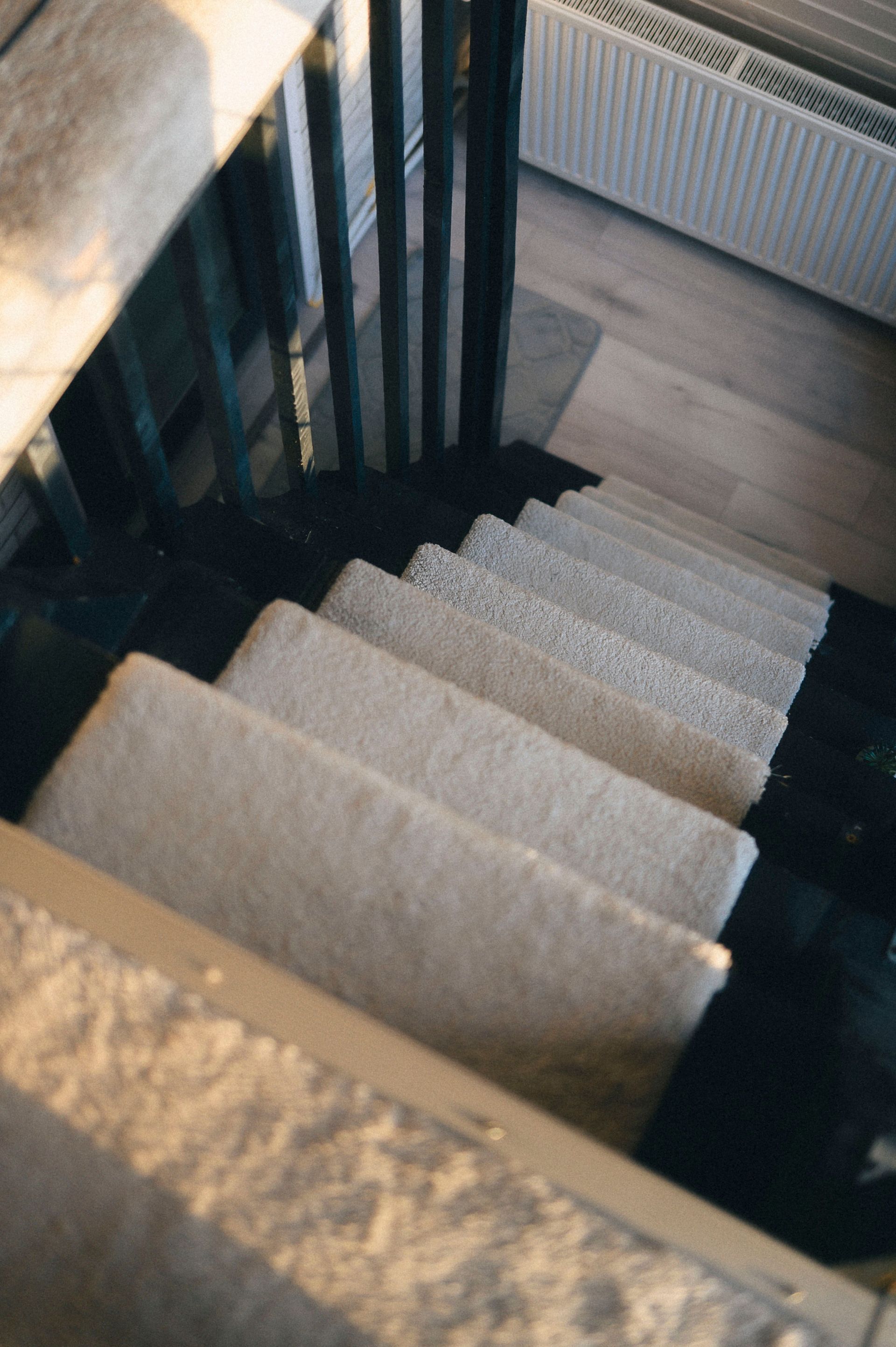
Stairs are one of the best places to use low pile carpet. Thick plush carpet can feel bulky on stair treads and can wear heavily on the nosing where your foot lands. Low pile carpet usually gives a cleaner fit and a more stable surface.


For stairs, you want a dense carpet, proper padding, tight installation, secure fastening, and careful attention to direction. If pets use the stairs, a low pile cut carpet may be safer than some loop styles because loop carpet can snag with claws.


Hallways and Traffic Paths


Hallways take repeated wear in the same walking path. A soft high pile carpet may show matting, tracking, and crushed fibers faster in these areas. Low pile carpet, especially dense low pile carpet, can be a practical solution.


This is useful in Salt Lake County homes where upstairs hallways connect bedrooms, bathrooms, and stairs. It is also useful in rental properties where traffic patterns are predictable.


Bedrooms


Low pile carpet is a good fit for bedrooms when you want comfort without a thick plush feel. It gives the room warmth and sound control, but it can also feel cleaner and easier to maintain.


For kids rooms, guest rooms, rental bedrooms, and pet-friendly bedrooms, low pile carpet can be a smart balance between comfort and durability. If the goal is maximum softness in a low-traffic primary bedroom, a plusher carpet may be worth comparing, but low pile still deserves consideration.


Rental Properties


Property managers often need flooring that looks good, cleans well, and controls replacement costs. Low pile carpet can work well in rental bedrooms and some office areas because it is easier to vacuum and less likely to feel overly delicate.


However, carpet should not go everywhere just because it is affordable. In living rooms, entryways, pet-heavy rentals, and high-turnover areas, LVP installation may be better. A practical rental flooring plan may use low pile carpet in bedrooms, LVP in living areas, sheet vinyl in laundry rooms, and waterproof flooring in bathrooms or basements.


Offices and Commercial Spaces


Commercial carpet is often low pile because it needs to handle foot traffic, rolling chairs, cleaning, and a professional appearance. Carpet tile is especially common in offices because individual tiles can often be replaced if stained or damaged.


Low pile commercial carpet can help with sound control while still giving a clean, business-ready look. For spaces with heavy spills, carts, or frequent cleaning, LVP or sheet vinyl may be the better choice.


Dry Finished Basements


Low pile carpet can work in a dry finished basement where comfort and sound control matter. It can make a basement family room feel warmer and more finished.


Moisture is the key issue. If the basement has a history of water intrusion, dampness, musty smell, pet accidents, or concrete moisture concerns, carpet may not be the safest choice. In those cases, LVP, sheet vinyl, or waterproof flooring should be considered first.


Low Pile Carpet and Pets


Low pile carpet can be a good option for homes with pets because it is usually easier to vacuum. Pet hair is less likely to settle deep into thick fibers, and cleaning is usually more manageable.


The construction matters. A low pile cut carpet can reduce snagging risk. Some loop pile carpets, including certain Berber styles, can catch claws if pets scratch, dig, or run aggressively. If you have dogs or cats, tell your flooring contractor before choosing the carpet.


Pet stains are another concern. Stain-resistant carpet and moisture-aware padding can help, but they do not make carpet waterproof. If pet accidents are frequent, LVP or waterproof flooring may be the more practical long-term choice.

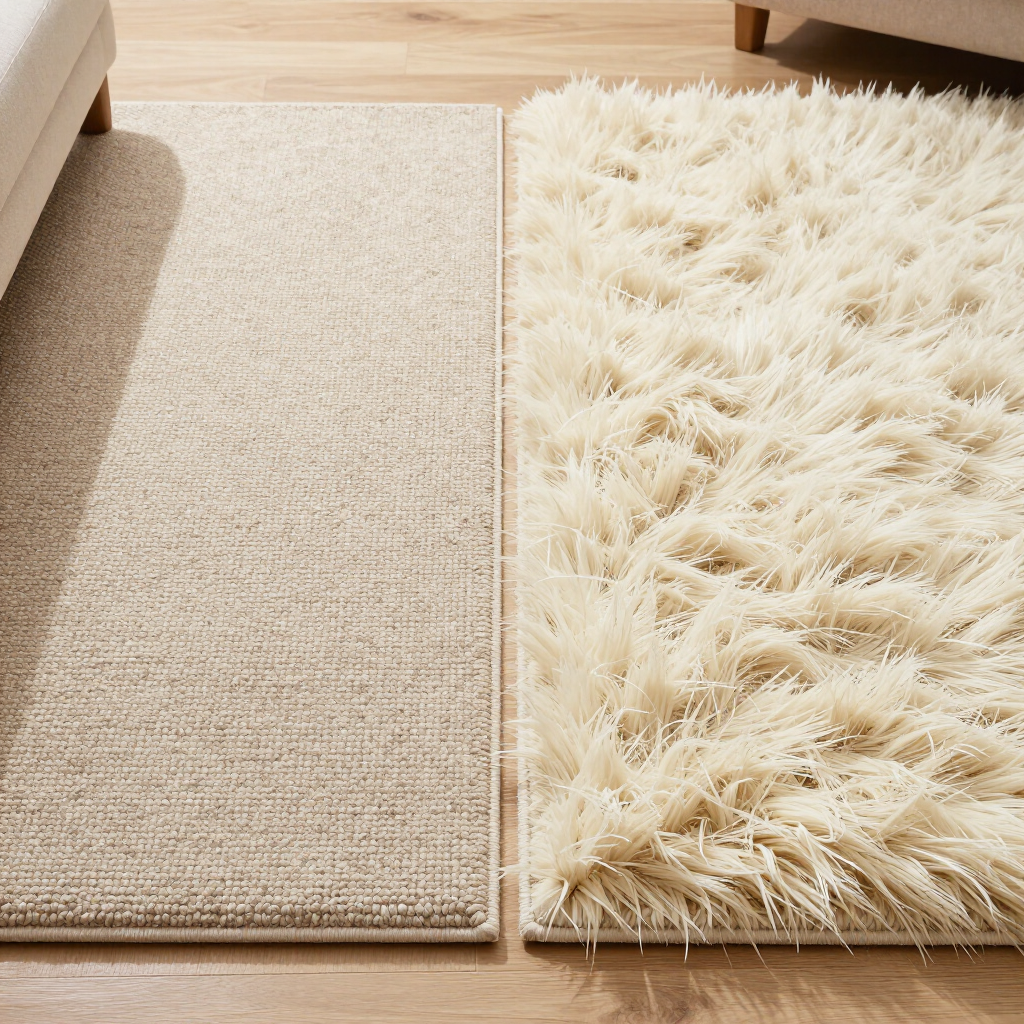
Two side-by-side beige rugs, one flat woven and one shaggy, on a light floor.

Low Pile Carpet vs High Pile Carpet


Durability


Low pile carpet usually performs better in high-traffic areas because the shorter fibers are less likely to crush dramatically. High pile carpet may feel softer but can show footprints, wear paths, and matting faster.


CRI also notes that shorter pile heights perform better in heavy traffic areas such as entryways, stairs, halls, and playrooms, and that a pile height of 1/2 inch or less can be more durable in those spaces.


Cleaning


Low pile carpet is usually easier to clean. Vacuuming is more effective because debris does not settle as deeply into the carpet. This is one reason low pile carpet is common in offices, rentals, stairs, and busy homes.


Comfort


High pile carpet usually feels softer and more luxurious. Low pile carpet usually feels firmer and more tailored. Good padding can improve comfort, but the pad must match the carpet and the room. A pad that is too thick or too soft can hurt performance in busy areas.


Appearance


Low pile carpet often gives a cleaner, more modern look. It can work well with contemporary homes, rental properties, offices, and spaces where you want a tidy surface without a deep plush texture.


Low Pile Carpet vs LVP, Laminate, Sheet Vinyl, and Waterproof Flooring


Low pile carpet is best when you want comfort, warmth, quiet, and a safer-feeling surface on stairs. It is a strong option for bedrooms, offices, stairs, and dry comfort spaces.


LVP is usually better when easy cleaning, water resistance, and durability matter more. For entryways, living rooms, rental properties, pet-heavy areas, and basements with moisture concerns, LVP installation may provide better long-term value.


Laminate flooring can be a good option in dry rooms where you want a wood-look surface at a practical price. It is not usually the first choice for wet rooms or spaces with frequent spills.


Sheet vinyl is practical for bathrooms, laundry rooms, utility rooms, and budget-conscious wet areas. Waterproof flooring is better for bathrooms, basements, kitchens, laundry rooms, and mudrooms.


The best flooring plan may combine materials. Low pile carpet can go in bedrooms and stairs. LVP can go in living rooms and hallways. Sheet vinyl can go in laundry rooms. Waterproof flooring can go in bathrooms and basements. The right answer depends on the room.


Padding and Subfloor Prep Matter


Low pile carpet still needs the right padding. In high-traffic areas like stairs, hallways, and family rooms, thinner and firmer cushion is usually better. CRI states that living rooms, family rooms, hallways, stairs, and other heavy-traffic areas require thinner, firmer cushion, and also notes that improper cushion selection may affect manufacturer warranties.


Subfloor prep matters too. Carpet can hide some visual imperfections, but it does not fix problems below the surface. Squeaks, soft spots, pet odor, moisture staining, uneven panels, concrete cracks, loose tack strip, and old adhesive should be handled before new carpet is installed.


Residential Flooring Solutions often sees this during carpet replacement projects. The old carpet may look like the problem, but once it is removed, the real issue may be damaged padding, pet odor in the subfloor, or uneven areas that need repair. Addressing those issues first helps the new carpet perform better.


What Does Low Pile Carpet Cost?


Low pile carpet installation cost depends on the carpet, padding, square footage, removal, disposal, stairs, transitions, furniture, and subfloor condition.


As a planning range, carpet installation often falls around $3 to $11 per square foot, while carpet removal may add cost depending on the project scope. These are not final prices because every job is different. Stairs, occupied homes, furniture moving, old flooring removal, disposal, and subfloor repair can all change the final number.


The most important thing is to compare full installed cost, not just material cost. A cheap low pile carpet may not be the best value if it has weak density, poor padding, or missing prep. A better carpet with proper installation may last longer and cost less over time.


Questions to Ask Before Choosing Low Pile Carpet


Ask what type of low pile carpet you are looking at. Is it cut pile, loop pile, Berber, patterned carpet, commercial carpet, or carpet tile? Ask about fiber, density, face weight, twist, backing, warranty, and whether it is rated for stairs, pets, rentals, or commercial use.


Ask what padding is recommended. Ask whether removal and disposal are included. Ask whether stairs, transitions, door trimming, furniture moving, and cleanup are included. Ask whether the subfloor will be inspected before installation.


Most importantly, ask whether low pile carpet is truly the best flooring for that room. A reliable flooring contractor should be willing to tell you when LVP, laminate flooring, sheet vinyl, or waterproof flooring is the better option.


Low Pile Carpet Is Practical When the Room Calls for It


Low pile carpet is not just a budget option. It is a practical flooring choice for stairs, hallways, bedrooms, rentals, offices, commercial spaces, and dry finished basements. It can be easier to clean, better for traffic, and more structured than high pile carpet.


The right low pile carpet should be chosen by fiber, density, twist, backing, padding, and room use. It should also be installed over a clean, dry, stable subfloor. If the room has moisture, heavy spills, pet accidents, or constant rental turnover, LVP, sheet vinyl, or waterproof flooring may be a better fit.


For low pile carpet installation, carpet replacement, carpet installation, LVP installation, laminate flooring, sheet vinyl, waterproof flooring, commercial flooring, or subfloor repair in West Jordan, South Jordan, and greater Salt Lake County, request a free estimate from Residential Flooring Solutions.


Get honest pricing, proper prep, quality materials, and timely installation from a local flooring contractor that helps you choose the right flooring for the way your property is actually used.


Recent Posts

Rows of colorful patterned ceramic cups displayed against ornate mosaic tilework.
By Admin August 24, 2026
Compare carpet, LVP, laminate, sheet vinyl, and waterproof flooring to choose the right material, prep, and installation for your Utah home.
Modern open-plan office with cubicles, desks, and bright ceiling lights
By Admin August 13, 2026
Learn what business owners should expect from commercial carpet contractors, including carpet tile, LVP, prep, pricing, downtime, and installation planning.
Modern open-plan living room and kitchen with black marble island, shelving, and warm wood accents.
By Admin August 11, 2026
Choose the best flooring for your home aesthetic. Compare carpet, LVP, laminate, sheet vinyl, waterproof flooring, and prep for Utah homes.
Wooden letter tiles spelling “SUMMER SALE” on a tan lattice background
By Admin August 5, 2026
Learn why carpet stores put carpet on sale, what costs to watch for, and how to compare carpet, LVP, padding, and installation value.
Low-angle view of a hotel room with a bed, chair, and sunlit window over a patterned carpet.
By Admin August 4, 2026
Learn carpet basics, how different carpet types are made, and how fiber, pile, padding, subfloor prep, and installation affect durability.
Carpeted living room with staircase, gray sofa, TV, and wood-trimmed windows and door.
By Admin July 29, 2026
Learn what a good carpet density is, why it matters, and how carpet, padding, LVP, and subfloor prep affect flooring performance.
Two people cut a woven rug from the floor with blue-handled scissors, showing damaged flooring underneath
By Admin July 29, 2026
Learn what goes under carpet, why padding and underlayment matter, how subfloor prep affects carpet life, and when LVP or waterproof flooring may be better.
Modern office lounge with orange ottomans, patterned carpet, and glass walls
By Admin July 23, 2026
Learn whether DIY carpet installation is worth it, what tools you need, what can go wrong, and when to hire a professional flooring contractor.
Person installing hardwood floor with a measuring tape in a room
By Admin July 23, 2026
Compare Utah carpet stores and installers using Reddit and review insights. Learn what to avoid and why Residential Flooring Solutions stands out.
Small white and brown dog seen from behind on a gray paved path
By Admin July 17, 2026
Learn how long carpet should last, when to replace it, and when LVP, laminate, sheet vinyl, or subfloor repair may be the better choice.
Show More